The Chagos Islands Deal: A Pragmatic Resolution Amid Political Backlash

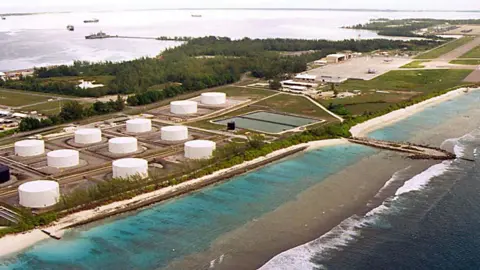
In 2019, the International Court of Justice (ICJ) ruled that Britain’s continued occupation of the islands was illegal and that sovereignty should be transferred to Mauritius. The United Nations General Assembly (UNGA) reinforced this ruling, urging the UK to cede control. However, successive British governments refused, citing strategic security interests.

Prime Minister Starmer’s agreement to transfer sovereignty while securing a 99-year lease for the military base is a long-overdue response to international legal obligations

Read MoreThe Chagos Islands Deal: A Pragmatic Resolution Amid Political Backlash

Zelenskyy’s Dilemma: A Choice Between Trump’s Strategy and Europe’s Unrealistic Expectations

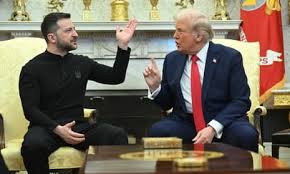
From the beginning of Russia’s invasion of Ukraine, Europe has been unwavering in its support for Ukraine, but that support has always come with conditions. European leaders, particularly French President Emmanuel Macron and European Commission President Ursula von der Leyen, have maintained that the war must end on terms that force Russia into retreat. Their insistence on Putin’s capitulation is not just about Ukraine—it’s about the long-term security of Europe.

Read MoreZelenskyy’s Dilemma: A Choice Between Trump’s Strategy and Europe’s Unrealistic Expectations

China’s Competitive Strategy and Why It’s Difficult to Contain

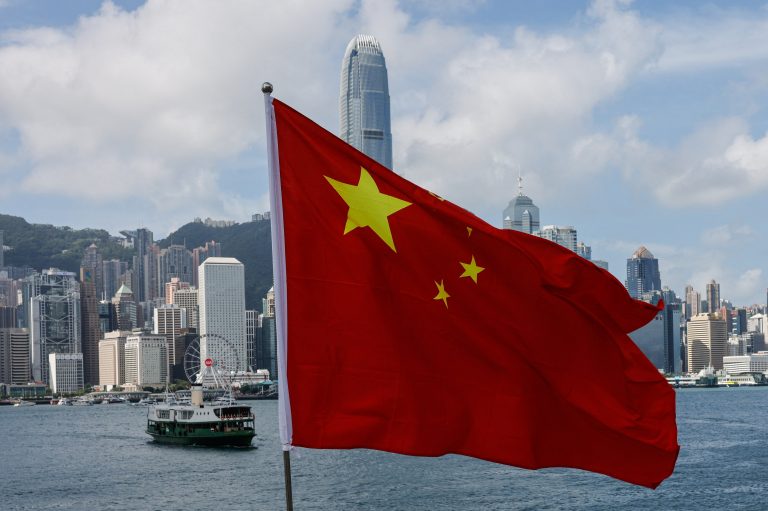
Western countries, particularly the United States, have attempted to counter China through trade wars, technology restrictions, and strategic alliances, yet these measures have largely failed. Instead, China has continued to expand its influence across critical industries, finance, and international infrastructure. The reason for this resilience lies in how China has structured its economic and geopolitical strategy.

Read MoreChina’s Competitive Strategy and Why It’s Difficult to Contain

Can Europe Defend Itself Without America?

The notion of a self-sufficient European defense raises significant strategic, political, and economic concerns. While European nations possess advanced militaries, robust economies, and a sophisticated defense industry, their ability to deter major threats—particularly from Russia—remains uncertain. This article examines the current state of European defense, its historical reliance on the U.S., and the critical steps the continent would need to take to achieve true strategic autonomy.

Read MoreCan Europe Defend Itself Without America?

Can Europe Survive Trump 2.0?

A defining feature of Trump’s presidency has been his protectionist economic stance. He has repeatedly criticized European trade practices, branding them as unfair to American manufacturers and threatening reciprocal tariffs on industries such as automotive and agriculture.

Read MoreCan Europe Survive Trump 2.0?