A brief analysis of Labour’s first year in government – A story of economic struggle and foreign policy success

Labour’s first year in government has been defined by economic strain at home and diplomatic gains abroad. While foreign policy successes with the US and EU have strengthened the UK’s global standing, domestic frustrations dominate public sentiment. Rising unemployment, stubborn inflation, and controversial social policies have eroded trust, leaving Labour squeezed between Reform on

Read MoreA brief analysis of Labour’s first year in government – A story of economic struggle and foreign policy success

South Africa, the G20, and the Limits of Host-Nation Power: A Geopolitical Analysis

South Africa’s G20 membership is not America’s to revoke, but Trump’s attempt to bar Pretoria from the summit exposes a deeper crisis in global governance. It signals a sharp downturn in U.S.–South Africa relations, threatens the credibility of the G20, and risks pushing emerging economies closer together against unilateralism. By standing firm, South Africa defends not only its place at the table but the principle that multilateral forums cannot be controlled by any single host.

Read MoreSouth Africa, the G20, and the Limits of Host-Nation Power: A Geopolitical Analysis

Economic Policy Variation in Latin America

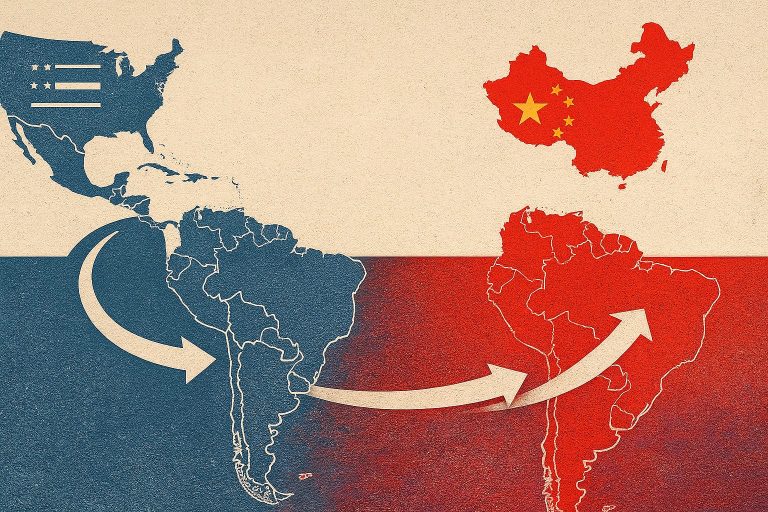
Latin America’s economic landscape is shifting as countries balance slow growth with rising geopolitical pressures. Diversified trade—especially deeper ties with China—and selective nearshoring are reshaping regional dynamics. While open-market economies like Chile and Colombia expand global access, protectionist players such as Brazil and Argentina prioritise shielding domestic industries. Despite strong potential, the region faces fiscal strain, low productivity, and infrastructure deficits. Long-term growth hinges on structural reforms and fiscal consolidation to strengthen resilience in a volatile global market.

Read MoreEconomic Policy Variation in Latin America

The Missing Middle: The Structural Financing Gap That Keeps SMEs Small

Small and medium-sized enterprises (SMEs) drive over 90% of African businesses and are vital to employment, innovation, and industrialisation. Yet many remain trapped in the “missing middle”—too large for microfinance but too small or informal for bank loans or venture capital. This structural financing gap limits their ability to expand, modernise, or join regional value chains. Without growth capital, SMEs operate below potential, reinforcing inequality and slowing Africa’s broader economic transformation and competitiveness.

Read MoreThe Missing Middle: The Structural Financing Gap That Keeps SMEs Small

A Generation in Flux: Youth, Migration and the New Political Contract

Africa’s post-independence promise to its youth—dignity, work, and belonging,has eroded. Today, with a median age under 20, most young Africans face exclusion from jobs and politics, while leaders remain decades older. Migration has become a silent protest, reflecting disillusionment with stagnant governance. Youth no longer seek token inclusion but credible participation and reform. Unless governments rebuild trust through opportunity and accountability, Africa’s brightest generation will keep voting with their feet—reshaping politics, economies, and the continent’s future from afar.

Read MoreA Generation in Flux: Youth, Migration and the New Political Contract

Aspiration or Implementation: Friction and the AfCFTA’s Great Experiment

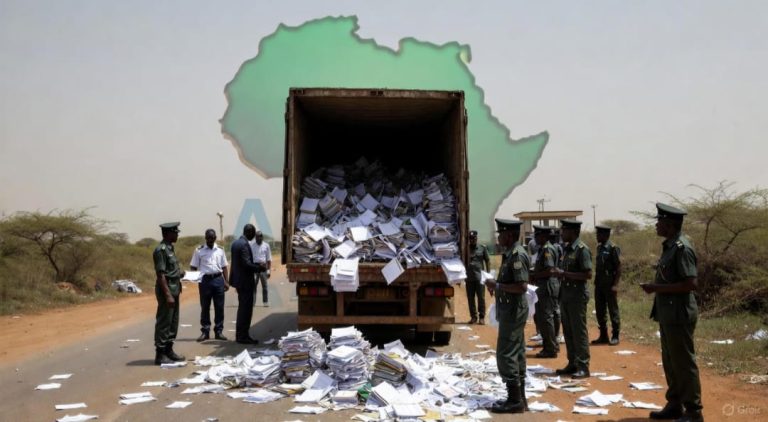
A shipment from Accra to Lagos should take a day but often takes four—stalled by paperwork, checkpoints, and unofficial fees. This reflects the persistent barriers undermining the African Continental Free Trade Area (AfCFTA). Launched in 2021 to create a seamless African market, AfCFTA promised lower tariffs, unified trade rules, and continental growth. Yet, nearly four years later, non-tariff barriers, weak infrastructure, and fragmented regulations continue to slow progress. Vision remains high, but real implementation lags behind ambition.

Read MoreAspiration or Implementation: Friction and the AfCFTA’s Great Experiment