Timely analysis and commentary drawn from the intelligence work of the Global Policy Intelligence Unit (GPIU).

Where lawmaking meets global foresight—Strategic Dispatch explores bills, reforms, and policy shifts shaping tomorrow’s power balances, economies, and institutions.

Hormuz Control Conflict: When System Warfare Replaces Deterrence

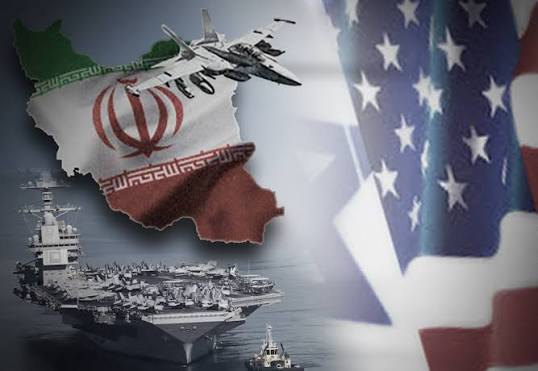
Hormuz has shifted from deterrence to system warfare, where control of perception, risk, and flow now outweighs kinetic dominance. The U.S. is enforcing maritime order, while Iran exploits asymmetric disruption to raise systemic cost. Neither can fully control the corridor—only degrade or shape it. The result is a fragile equilibrium defined by volatility, insurance pressure, and alliance strain, where the decisive question is no longer military victory, but who sets the conditions under which global trade continues.

Read MoreHormuz Control Conflict: When System Warfare Replaces Deterrence

Impact of the 2026 Iran Conflict on Global Oil Markets

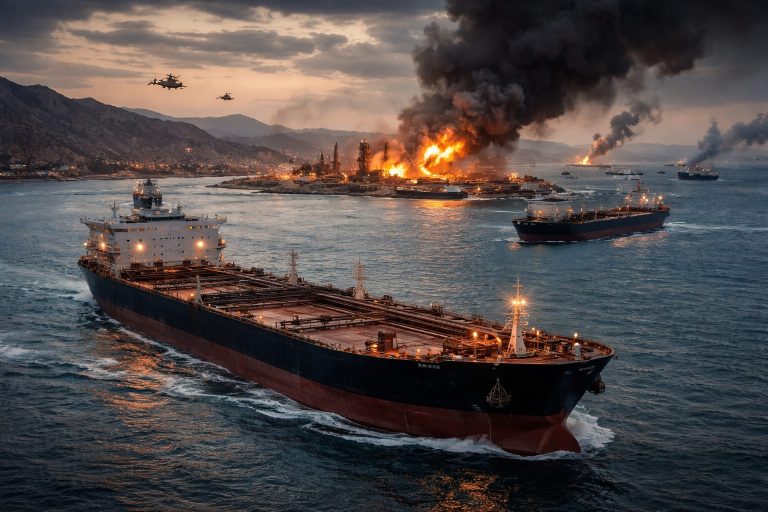
The 2026 Iran conflict has triggered severe volatility in global oil markets, driven largely by the closure of the Strait of Hormuz, a key artery for nearly 20% of global oil supply. Prices have surged above $100 per barrel, disrupting trade, transportation, and economic stability worldwide. Import-dependent regions, particularly in Asia and Europe, face acute shortages, while emergency reserves and energy transitions offer only partial relief amid ongoing geopolitical uncertainty.

Read MoreImpact of the 2026 Iran Conflict on Global Oil Markets

China’s Domination in Green Technology

China has emerged as the dominant force in global green technology, investing $625 billion in clean energy in 2024 and producing the vast majority of the world’s solar modules and wind turbines. With companies like BYD leading the electric vehicle market, the sector now drives over 11% of China’s GDP. Despite this progress, heavy coal reliance sustains high emissions. China’s scale and affordability in clean tech are reshaping global energy systems and accelerating electrification, particularly across emerging economies.

Read MoreChina’s Domination in Green Technology

The Iran Strike: Regional Conflagration and Global Strategic Implications

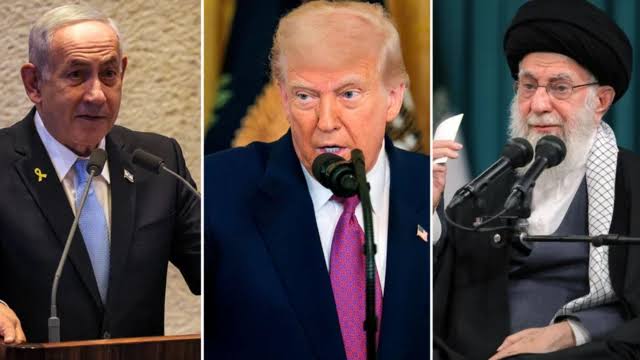
The U.S.–Israel strikes on Iran represent now a decisive shift in regional security dynamics. By targeting strategic military infrastructure, the attacks have elevated the Gulf from a zone of tension to an active theatre of risk. Iran’s capacity for asymmetric retaliation through maritime disruption and proxy escalation remains intact. Energy markets, trade corridors, and alliance structures now face renewed volatility, while major powers recalibrate shifting positions in anticipation of a prolonged period of instability and competitive deterrence ahead globally today.

Read MoreThe Iran Strike: Regional Conflagration and Global Strategic Implications

Durability Without Stability: Iran’s Unravelling Order

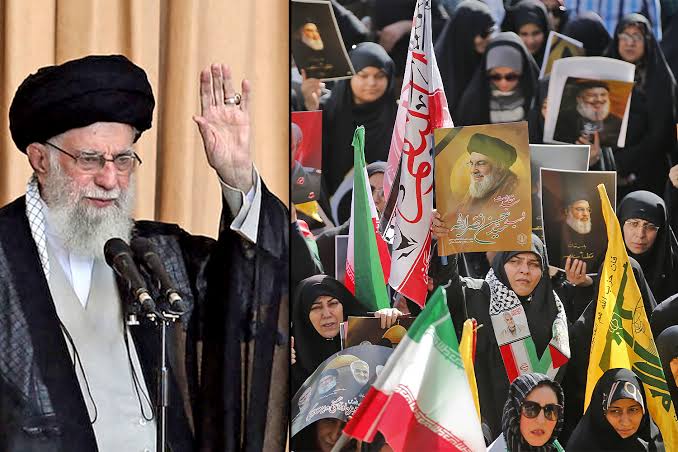
Iran enters 2026 in a condition of managed instability rather than imminent collapse. Sustained domestic unrest, economic contraction, and deepening legitimacy deficits have narrowed the regime’s strategic options, pushing it toward repression as a default mode of governance. While the state retains formidable coercive capacity, its margin for error is shrinking. Internal fragility now intersects with heightened regional risk, increasing the likelihood that external escalation becomes a tool of internal survival rather than deliberate strategy.

Read MoreDurability Without Stability: Iran’s Unravelling Order

Hedging or Heading Away? The Quiet Drift of US Allies Toward China

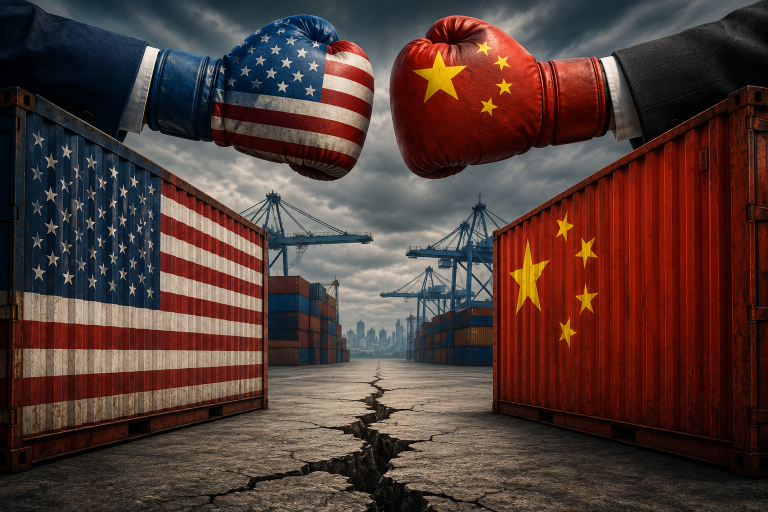
US allies are quietly recalibrating their relationships with China, exploring economic and technological partnerships while maintaining security commitments to Washington. This hedging reflects pragmatic flexibility rather than outright abandonment, but signals a growing multipolar reality. Europe and Asia are diversifying trade, infrastructure, and tech ties with Beijing, testing limits of US influence. The trend highlights a critical choice for Washington: adapt to conditional loyalty and shared influence, or risk incremental erosion of its global primacy as allies hedge for security and opportunity

Read MoreHedging or Heading Away? The Quiet Drift of US Allies Toward China

Negotiations and Tariff Threat of Ongoing US-Europe Territory Dispute

The US-Europe dispute over Greenland reflects a new era of geopolitically driven trade policy. President Trump’s threats of escalating tariffs aim to force European acquiescence, prompting discussions on Europe’s anti-coercion measures. NATO deployments to Greenland, debates over US missile defence, and concerns from Russia and China underscore the stakes. Failure to reach agreement risks severe economic disruption for Europe, particularly Germany, while US-EU trade faces uncertainty. The crisis signals that tariffs are increasingly a tool of strategic coercion rather than revenue generation.

Read MoreNegotiations and Tariff Threat of Ongoing US-Europe Territory Dispute

U.S. Capture of Nicolás Maduro and the Inception of a New, Volatile Foreign Policy Doctrine

The U.S. capture of Nicolás Maduro marks a watershed in global politics: a shift from rules to raw power. Framed as law enforcement by United States under Donald Trump, the operation signals a new doctrine of unilateral regime removal tied to strategic resources. The immediate prize is Venezuelan oil; the long-term cost is a destabilized international order, where sovereignty becomes conditional and retaliation increasingly likely.

Read MoreU.S. Capture of Nicolás Maduro and the Inception of a New, Volatile Foreign Policy Doctrine

2026 Geopolitics: Power Without Dominance

Geopolitics in 2026 is defined by power without dominance. Major states retain significant military and economic capacity, yet lack the ability to impose durable outcomes unilaterally. Strategic competition has shifted toward chokepoints in technology, energy, and finance, while unresolved conflicts are increasingly managed rather than resolved. Fiscal constraints, alliance recalibration, and regional power assertion are reshaping global behaviour, producing a fragmented international system marked by calibrated escalation, persistent friction, and heightened strategic uncertainty.

Read More2026 Geopolitics: Power Without Dominance