Exploring shifts in global power and institutional relevance, offering deep insights and foresight into the emerging dynamics shaping the future of the international order.

Navigating the Reconfiguration of the Global Order

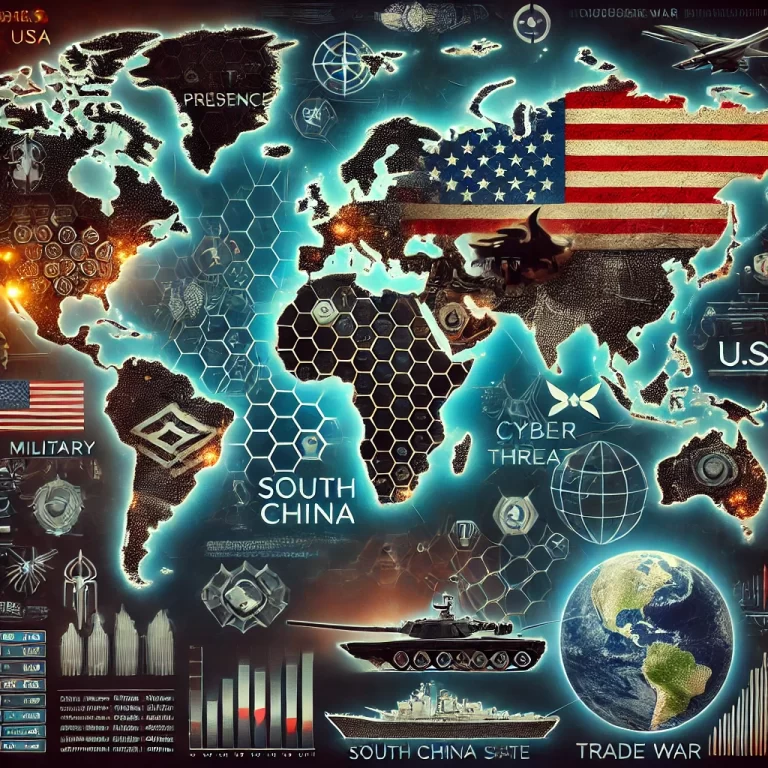
The global order is undergoing its deepest reconfiguration since the Cold War. Power is diffusing beyond the U.S.–China axis to assertive regional powers, non-state actors, and transnational corporations. Conflicts, supply-chain shocks, and climate pressures are exposing the fragility of old institutions. De-risking strategies, digital competition, and the energy transition are redrawing economic and security maps in real time. Resilience, adaptability, and pragmatic cooperation—not outdated assumptions—will determine which nations and institutions thrive in this fluid, contested system.
Read MoreNavigating the Reconfiguration of the Global Order

Recognition Without Reconciliation: The Palestine Recognition Shake-Up

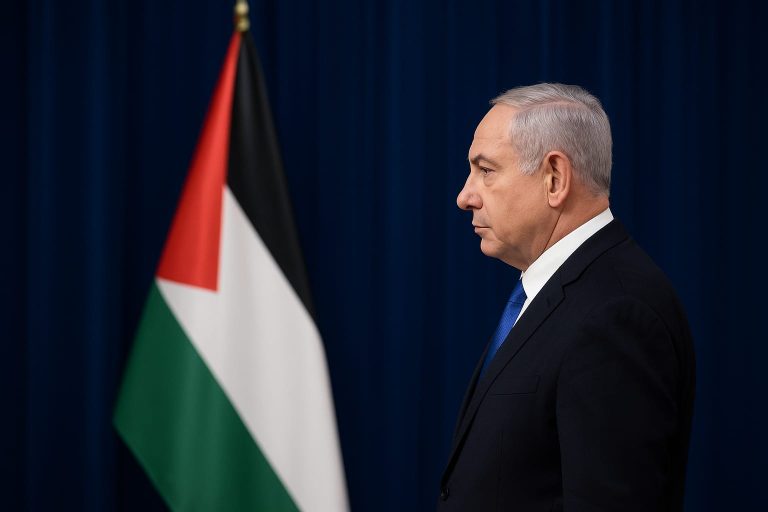
Britain, Canada, and Australia’s recognition of Palestine has upended the diplomatic balance. While Palestinians hail the move as overdue legitimacy, Israeli Prime Minister Netanyahu vows there will be “no Palestinian state,” framing the decision as a reward for extremism. This Western shift pressures Washington, unsettles Arab capitals, and raises expectations for Palestinian governance. Recognition does not create statehood, but it changes the political calculus—forcing Israel, its allies, and its critics to rethink their next moves.

Read MoreRecognition Without Reconciliation: The Palestine Recognition Shake-Up

The Alaska Summit: Why Trump and Putin’s Meeting Marks a Diplomatic Success

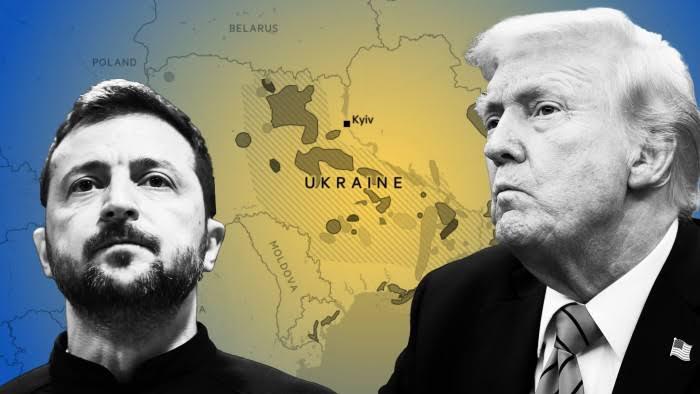
The Alaska Summit between Trump and Putin marked a subtle but meaningful diplomatic success. While no ceasefire or land swap was announced, the meeting established common ground, opened channels for future talks, and secured a commitment to reconvene. Trump’s pledge to consult Zelenskyy, NATO, and European allies underscores a process-driven approach rather than unilateralism. History shows that first meetings often set the stage for breakthroughs. By creating momentum and continuity, Anchorage became a quiet step toward potential peace.

Read MoreThe Alaska Summit: Why Trump and Putin’s Meeting Marks a Diplomatic Success

Privatizing Sovereignty? The Strategic Risks of Governance Vacuums in Fragile States

As state power declines in fragile regions, governance is increasingly shifting to non-state actors—militant groups, corporations, and private investors. From Gaza to tech-run cities, sovereignty is no longer exclusive to nations. This brief examines the rise of private governance, its geopolitical drivers, and the risks it poses to legitimacy, stability, and diplomacy. The future of power may lie not in parliaments, but in boardrooms, algorithms, and fortified zones.

Read MorePrivatizing Sovereignty? The Strategic Risks of Governance Vacuums in Fragile States

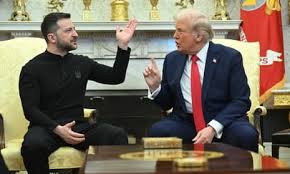
Zelenskyy’s Dilemma: A Choice Between Trump’s Strategy and Europe’s Unrealistic Expectations

From the beginning of Russia’s invasion of Ukraine, Europe has been unwavering in its support for Ukraine, but that support has always come with conditions. European leaders, particularly French President Emmanuel Macron and European Commission President Ursula von der Leyen, have maintained that the war must end on terms that force Russia into retreat. Their insistence on Putin’s capitulation is not just about Ukraine—it’s about the long-term security of Europe.

Read MoreZelenskyy’s Dilemma: A Choice Between Trump’s Strategy and Europe’s Unrealistic Expectations

Zelenskyy: ‘President Trump is living in this disinformation space’

Ultimately, the human cost compels a renewed sense of urgency. The stories of families torn apart by shelling in Mariupol, the harrowing journeys of refugees fleeing Kharkiv, and the mounting mental and emotional toll on frontline soldiers remind us of the stakes. Millions of people yearn for a future free of conflict—where children can attend schools safely, homes are not threatened by missile strikes, and peace is more than a distant aspiration.

Read MoreZelenskyy: ‘President Trump is living in this disinformation space’

Trump tells Ukraine ‘You should have never started the war, you could have given up land’

President Trump’s stance, as captured by a BBC broadcast and supported by fresh statements from his Florida residence at Mar-a-Lago, goes further than his previous rhetorical positioning. Instead of stressing deterrence through strength—his usual rationale—he placed partial responsibility on Ukraine, suggesting that a territorial concession could have averted the conflict altogether. These statements have elicited strong reactions worldwide, most notably in Ukraine itself, which has borne the brunt of the Russian invasion.

Read MoreTrump tells Ukraine ‘You should have never started the war, you could have given up land’

Trump Demands End to Gaza Ceasefire if All Israeli Hostages Are Not Freed

President Donald Trump’s call to “cancel the ceasefire” in Gaza unless all remaining Israeli hostages are freed has sparked a new wave of diplomatic tension in an already volatile Middle Eastern landscape. In the unfolding drama, multiple stakeholders are wrestling with the stark choices between continuing the ceasefire or plunging back into open warfare.

Read MoreTrump Demands End to Gaza Ceasefire if All Israeli Hostages Are Not Freed