Hormuz Control Conflict: When System Warfare Replaces Deterrence

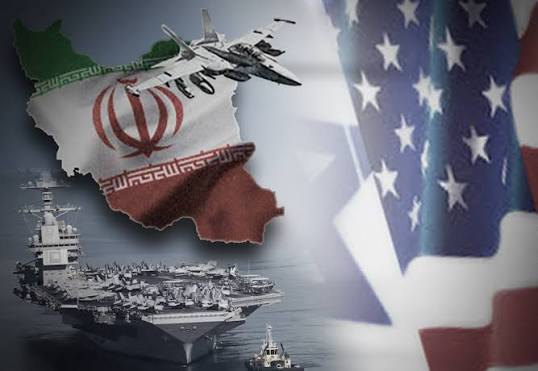
Hormuz has shifted from deterrence to system warfare, where control of perception, risk, and flow now outweighs kinetic dominance. The U.S. is enforcing maritime order, while Iran exploits asymmetric disruption to raise systemic cost. Neither can fully control the corridor—only degrade or shape it. The result is a fragile equilibrium defined by volatility, insurance pressure, and alliance strain, where the decisive question is no longer military victory, but who sets the conditions under which global trade continues.

Read MoreHormuz Control Conflict: When System Warfare Replaces Deterrence

Impact of the 2026 Iran Conflict on Global Oil Markets

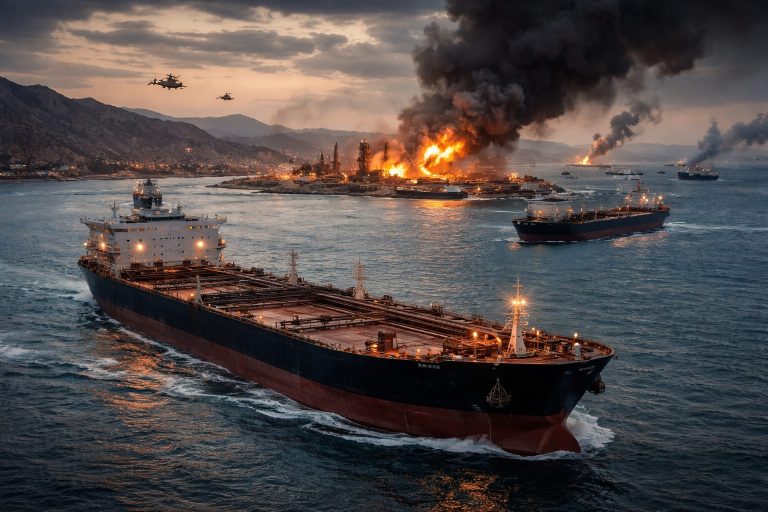
The 2026 Iran conflict has triggered severe volatility in global oil markets, driven largely by the closure of the Strait of Hormuz, a key artery for nearly 20% of global oil supply. Prices have surged above $100 per barrel, disrupting trade, transportation, and economic stability worldwide. Import-dependent regions, particularly in Asia and Europe, face acute shortages, while emergency reserves and energy transitions offer only partial relief amid ongoing geopolitical uncertainty.

Read MoreImpact of the 2026 Iran Conflict on Global Oil Markets