Development of UK Trade Deals since Brexit

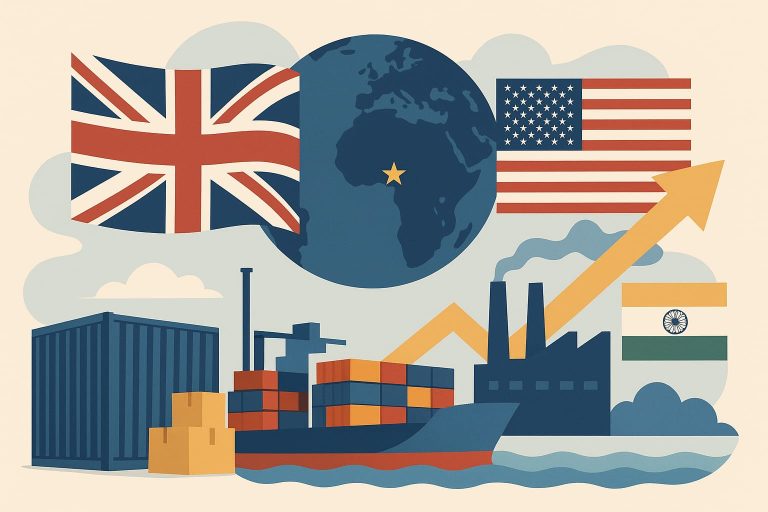
Since Brexit, the UK has pursued new and amended trade deals to expand market access and strengthen international partnerships. Agreements with the EU, US, India, and Pacific nations reflect efforts to boost exports, attract investment, and drive growth under the Invest 2035 strategy. Despite ongoing economic instability, these trade deals support diversification, innovation, and employment across high-growth sectors such as technology, clean energy, and manufacturing—positioning trade as a central pillar of the UK’s long-term recovery and competitiveness.

Read MoreDevelopment of UK Trade Deals since Brexit

Forced Relocation and Civil Commitment: Trumps’ Executive Order to Ban Rough Sleeping 

President Trump’s executive order banning rough sleeping marks a sharp policy shift from the housing-first approach toward punitive enforcement. Backed by the Supreme Court’s Grants Pass v. Johnson ruling, the order deploys federal agents in Washington, DC to forcibly relocate and civilly commit homeless individuals. While framed as restoring public order, the policy risks worsening homelessness by criminalising poverty, straining shelters, and displacing individuals without alternatives. Critics warn it deepens marginalisation, fuels migration to other cities, and undermines long-term solutions.

Read MoreForced Relocation and Civil Commitment: Trumps’ Executive Order to Ban Rough Sleeping 

Tariffs Up, Treasury Down: Why Washington’s Red Ink Matter

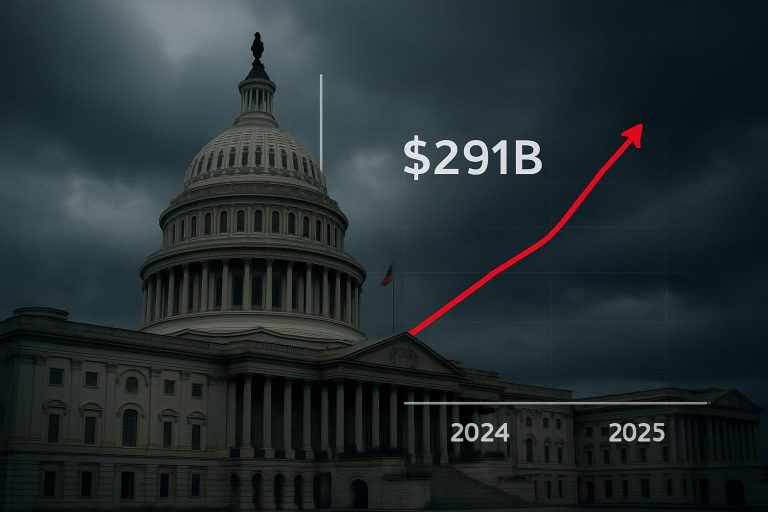
The U.S. federal deficit widened to $291 billion in July, a 19% year-on-year rise, despite tariff revenues tripling under Trump’s trade regime. Customs duties reached $21 billion, but were eclipsed by surging healthcare, Social Security, and debt service costs. With the year-to-date shortfall at $1.63 trillion, Washington faces a structural imbalance that tariff windfalls cannot offset. Fiscal sustainability now collides with strategic ambition, reshaping America’s capacity to fund defense, sustain alliances, and project power abroad.

Read MoreTariffs Up, Treasury Down: Why Washington’s Red Ink Matter

Argentina’s Fiscal Gambit: Milei’s Vetoes, Market Signalling, and the Politics of Austerity

In Buenos Aires, President Javier Milei’s veto of congressional bills to expand pensions, disability support, and moratorium extensions underscores his uncompromising libertarian agenda. By blocking spending increases while pushing symbolic measures such as banning Central Bank transfers to the Treasury and criminalising deficit budgets, Milei signals a doctrine of austerity over welfare. He frames social expansion as a threat to fiscal surplus and the peso’s stability, positioning Argentina on a collision course between economic orthodoxy and mounting public discontent.

Read MoreArgentina’s Fiscal Gambit: Milei’s Vetoes, Market Signalling, and the Politics of Austerity

Italy’s Migration Crossroads: Redefining Europe’s Southern Frontier

Italy is recalibrating its migration strategy through a dual track: expanding legal work visas to offset a shrinking workforce while tightening maritime deterrence along the central Mediterranean. Offshore asylum centres in Albania aim to separate arrival from entry rights, though EU divisions and Libya’s fragmented politics strain coordination. If courts uphold the model, it could redefine Europe’s southern frontier; if not, Italy risks renewed arrival surges, humanitarian strain, and deepened fractures in EU solidarity on migration policy

Read MoreItaly’s Migration Crossroads: Redefining Europe’s Southern Frontier

The Big Beautiful Bill: Domestic Vision, Global Ripples

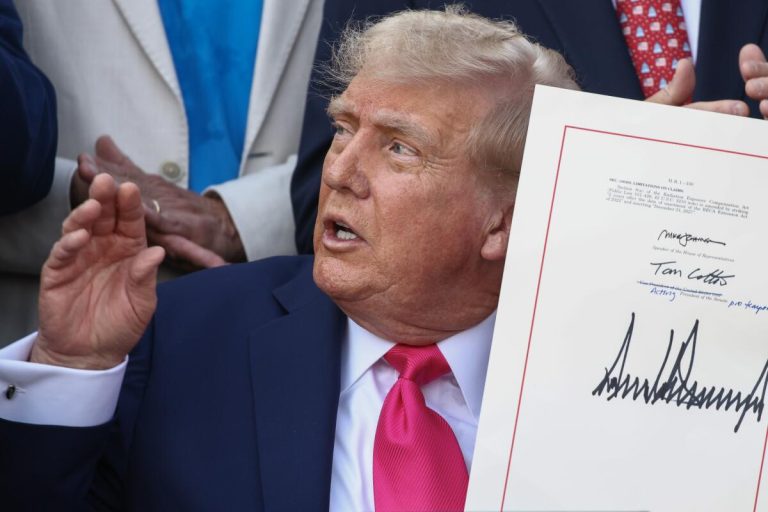
Donald Trump’s “Big Beautiful Bill,” passed on July 4, 2025, delivers sweeping tax cuts and boosts defense and immigration enforcement, but faces sharp criticism over its impact on debt and social safety nets. While the administration touts economic benefits, the bill reallocates Medicaid and SNAP funding to states and imposes new work requirements. Internationally, Trump’s tariff strategy—especially on countries like South Africa—raises economic uncertainty. The bill marks a bold, polarising vision with far-reaching domestic and global implications.

Read MoreThe Big Beautiful Bill: Domestic Vision, Global Ripples

Fortress America Returns: What Allies Must Understand About Trump’s Signature Domestic Policy Push

As President Trump’s second term advances, his signature domestic agenda, the America First Reindustrialization Act, signals a sweeping shift in U.S. economic and strategic policy. Blending nationalism, industrial revival, and security, the act redefines global alliances, challenges trade norms, and aims for economic disentanglement from China. For allies, understanding and adapting to this new U.S. posture is not optional, it’s imperative for navigating a more transactional and strategically assertive America.

Read MoreFortress America Returns: What Allies Must Understand About Trump’s Signature Domestic Policy Push

Britain Re-Arms: What the UK’s 2025 Strategic Defence Review Really Signals

Britain’s 2025 Strategic Defence Review marks a profound shift from post-Cold War complacency to strategic realism. With increased defence spending, revived industrial capacity, nuclear modernization, and a global military posture, the UK is preparing for long-term global disorder. From missile stockpiles to cyber resilience and AI-driven warfare, the review signals that Britain is rearming not for the last war, but for a future of great-power rivalry and enduring geopolitical turbulence.

Read MoreBritain Re-Arms: What the UK’s 2025 Strategic Defence Review Really Signals