AI in 2025: The Good, the Bad, and the Ugly

By 2025, artificial intelligence has shifted from disruptive innovation to strategic infrastructure. It is boosting productivity, accelerating scientific discovery, and expanding access to knowledge, while simultaneously intensifying labour disruption, market concentration, and governance gaps. More troublingly, AI is eroding trust in information, enabling surveillance, and compressing decision-making in ways that strain democratic and security systems. AI is no longer a neutral tool; it is a force multiplier whose impact depends less on capability and more on the strength of institutions that govern it.

Read MoreAI in 2025: The Good, the Bad, and the Ugly

Localizing Intelligence: Africa’s Fight for Inclusive AI

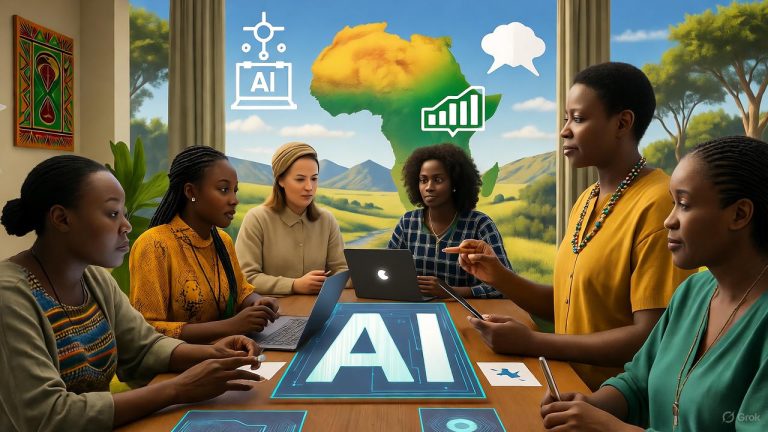
When African computer scientist Atika Elshazli tested a breast cancer detection model, it failed her patients—not from error, but exclusion. Most AI training data comes from the West, leaving African realities invisible in the code. Across the continent, a new movement is rising to change that—anchoring artificial intelligence in ethics, data sovereignty, fairness, and access. If Africa grounds AI in its own values like Ubuntu, it won’t just catch up to the future; it will redefine its moral frontier.

Read MoreLocalizing Intelligence: Africa’s Fight for Inclusive AI

“The Line” Review

Saudi Arabia’s \$500 billion mega project, “The Line,” part of the NEOM initiative under Vision 2030, faces financial and ethical scrutiny amid falling oil revenues. Planned as a 100% renewable, linear city for 9 million residents, its projected 2030 population has been cut to 300,000. Critics cite massive costs, budget deficits, and alleged forced displacements of the Al-Huwaitat tribe. The project’s future remains uncertain, with global economic implications, including potential effects on Africa where Saudi investments may reach \$41 billion in the next decade.

Read More“The Line” Review

How America Powered the Rise of China—Willingly

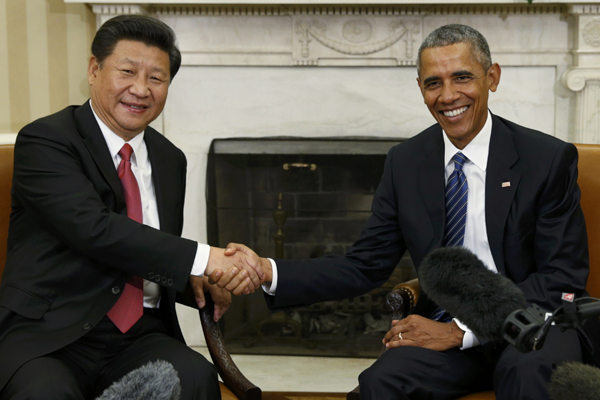
America's engagement with China was built on the belief that economic integration would lead to political liberalization. Instead, the U.S. facilitated China's rise by granting trade privileges, offshoring industries, and sharing technology. This strategy, driven by profit motives and strategic naivety, empowered a rival that now challenges U.S. dominance. Recognizing this, America faces the task of realigning its policies to safeguard national interests and technological sovereignty.

Read MoreHow America Powered the Rise of China—Willingly

The Second Punch: Why Trump’s Student Visa Freeze Marks a Strategic Shift in U.S.–China Relations

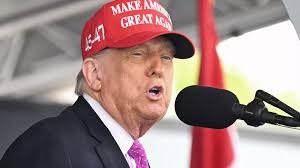
President Trump’s freeze on student visa processing marks a strategic shift in U.S.–China relations. Framed as a response to campus antisemitism, the move is part of a broader effort to decouple from China. By targeting academic exchanges, the administration aims to protect America’s innovation ecosystem from foreign exploitation. This policy, following earlier tariffs, represents the second major strike in a systematic recalibration of U.S. geopolitical and economic priorities.

Read MoreThe Second Punch: Why Trump’s Student Visa Freeze Marks a Strategic Shift in U.S.–China Relations

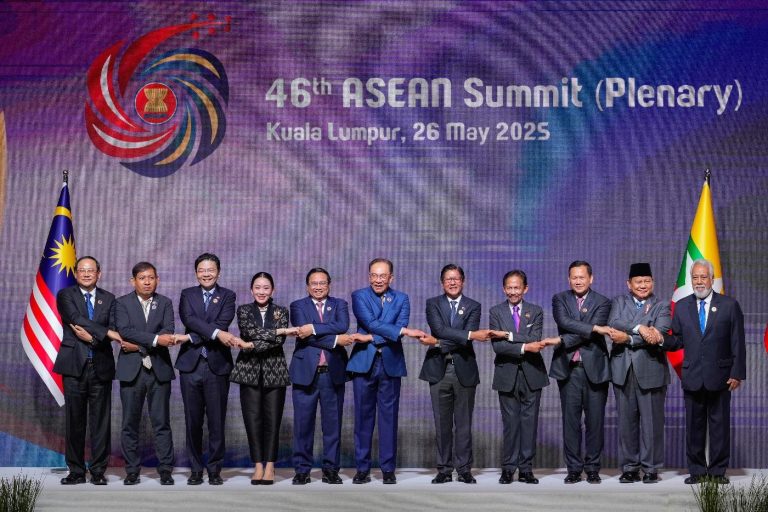
ASEAN Summit in Malaysia: Defying Trump’s Tariffs. Will the Region Break Free or Bow Down?

At the ASEAN Summit in Kuala Lumpur, leaders faced tough choices as Trump’s tariff threats loomed and China expanded its influence. With pressure mounting from both sides, ASEAN pushed for unity and new partnerships, including with the Gulf states. But internal divisions and the unresolved crisis in Myanmar cast a shadow. The summit was a clear reminder: if ASEAN wants to shape its own future, it needs to stand together, now more than ever.

Read MoreASEAN Summit in Malaysia: Defying Trump’s Tariffs. Will the Region Break Free or Bow Down?

US-Syria Relations – How the Lifting of Sanctions can Lead to Opportunities for Rapprochement

The recent U.S. decision to lift sanctions on Syria has sparked cautious hope for a new chapter in U.S.-Syria relations. With a new Syrian president in place, there's a chance to rebuild diplomatic and economic ties. While the move offers opportunities for recovery and cooperation, it comes with tough conditions. Could this be the start of lasting peace and partnership, or just a temporary shift in a complex region?

Read MoreUS-Syria Relations – How the Lifting of Sanctions can Lead to Opportunities for Rapprochement