Hormuz Control Conflict: When System Warfare Replaces Deterrence

Hormuz has shifted from deterrence to system warfare, where control of perception, risk, and flow now outweighs kinetic dominance. The U.S. is enforcing maritime order, while Iran exploits asymmetric disruption to raise systemic cost. Neither can fully control the corridor—only degrade or shape it. The result is a fragile equilibrium defined by volatility, insurance pressure, and alliance strain, where the decisive question is no longer military victory, but who sets the conditions under which global trade continues.
Read MoreHormuz Control Conflict: When System Warfare Replaces Deterrence

Impact of the 2026 Iran Conflict on Global Oil Markets

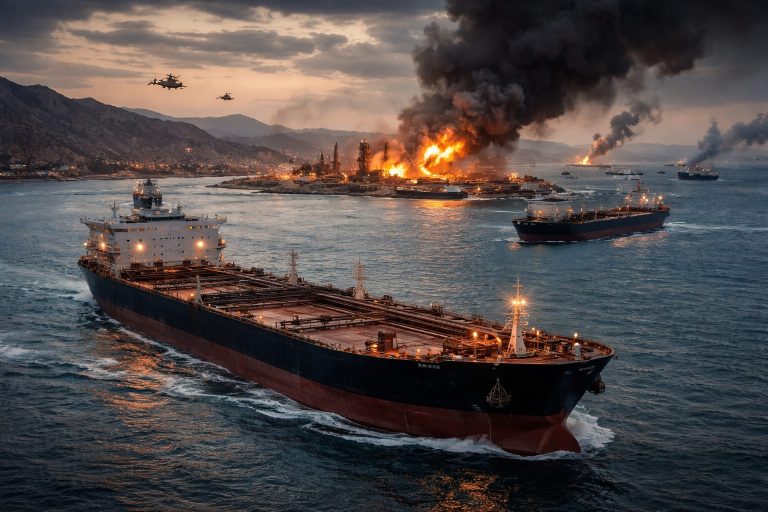
The 2026 Iran conflict has triggered severe volatility in global oil markets, driven largely by the closure of the Strait of Hormuz, a key artery for nearly 20% of global oil supply. Prices have surged above $100 per barrel, disrupting trade, transportation, and economic stability worldwide. Import-dependent regions, particularly in Asia and Europe, face acute shortages, while emergency reserves and energy transitions offer only partial relief amid ongoing geopolitical uncertainty.

Read MoreImpact of the 2026 Iran Conflict on Global Oil Markets

The Iran Strike: Regional Conflagration and Global Strategic Implications

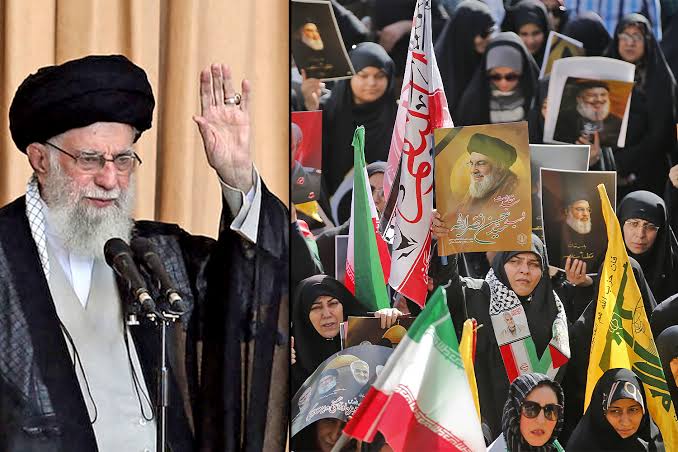
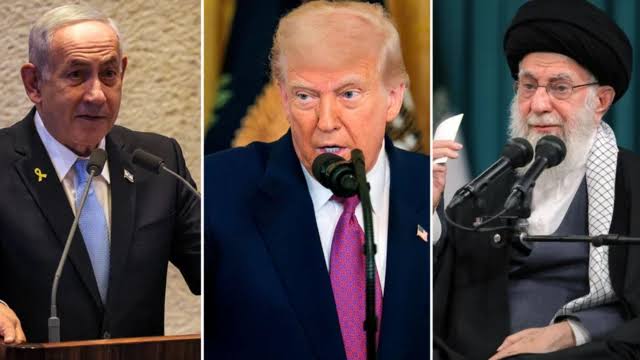
The U.S.–Israel strikes on Iran represent now a decisive shift in regional security dynamics. By targeting strategic military infrastructure, the attacks have elevated the Gulf from a zone of tension to an active theatre of risk. Iran’s capacity for asymmetric retaliation through maritime disruption and proxy escalation remains intact. Energy markets, trade corridors, and alliance structures now face renewed volatility, while major powers recalibrate shifting positions in anticipation of a prolonged period of instability and competitive deterrence ahead globally today.

Read MoreThe Iran Strike: Regional Conflagration and Global Strategic Implications

U.S. Capture of Nicolás Maduro and the Inception of a New, Volatile Foreign Policy Doctrine

The U.S. capture of Nicolás Maduro marks a watershed in global politics: a shift from rules to raw power. Framed as law enforcement by United States under Donald Trump, the operation signals a new doctrine of unilateral regime removal tied to strategic resources. The immediate prize is Venezuelan oil; the long-term cost is a destabilized international order, where sovereignty becomes conditional and retaliation increasingly likely.

Read MoreU.S. Capture of Nicolás Maduro and the Inception of a New, Volatile Foreign Policy Doctrine

Global Order Under Strain: The Major Foreign-Policy Shocks of 2025

2025 exposed a global order under strain, defined less by decisive realignments than by accumulating shocks. U.S.–China economic confrontation became visibly symmetric, conflict mediation in Ukraine and the Middle East lost credibility, and regional actors assumed security roles once held by global powers. Trade routes, supply chains, and deterrence norms all proved fragile. The year underscored a central reality: major powers retain ambition, but their ability to enforce outcomes is increasingly constrained, producing a more volatile and contested international system.

Read MoreGlobal Order Under Strain: The Major Foreign-Policy Shocks of 2025

What does Chinese Military Expansion mean?

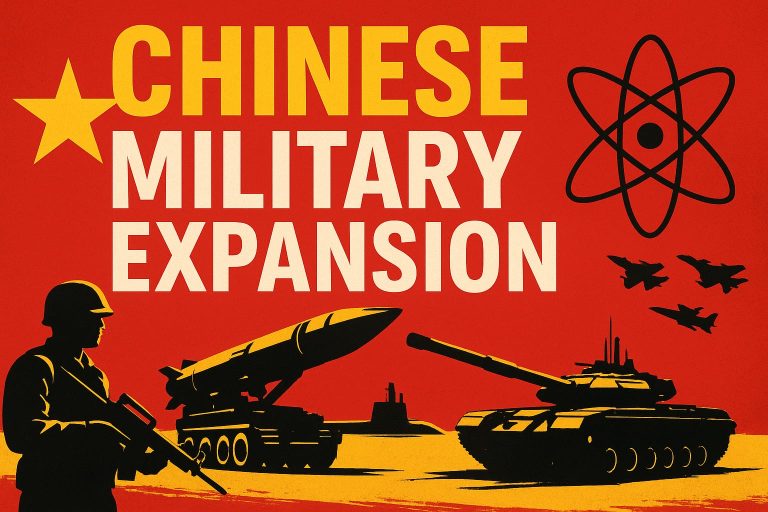
Beijing’s Victory Day parade has brought global attention to China’s military expansion and new nuclear capabilities. The strong demonstration of military power reflects President Xi’s political ambitions for China, carrying implications for both the East Asian region and international relations. Geopolitical tensions both within the region and between China and the US, as well as the development of diplomatic partnerships between China, Russia, and North Korea, mark an increase in militaristic competition and spending, and a united front against Western interference.

Read MoreWhat does Chinese Military Expansion mean?

Tensions escalate as Venezuela mobilizes 4.5 million militiamen in response to US crackdown on drug trafficking.

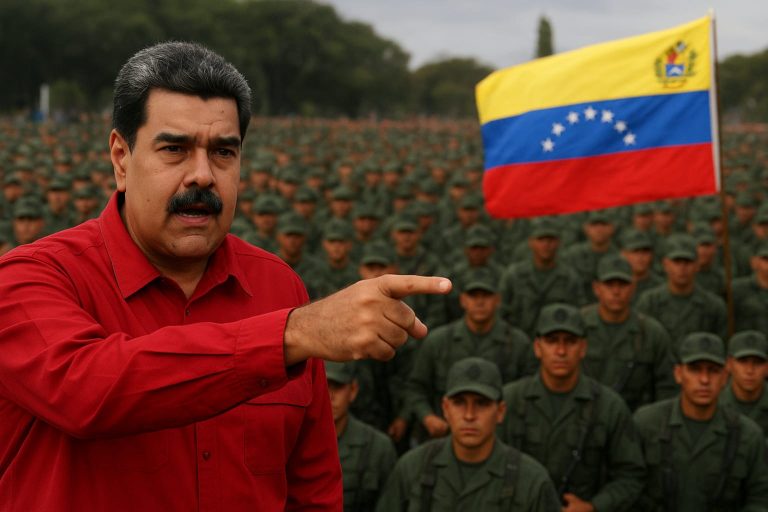
Venezuela has announced the mobilisation of 4.5 million militiamen throughout the country in response to increased US naval movements in the Latin America and Caribbean (LAC) region. The conflict is based on the national security threat of drug cartel activities, which have history of illegal drug trade into the US. Venezuelan president Maduro argues that US military imposition in the region undermines sovereignty and independence. The conflict threatens peace and stability in the region, with potential consequences for Venezuela’s economic crisis and humanitarian challenges. For the US, it could mean increased control over oil reserves and immigration.

Read MoreTensions escalate as Venezuela mobilizes 4.5 million militiamen in response to US crackdown on drug trafficking.

Alaska Summit, No Ceasefire: What the Trump–Putin Optics Mean for Kyiv and Europe

The Trump–Putin summit in Alaska produced headlines but no ceasefire. Moscow floated a deal trading territorial concessions for a freeze, but Kyiv and Europe firmly rejected redrawing borders by force. For Russia, the optics eased isolation; for Ukraine, exclusion risked weakening support. Civilian casualties hit a three-year high, underscoring the costs of delay. With Trump set to meet Zelensky in Washington, the next test is whether U.S. mediation can deliver a sovereignty-first framework that Europe and Kyiv accept.

Read MoreAlaska Summit, No Ceasefire: What the Trump–Putin Optics Mean for Kyiv and Europe

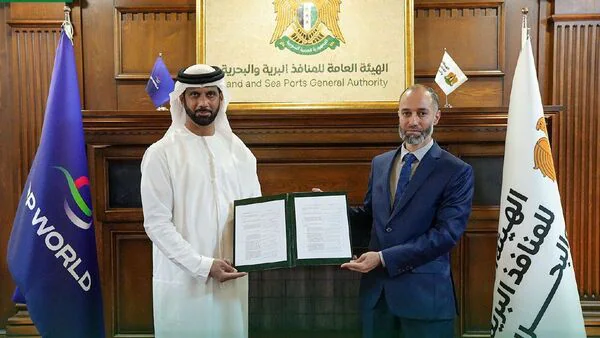
Syria’s Tartous Gamble: UAE’s $800 Million Bet on a Port in the Eye of the Storm

The $800 million UAE–Syria deal to redevelop Tartous port positions the site as a potential East Mediterranean logistics hub linking Asia, Europe, and Africa. Operated by DP World, the project could revitalise Syria’s economy and integrate it into regional trade. Yet deep instability, sanctions, and the port’s dual role as a Russian naval base complicate execution. Without security and political breakthroughs, Tartous risks becoming another unrealised infrastructure vision — rich in promise, poor in delivery.

Read MoreSyria’s Tartous Gamble: UAE’s $800 Million Bet on a Port in the Eye of the Storm