Burundi’s Strategic Withdrawal: Domestic Pressures and the Great Lakes Security Ripple 

Burundi’s planned withdrawal from the African Union mission in Somalia marks a turning point for its military and political landscape. For nearly two decades, AU deployments provided cohesion, professional development, and strategic leverage. Ending this role risks weakening internal discipline, reducing diplomatic influence, and complicating regional security coordination. With tensions in eastern DRC and uneasy relations with Rwanda, the transition could reverberate beyond Burundi’s borders, shaping the stability of the Great Lakes region in the months ahead.
Read MoreBurundi’s Strategic Withdrawal: Domestic Pressures and the Great Lakes Security Ripple 

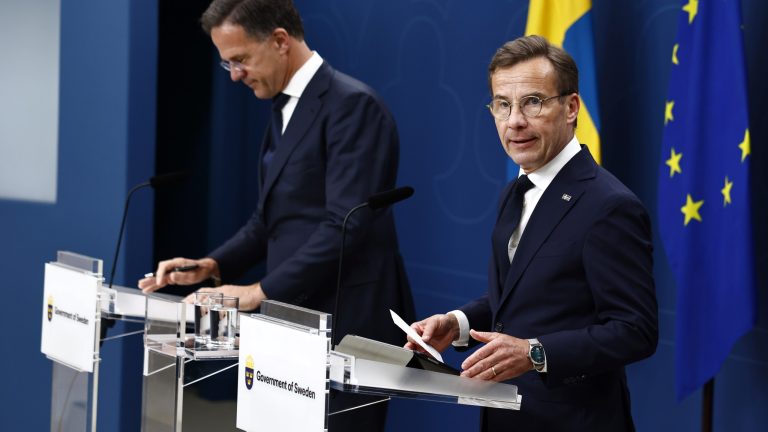
Sweden Commits 5% of GDP to Domestic and NATO Security

Sweden has unveiled one of the most ambitious defence investments in its modern history, committing to allocate 5% of its GDP to national and NATO security by 2030. The multi-party agreement includes $31 billion in new spending to modernise Sweden’s military and civil defence. As geopolitical tensions escalate, particularly around the Baltic, Stockholm’s move positions it as a frontline NATO contributor. However, balancing long-term ambition with economic and operational constraints will test Sweden’s resilience and readiness in the years ahead.

Read MoreSweden Commits 5% of GDP to Domestic and NATO Security