Sweden Commits 5% of GDP to Domestic and NATO Security
Sweden has unveiled one of the most ambitious defence investments in its modern history, committing to allocate 5% of its GDP to national and NATO security by 2030. The multi-party agreement includes $31 billion in new spending to modernise Sweden’s military and civil defence. As geopolitical tensions escalate, particularly around the Baltic, Stockholm’s move positions it as a frontline NATO contributor. However, balancing long-term ambition with economic and operational constraints will test Sweden’s resilience and readiness in the years ahead.

Executive Summary
• On 19 June 2025, Sweden’s Riksdag approved a landmark 300 billion crown ($31 billion) defence package to enhance military and civil security.
• The agreement, supported by all eight parliamentary parties, commits Sweden to allocate 5% of GDP to defence by 2030.
• The plan earmarks 3.5% of GDP for core military spending and 1.5% for broader security sectors, including civil defence, cybersecurity, and strategic infrastructure.
Context
Sweden’s defence doctrine has undergone a historic transformation. Once emblematic of Nordic neutrality, the country is now positioning itself as a frontline contributor to NATO’s northern defence posture. On 19 June 2025, the Riksdag approved an unprecedented bipartisan agreement to allocate 300 billion crowns ($31 billion) toward strengthening national defence capabilities. This includes expanding conscription, upgrading long-range weapons systems, and reinforcing critical infrastructure.
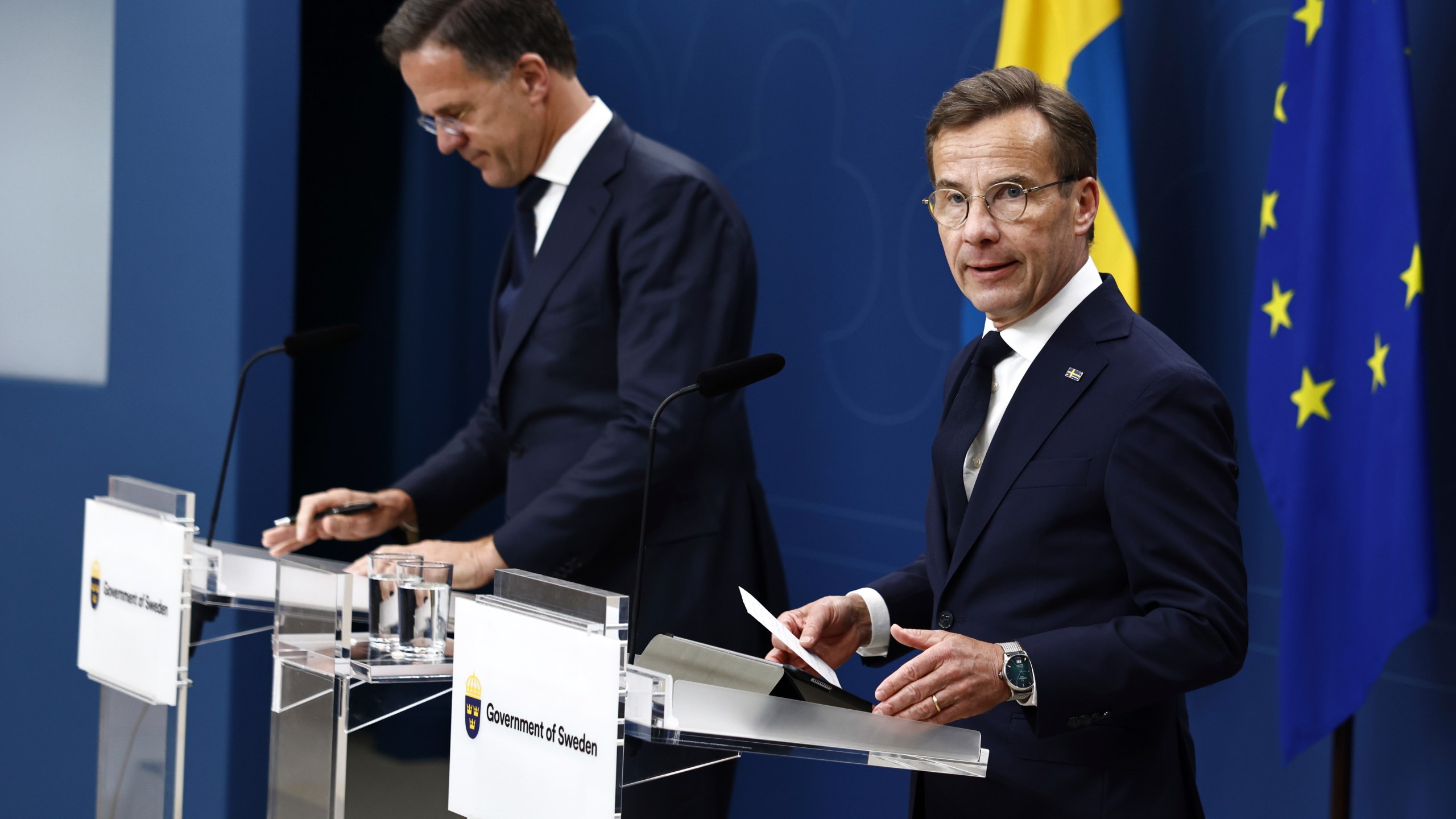
The move follows Sweden’s formal accession to NATO in 2024 as its 32nd member—a milestone that reoriented Sweden’s strategic trajectory. At the NATO Summit in The Hague, Stockholm pledged to devote 5% of GDP to defence spending by 2030, exceeding NATO’s 2% baseline. Prime Minister Ulf Kristersson confirmed that this would be split between 3.5% for military defence and 1.5% for civil and digital security, reflecting a whole-of-society approach to deterrence.
Analysis
Sweden’s pivot represents the most ambitious defence posture in its modern history. While the country has gradually rearmed over the past decade, Russia’s war in Ukraine and growing regional volatility have forced a comprehensive reassessment of threats across the Baltic Sea and Arctic regions.
The current plan expands investments across Sweden’s Army, Navy, and Air Force, while also embedding civil preparedness into national defence. The emphasis is not only on hard power—such as long-range strike capabilities and naval assets—but also on resilience: cyber readiness, secure infrastructure, and rapid mobilisation of conscripts.
Stockholm’s model mirrors the “total defence” paradigm—blending traditional military capacity with societal resilience. The Riksdag’s cross-party consensus signals enduring political will, but execution will require a disciplined, innovation-driven defence industrial base and sustainable fiscal strategy.
Forecast
• Baltic Security Leadership
Sweden is likely to become a regional stabiliser, with increased contributions to NATO’s northern flank. Expect deeper trilateral coordination with Finland and Norway.
• Procurement and Budget Pressures
Meeting the 5% GDP target will strain fiscal space. Scrutiny over procurement efficiency, industrial partnerships, and defence R&D will intensify.
• Domestic Adaptation
Civil sectors—transport, energy, digital infrastructure—will be progressively “militarised” under the total defence model, requiring new civilian-military coordination frameworks.
• Geopolitical Signalling
Sweden’s posture is aimed at deterrence. However, its assertiveness may provoke countermeasures from adversaries, particularly in the Baltic maritime and cyber domains.
Conclusion
Sweden’s strategic transformation is both deliberate and decisive. By committing 5% of GDP to defence, the country is shedding decades of neutrality to become a principal actor in European security. While the transition will be complex—financially, logistically, and politically—Sweden is now unmistakably positioning itself as a cornerstone of NATO’s northern architecture. The Nordic balance of power has shifted—and it’s likely to endure.