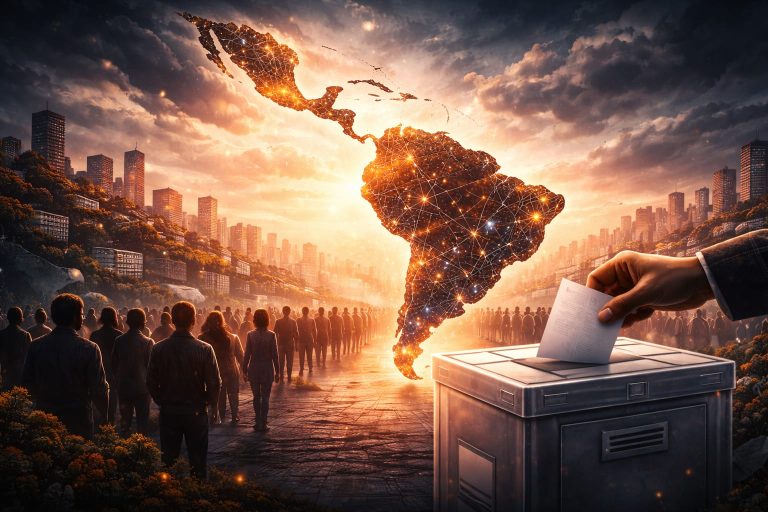
Electoral Uncertainty in Latin America

Latin America is entering a period of heightened electoral uncertainty as a dense cycle of elections from late 2025 to 2026 reshapes the region’s political trajectory. Voter fatigue, economic pressures, and dissatisfaction with inequality are fuelling a potential shift away from left-leaning governments toward more centrist or market-oriented leadership. While this transition may unlock reform and investment opportunities, it also heightens risks of policy volatility, social unrest, and intensified geopolitical competition between global powers.
Read MoreElectoral Uncertainty in Latin America

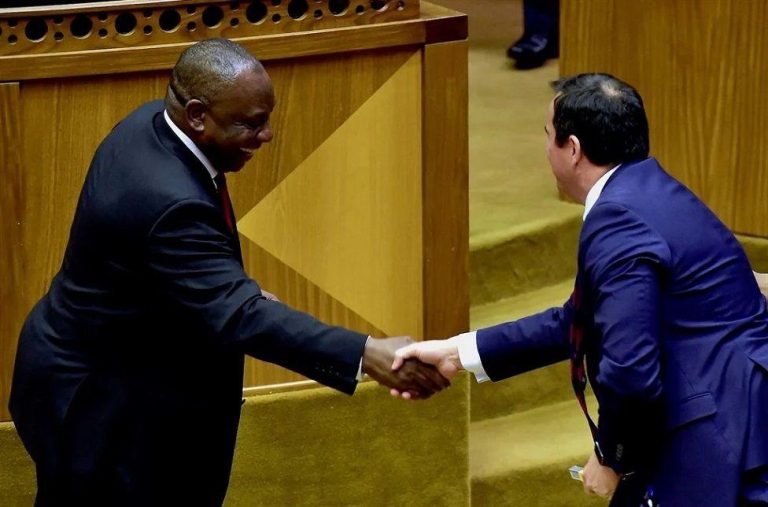
Political shifts in South Africa following introduction of coalition government

South Africa has entered a new political era as the ANC loses its parliamentary majority for the first time since 1994, forming a historic coalition government with the Democratic Alliance. This shift emphasizes negotiation, compromise, and multiparty consensus, reshaping domestic policy on land reform, economic inclusion, and social inequality. The coalition also complicates foreign policy, with internal ideological divisions affecting relations with the US, BRICS, and regional actors. Stability and effectiveness will depend on sustained collaboration amid domestic and geopolitical pressures.

Read MorePolitical shifts in South Africa following introduction of coalition government

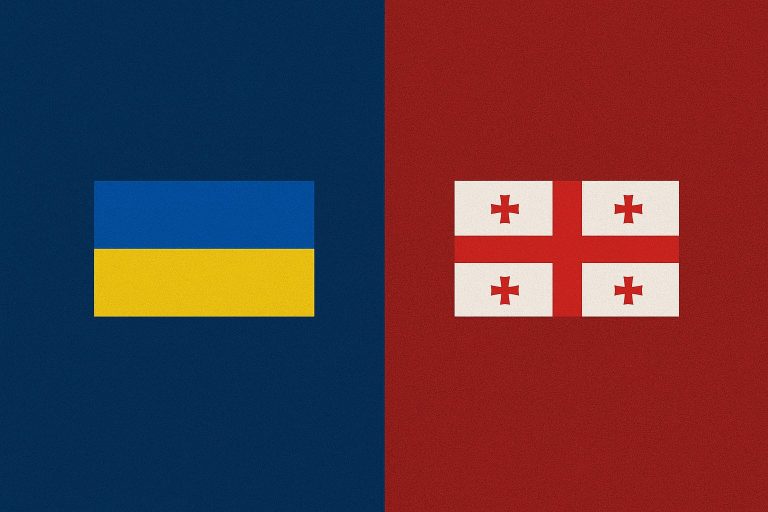
Anti-Corruption Agencies in Transitional Democracies: Ukraine and Georgia

Anti-corruption agencies remain pivotal in transitional democracies, but their impact is context-dependent. In Ukraine, NABU and SAPO resisted political encroachment in mid-2025, with civic mobilization and EU pressure restoring independence, enabling high-level corruption investigations in defense procurement. In Georgia, the Anti-Corruption Bureau is being dismantled, with powers absorbed by a state audit office under executive control, suppressing civil society and signaling democratic backsliding. These cases highlight how anti-graft institutions can either bolster resilience or enable authoritarian consolidation, depending on political context and external leverage.

Read MoreAnti-Corruption Agencies in Transitional Democracies: Ukraine and Georgia

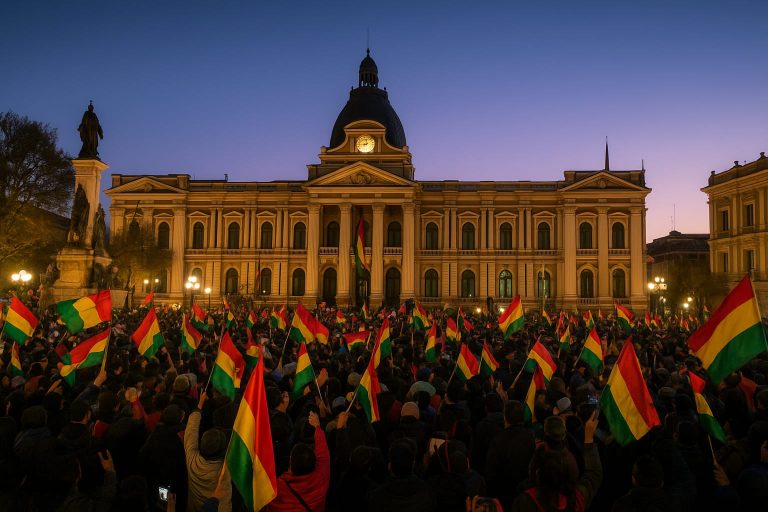
Rodrigo Paz Wins Bolivia’s First Round as MAS Loses Power After 20 Years

Centrist senator Rodrigo Paz’s first-round lead in Bolivia’s presidential race marks a historic rupture, ending two decades of Socialist Party dominance. His unexpected surge reflects widespread discontent with economic stagnation, corruption, and polarization under MAS governments. Paz, positioning as a pragmatic reformer, now faces intense runoff pressures from a weakened but mobilized socialist base. The result signals a potential reordering of Bolivian politics, with implications for regional alliances, resource nationalism, and democratic resilience in South America’s shifting landscape.

Read MoreRodrigo Paz Wins Bolivia’s First Round as MAS Loses Power After 20 Years

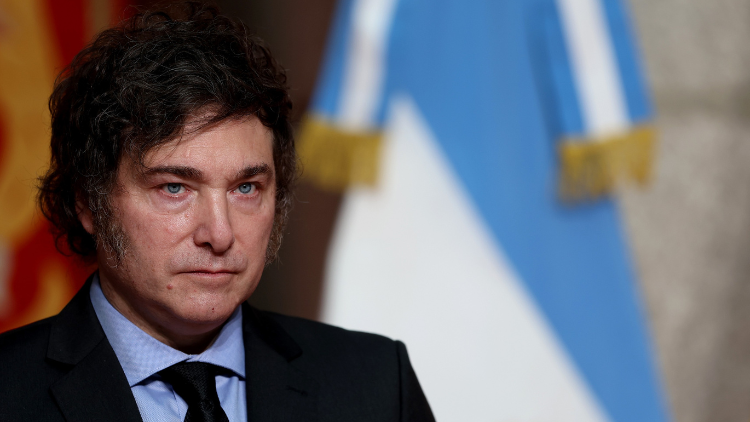
Argentina’s Fiscal Gambit: Milei’s Vetoes, Market Signalling, and the Politics of Austerity

In Buenos Aires, President Javier Milei’s veto of congressional bills to expand pensions, disability support, and moratorium extensions underscores his uncompromising libertarian agenda. By blocking spending increases while pushing symbolic measures such as banning Central Bank transfers to the Treasury and criminalising deficit budgets, Milei signals a doctrine of austerity over welfare. He frames social expansion as a threat to fiscal surplus and the peso’s stability, positioning Argentina on a collision course between economic orthodoxy and mounting public discontent.

Read MoreArgentina’s Fiscal Gambit: Milei’s Vetoes, Market Signalling, and the Politics of Austerity

Alaska Summit, No Ceasefire: What the Trump–Putin Optics Mean for Kyiv and Europe

The Trump–Putin summit in Alaska produced headlines but no ceasefire. Moscow floated a deal trading territorial concessions for a freeze, but Kyiv and Europe firmly rejected redrawing borders by force. For Russia, the optics eased isolation; for Ukraine, exclusion risked weakening support. Civilian casualties hit a three-year high, underscoring the costs of delay. With Trump set to meet Zelensky in Washington, the next test is whether U.S. mediation can deliver a sovereignty-first framework that Europe and Kyiv accept.

Read MoreAlaska Summit, No Ceasefire: What the Trump–Putin Optics Mean for Kyiv and Europe

Global Threat Report Evaluates National Security Challenges Facing Trump Administration

The U.S. Defence Intelligence Agency has released its annual threat assessment report in May 2025 offering a comprehensive appraisal of evolving global security challenges facing the United States. The report underscores the growing complexity of modern threats, shaped by rapid technological advancements and geopolitical rivalries.

Read MoreGlobal Threat Report Evaluates National Security Challenges Facing Trump Administration

South African President Ramaphosa Delivers His Annual State of the Nation Address | N18G

South African President Cyril Ramaphosa took centre stage at Parliament in Cape Town to deliver his much-anticipated annual State of the Nation Address (SONA). This SONA, which marks nearly seven years of Ramaphosa’s presidency, addressed an array of issues, including South Africa’s pressing energy challenges, the country’s infrastructure push, critical social interventions, and the broader continental context of peace and security.

Read MoreSouth African President Ramaphosa Delivers His Annual State of the Nation Address | N18G