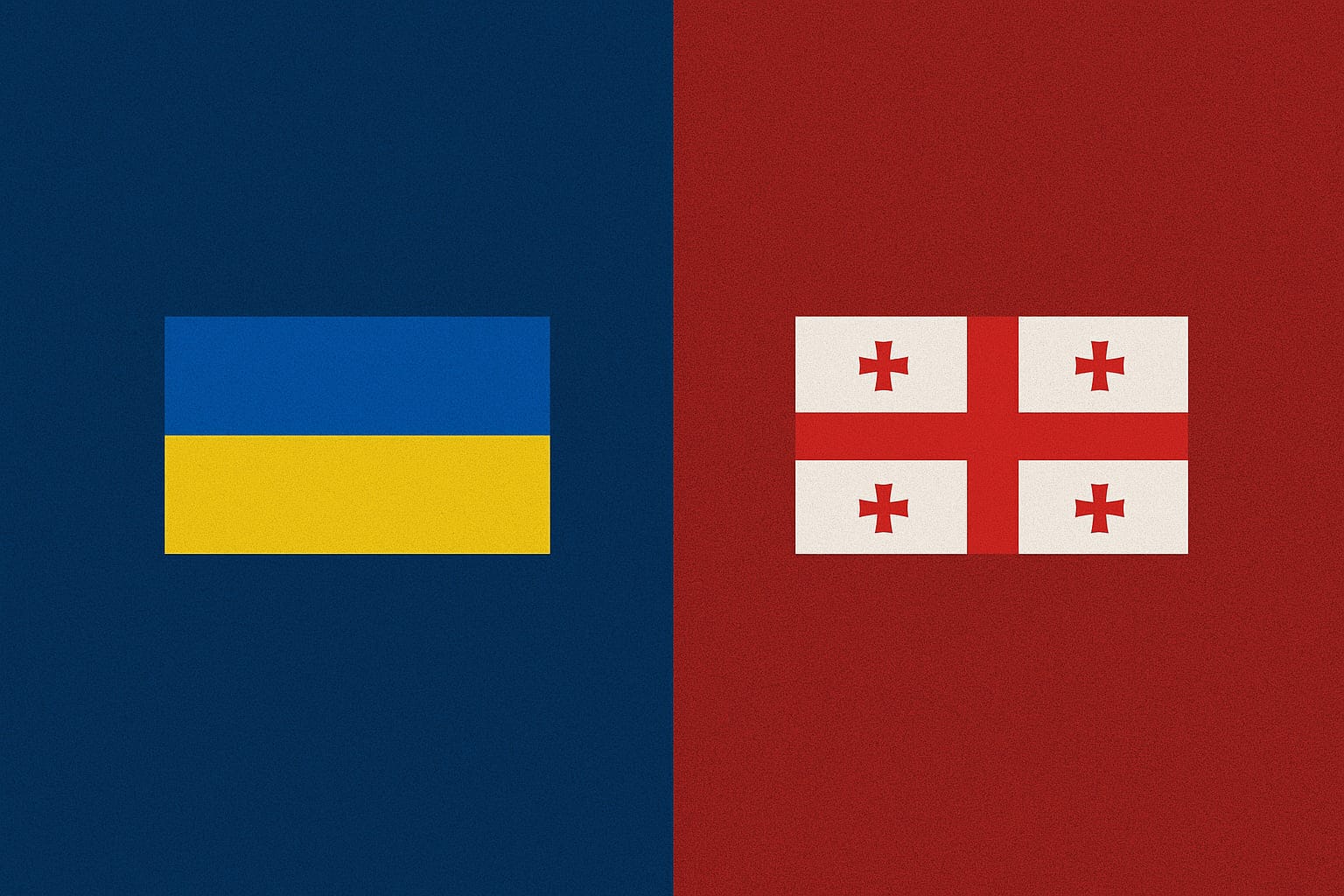
Anti-Corruption Agencies in Transitional Democracies: Ukraine and Georgia
Anti-corruption agencies remain pivotal in transitional democracies, but their impact is context-dependent. In Ukraine, NABU and SAPO resisted political encroachment in mid-2025, with civic mobilization and EU pressure restoring independence, enabling high-level corruption investigations in defense procurement. In Georgia, the Anti-Corruption Bureau is being dismantled, with powers absorbed by a state audit office under executive control, suppressing civil society and signaling democratic backsliding. These cases highlight how anti-graft institutions can either bolster resilience or enable authoritarian consolidation, depending on political context and external leverage.

Strategic Overview
Anti-corruption agencies remain central to the political resilience of transitional and contested democracies, but their impact is highly context-dependent. In Ukraine, NABU and SAPO withstood political attempts at curtailment in mid-2025, thanks to sustained civic mobilization, media scrutiny, and external pressure from EU partners. These agencies now actively pursue high-level corruption in defense procurement, signaling a continued capacity to reinforce democratic norms under extreme stress. In contrast, Georgia’s Anti-Corruption Bureau is being systematically dismantled, with functions absorbed into a state audit office under executive control. The move coincides with broader democratic backsliding and increased pressure on civil society, underscoring how anti-graft bodies can be instrumentalized to weaken democratic accountability when political will shifts toward authoritarian consolidation.
Operational Context
Ukraine:
- Institutional Autonomy: Following public protests in July 2025, parliamentary attempts to politicize NABU and SAPO were reversed. Independence is formally restored, though vulnerability to political interference remains.
- Investigative Activity: NABU/SAPO investigations into defense procurement corruption target high-level officials and National Guard personnel, demonstrating continued operational capacity.
- Civil Society & External Pressure: Vigilant public mobilization, independent media, and EU diplomatic pressure were decisive in preventing institutional capture.
Georgia:
- Institutional Erosion: The ACB’s dissolution, effective March 2026, transfers investigative powers to a state audit office subordinate to the executive.
- Suppression of Dissent: Recent legal tools compel NGOs to surrender financial records and internal data, stifling civil society oversight.
- EU Relations: The rollback coincides with weakening EU leverage, highlighting the fragility of externally anchored reform initiatives.
Geopolitical Tensions
Ukraine:
- Domestic Legitimacy: Corruption investigations enhance government credibility, crucial during a protracted war with Russia.
- International Confidence: Sustained anti-corruption enforcement supports continued EU and Western financial, military, and political backing.
Georgia:
- Democratic Backsliding: Agency dissolution signals shrinking space for independent oversight, weakening alignment with EU norms and reducing leverage for reform advocacy.
- Regional Implications: Consolidation of executive control over anti-corruption mechanisms may embolden authoritarian practices in neighboring post-Soviet states.
Strategic Outlook
Baseline: Anti-corruption agencies are not neutral instruments; their effect on democracy depends on political context, civil society engagement, and external anchoring. Ukraine illustrates a fragile success under war conditions; Georgia demonstrates institutional capture and democratic erosion.
What to Watch (next 2–4 weeks):
- Ukraine: Continued transparency in NABU/SAPO investigations, especially in defense and energy sectors; monitoring potential executive encroachment on agency independence.
- Georgia: Implementation of ACB’s dissolution; further legal actions against civil society; EU diplomatic response and potential leverage recalibration.
Implications
For Ukraine: Maintaining anti-corruption integrity is critical for democratic resilience and sustaining international support amid ongoing conflict.
For Georgia: Executive consolidation of anti-corruption functions signals accelerated democratic backsliding, threatening civil society space and weakening EU-aligned reform trajectories.
For Allies: Ukraine’s model illustrates the value of supporting civic institutions as strategic stabilizers. Georgia’s trajectory warns of the limits of external leverage when political incentives favor authoritarian consolidation.
For Rivals: Moscow and other regional actors may interpret Ukraine’s maintained anti-corruption independence as both a constraint on internal exploitation and a potential point of vulnerability in the ongoing conflict. Georgia’s weakening oversight may embolden regional authoritarian experimentation, reducing friction for external influence.
Dr Brian O Reuben is the Executive Chairman of the Sixteenth Council