Dr Brian O. Reuben

Dr Brian O. Reuben

The Iran Strike: Regional Conflagration and Global Strategic Implications
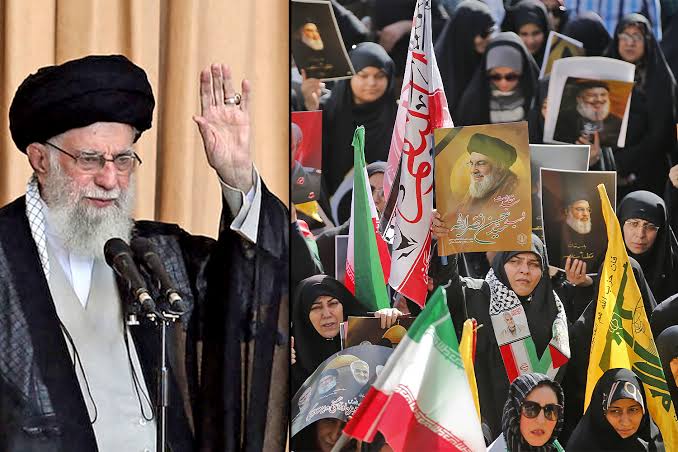
The U.S.–Israel strikes on Iran represent now a decisive shift in regional security dynamics. By targeting strategic military infrastructure, the attacks have elevated the Gulf from a zone of tension to an active theatre of risk. Iran’s capacity for asymmetric retaliation through maritime disruption and proxy escalation remains intact. Energy markets, trade corridors, and alliance structures now face renewed volatility, while major powers recalibrate shifting positions in anticipation of a prolonged period of instability and competitive deterrence ahead globally today.
Trump Can’t Take Greenland – and the World Knows Why

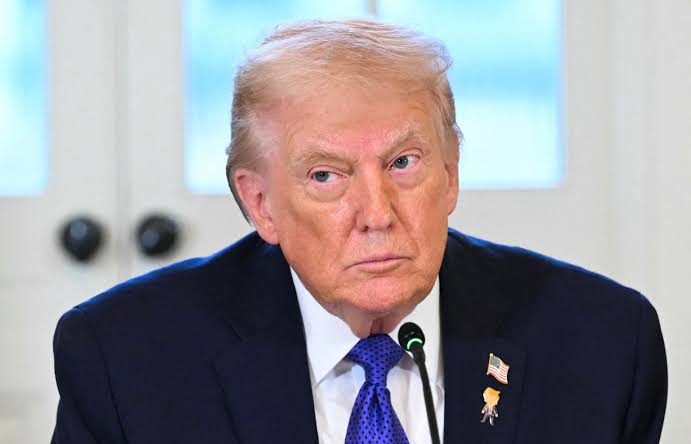
Any attempt by the United States to annex Greenland would collapse under its own contradictions. Washington cannot credibly defend Ukraine’s borders, threaten war over Taiwan’s sovereignty, and simultaneously flirt with territorial acquisition from a NATO ally. Such a move would not signal strength but moral exhaustion, eroding the very principles that give U.S. power global legitimacy. In a rules-based order the U.S. designed, restraint—not expansion—is what sustains leadership.

The House of Lords: A Blueprint for Strengthening Britain’s Democratic Architecture

The future of the House of Lords has become a defining question for British democracy. While calls for abolition grow louder, removing the upper chamber would erode expertise, weaken scrutiny, and concentrate excessive power in the executive. The real opportunity lies in intelligent reform—introducing term limits, strengthening committees, increasing transparency, and modernising appointments. A reformed Lords can offer continuity, strategic insight, and stronger governance at a time when the UK needs long-range thinking more than ever.

Anti-Corruption Agencies in Transitional Democracies: Ukraine and Georgia

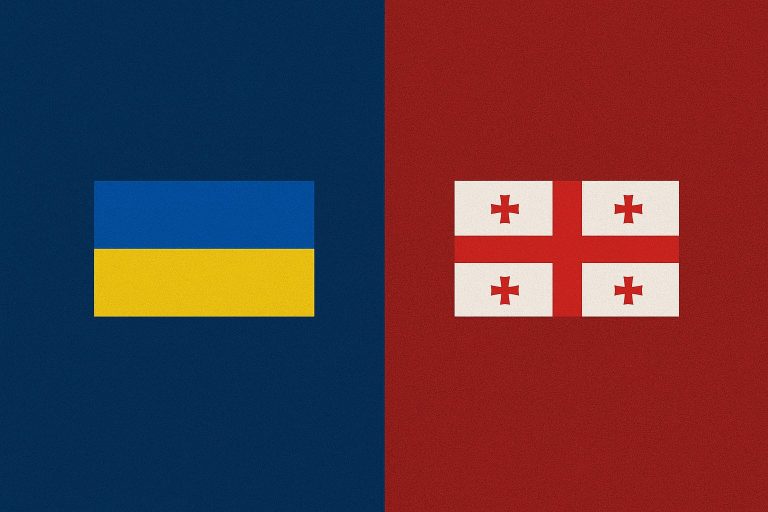
Anti-corruption agencies remain pivotal in transitional democracies, but their impact is context-dependent. In Ukraine, NABU and SAPO resisted political encroachment in mid-2025, with civic mobilization and EU pressure restoring independence, enabling high-level corruption investigations in defense procurement. In Georgia, the Anti-Corruption Bureau is being dismantled, with powers absorbed by a state audit office under executive control, suppressing civil society and signaling democratic backsliding. These cases highlight how anti-graft institutions can either bolster resilience or enable authoritarian consolidation, depending on political context and external leverage.

South Africa, the G20, and the Limits of Host-Nation Power: A Geopolitical Analysis

South Africa’s G20 membership is not America’s to revoke, but Trump’s attempt to bar Pretoria from the summit exposes a deeper crisis in global governance. It signals a sharp downturn in U.S.–South Africa relations, threatens the credibility of the G20, and risks pushing emerging economies closer together against unilateralism. By standing firm, South Africa defends not only its place at the table but the principle that multilateral forums cannot be controlled by any single host.

Putin Over Poland: Why Moscow Would Dare Cross NATO’s Red Line — And What the Alliance Must Do

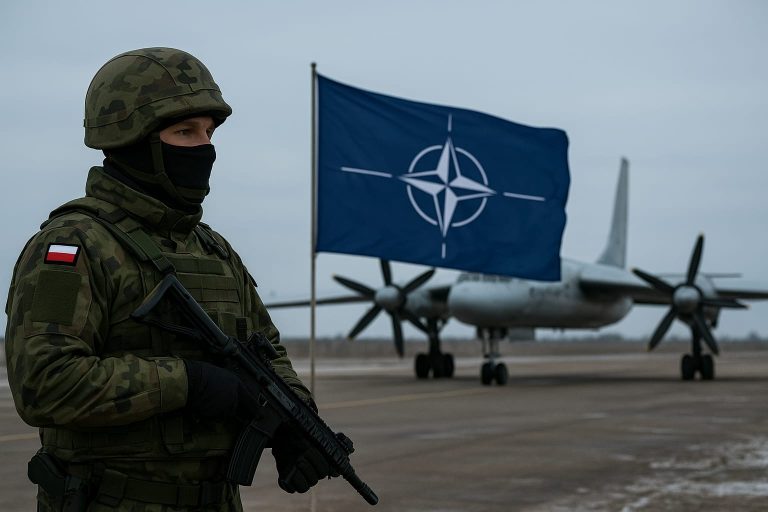
Russia’s drone incursion into Poland underscores the fragility of NATO’s deterrence and the Kremlin’s strategy of probing allied thresholds. Poland, now NATO’s psychological tripwire, faces not just tactical provocations but existential tests of credibility. Moscow’s calibrated violations aim to erode unity, force hesitation, and broadcast weakness. NATO’s response must be decisive: integrated defences, rehearsed protocols, and unified political messaging. Poland is more than geography—it is the frontline of Europe’s collective security, where ambiguity fuels aggression and clarity sustains deterrence.

Guarding Europe’s Eastern Horizon: How NATO and Poland Can Turn Russian Probes into Strategic Strength

As tensions mount on NATO’s eastern flank, Poland emerges as a pivotal actor in defending Europe’s security architecture. Russia’s aerial and cyber probes are not only a threat but also a test of alliance cohesion. By investing in forward defense, intelligence sharing, and rapid-reaction capabilities, Poland and NATO can transform these provocations into opportunities to harden Europe’s eastern horizon, signaling to Moscow that unity and readiness—not hesitation—define the future of European security.

Recognition Without Reconciliation: The Palestine Recognition Shake-Up

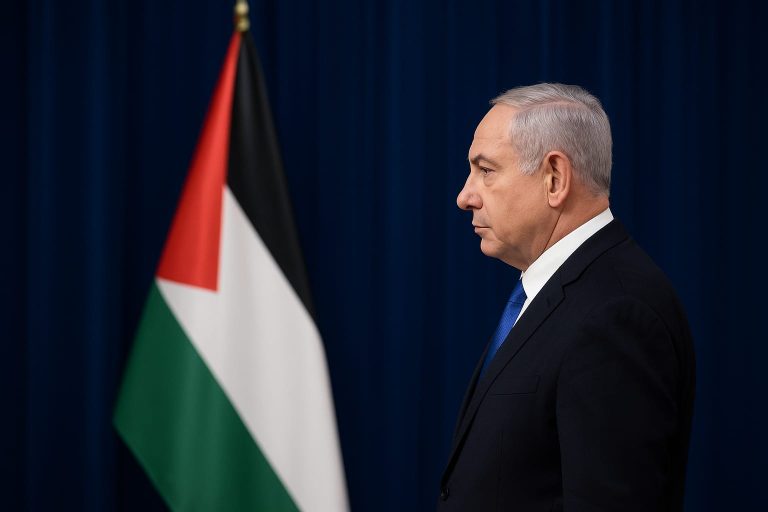
Britain, Canada, and Australia’s recognition of Palestine has upended the diplomatic balance. While Palestinians hail the move as overdue legitimacy, Israeli Prime Minister Netanyahu vows there will be “no Palestinian state,” framing the decision as a reward for extremism. This Western shift pressures Washington, unsettles Arab capitals, and raises expectations for Palestinian governance. Recognition does not create statehood, but it changes the political calculus—forcing Israel, its allies, and its critics to rethink their next moves.

Is Europe About to Be Colonized?

Europe stands at an uncomfortable crossroads, squeezed between Washington and Beijing. As the U.S. reasserts its security dominance and China deepens its economic reach, the continent risks drifting into a 21st-century form of colonial dependency—ceding sovereignty over defense, technology, and supply chains. Without a coherent, purpose-driven vision of its own, the EU could end up reacting rather than leading, becoming a strategic pawn instead of a power in its own right.

India at Tianjin: Modi’s SCO Gambit in a Multipolar World

India enters the SCO summit walking a razor’s edge. Between Russia’s embrace, China’s rivalry, and America’s pressure, New Delhi’s old habit of “working with everyone” is becoming unsustainable. Modi’s meetings with Xi and Putin are more than routine diplomacy—they are tests of India’s strategic agility in a fractured world. The question is no longer whether India can remain non-aligned, but how long it can keep balancing before being forced to choose a side.