Dr Brian O. Reuben

Dr Brian O. Reuben

After The Strike: Why Trump’s Ceasefire Isn’t the Endgame 
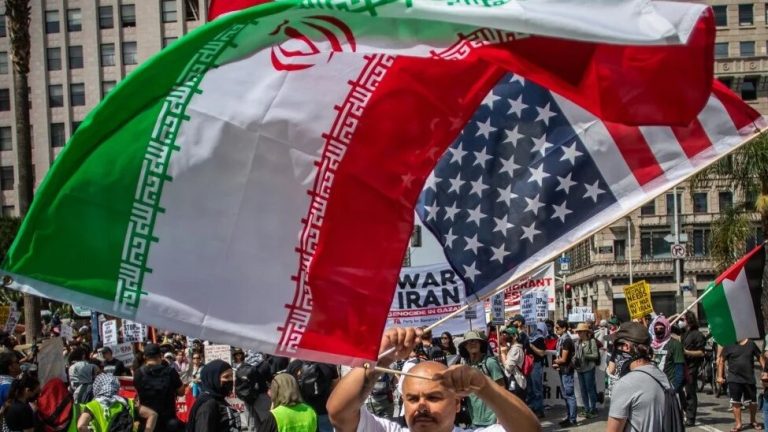
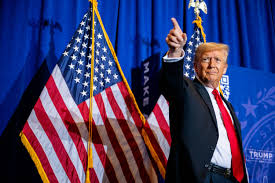
President Trump’s strike on Iran’s nuclear facilities, followed by a surprise ceasefire, has jolted the global order—but it’s not the endgame. This is a high-stakes pause, not peace. The real test lies in converting military leverage into a lasting strategic framework. For Africa and the Global South, the episode signals a shift in U.S. power projection—swift, forceful, then restrained. If not followed by coherent diplomacy, it risks becoming just another spark in a volatile world.

Trump’s High-Stakes Litmus Test: Can Peace Through Strength Survive the Israel–Iran War?

Trump’s doctrine of “peace through strength” faces a defining test in the escalating Israel–Iran war. As Tehran defies U.S. deterrence, Trump must choose between bold retaliation, risky ambiguity, or compromise—each with global consequences. The world is watching, from Beijing to Moscow. Can Trump project credible strength without losing his base or dragging America into war? This isn’t just about the Middle East—it’s a litmus test for U.S. power in a shifting world.

Fortress America Returns: What Allies Must Understand About Trump’s Signature Domestic Policy Push

As President Trump’s second term advances, his signature domestic agenda, the America First Reindustrialization Act, signals a sweeping shift in U.S. economic and strategic policy. Blending nationalism, industrial revival, and security, the act redefines global alliances, challenges trade norms, and aims for economic disentanglement from China. For allies, understanding and adapting to this new U.S. posture is not optional, it’s imperative for navigating a more transactional and strategically assertive America.

Britain Re-Arms: What the UK’s 2025 Strategic Defence Review Really Signals

Britain’s 2025 Strategic Defence Review marks a profound shift from post-Cold War complacency to strategic realism. With increased defence spending, revived industrial capacity, nuclear modernization, and a global military posture, the UK is preparing for long-term global disorder. From missile stockpiles to cyber resilience and AI-driven warfare, the review signals that Britain is rearming not for the last war, but for a future of great-power rivalry and enduring geopolitical turbulence.

How America Powered the Rise of China—Willingly

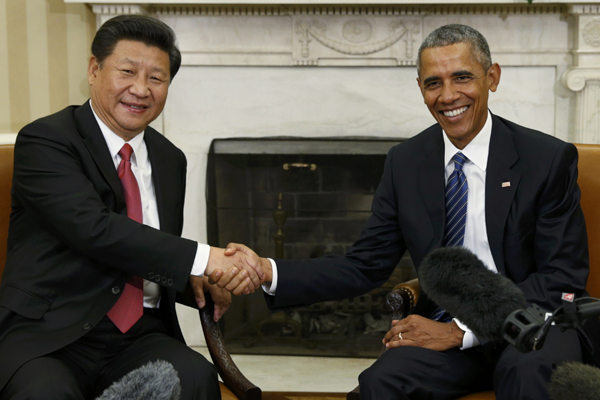
America's engagement with China was built on the belief that economic integration would lead to political liberalization. Instead, the U.S. facilitated China's rise by granting trade privileges, offshoring industries, and sharing technology. This strategy, driven by profit motives and strategic naivety, empowered a rival that now challenges U.S. dominance. Recognizing this, America faces the task of realigning its policies to safeguard national interests and technological sovereignty.

The Second Punch: Why Trump’s Student Visa Freeze Marks a Strategic Shift in U.S.–China Relations

President Trump’s freeze on student visa processing marks a strategic shift in U.S.–China relations. Framed as a response to campus antisemitism, the move is part of a broader effort to decouple from China. By targeting academic exchanges, the administration aims to protect America’s innovation ecosystem from foreign exploitation. This policy, following earlier tariffs, represents the second major strike in a systematic recalibration of U.S. geopolitical and economic priorities.

Tariffs and Trump: Reciprocity or Recklessness?

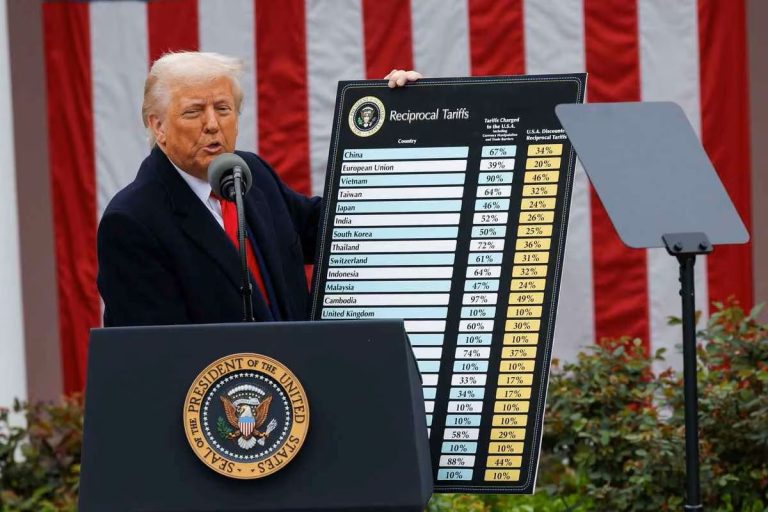
On May 21st, Donald Trump announced sweeping tariffs on EU goods and issued a sharp warning to Apple: move production to the U.S. or face penalties. It’s classic Trump; loud, provocative, and deeply strategic. But is it smart policy or reckless power play? This piece unpacks the logic behind the move, weighing its morality, fairness, and real-world impact in a tense moment for global trade and economic diplomacy.

Global Strategy Nexus – Africa Summit 2025 – Welcome Address & Keynote Speech

At the Global Strategy Nexus – Africa Summit 2025 in Lagos, Dr Brian O Reuben delivers a powerful keynote on Africa’s economic transformation, emphasizing strategic leadership as the linchpin for progress. He challenges delegates to move from declarations to decisive action, calling for visionary, people-centered leadership that drives policy, builds institutions, and unlocks Africa’s full potential.