Dr Brian O. Reuben

Dr Brian O. Reuben

Peru–Indonesia Trade Diplomacy: CEPA Momentum Amid U.S. Tariff Pressures
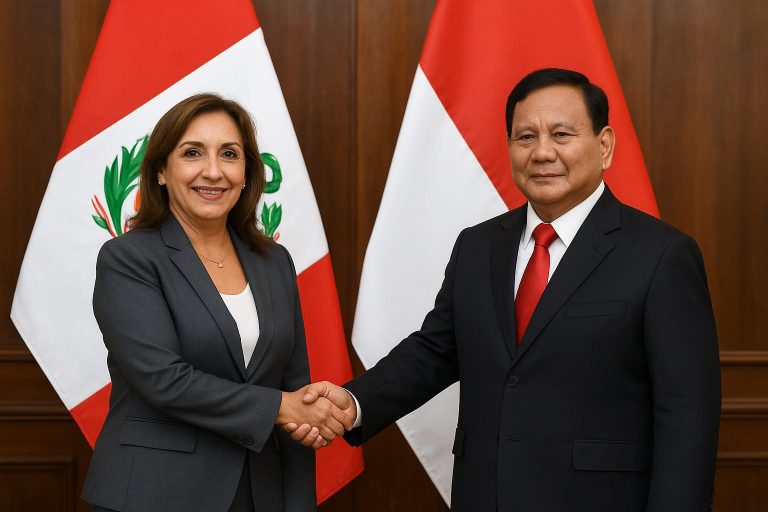
Peruvian President Dina Boluarte and Indonesian President Prabowo Subianto met in Lima to advance economic cooperation amid new U.S. tariffs—19% on Peru and 10% on Indonesia. Central to their talks was the Comprehensive Economic Partnership Agreement (CEPA), expected to be signed soon after being agreed in principle in May. The pact positions Peru as Indonesia’s bridge to Latin America and Indonesia as Peru’s entry into Southeast Asia, reinforcing cooperation in trade, food security, energy, and sustainable development.

Rodrigo Paz Wins Bolivia’s First Round as MAS Loses Power After 20 Years

Centrist senator Rodrigo Paz’s first-round lead in Bolivia’s presidential race marks a historic rupture, ending two decades of Socialist Party dominance. His unexpected surge reflects widespread discontent with economic stagnation, corruption, and polarization under MAS governments. Paz, positioning as a pragmatic reformer, now faces intense runoff pressures from a weakened but mobilized socialist base. The result signals a potential reordering of Bolivian politics, with implications for regional alliances, resource nationalism, and democratic resilience in South America’s shifting landscape.

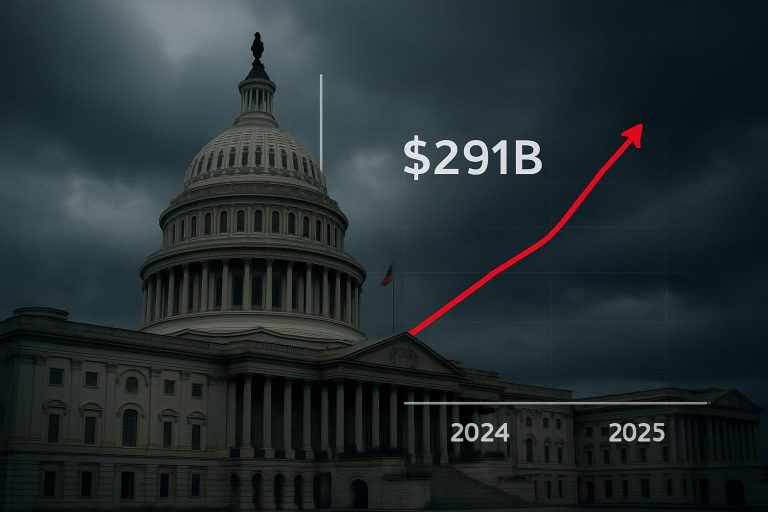
Tariffs Up, Treasury Down: Why Washington’s Red Ink Matter

The U.S. federal deficit widened to $291 billion in July, a 19% year-on-year rise, despite tariff revenues tripling under Trump’s trade regime. Customs duties reached $21 billion, but were eclipsed by surging healthcare, Social Security, and debt service costs. With the year-to-date shortfall at $1.63 trillion, Washington faces a structural imbalance that tariff windfalls cannot offset. Fiscal sustainability now collides with strategic ambition, reshaping America’s capacity to fund defense, sustain alliances, and project power abroad.

Argentina’s Fiscal Gambit: Milei’s Vetoes, Market Signalling, and the Politics of Austerity

In Buenos Aires, President Javier Milei’s veto of congressional bills to expand pensions, disability support, and moratorium extensions underscores his uncompromising libertarian agenda. By blocking spending increases while pushing symbolic measures such as banning Central Bank transfers to the Treasury and criminalising deficit budgets, Milei signals a doctrine of austerity over welfare. He frames social expansion as a threat to fiscal surplus and the peso’s stability, positioning Argentina on a collision course between economic orthodoxy and mounting public discontent.

The Alaska Summit: Why Trump and Putin’s Meeting Marks a Diplomatic Success

The Alaska Summit between Trump and Putin marked a subtle but meaningful diplomatic success. While no ceasefire or land swap was announced, the meeting established common ground, opened channels for future talks, and secured a commitment to reconvene. Trump’s pledge to consult Zelenskyy, NATO, and European allies underscores a process-driven approach rather than unilateralism. History shows that first meetings often set the stage for breakthroughs. By creating momentum and continuity, Anchorage became a quiet step toward potential peace.

Trump’s India Tariff Is Less About Trade 

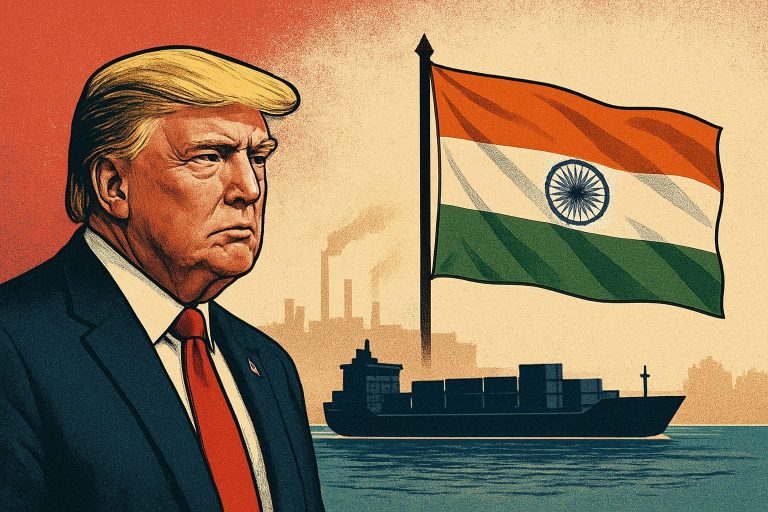
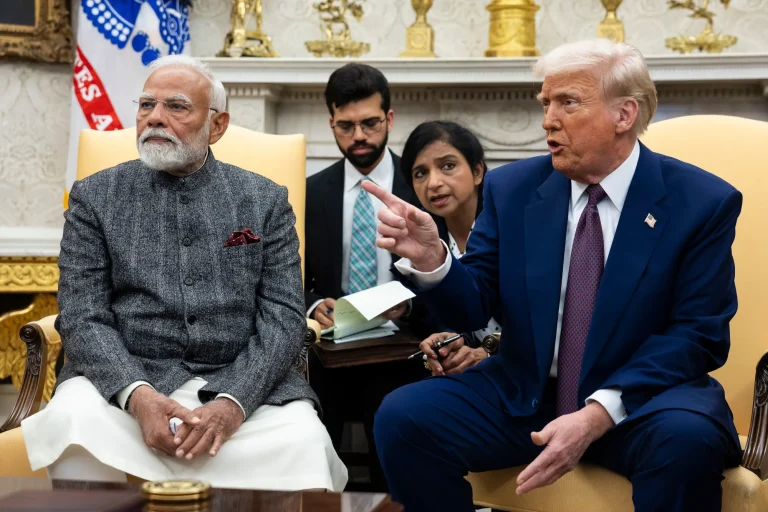
Trump’s tariff on Indian goods is less about trade and more a geopolitical ultimatum. It forces India to choose between aligning with U.S. strategic preferences or facing economic pain. The move targets key sectors like textiles, gems, and auto parts, pressuring India’s hedging strategy amid global power competition. Legal routes like the WTO offer little relief. India must respond swiftly with tactical diplomacy, market diversification, economic restructuring, and a clear narrative asserting its strategic autonomy to preserve sovereignty and growth.

India After the Tariffs: What Next in a World Where the WTO Can’t Save You?

The Trump-era tariff revival against India signals more than a trade dispute—it’s a strategic message. As the U.S. recalibrates its economic alliances, India must confront hard truths: WTO diplomacy won’t suffice. New Delhi must pivot toward resilient trade diversification, domestic manufacturing strength, and assertive bilateral diplomacy. This is not just about steel or solar panels—it’s about global positioning. In the shifting tides of protectionism, India must act not as a victim, but as a counterforce.

Europe’s Trade Reboot: From Liberal Idealism to Strategic Geo-Economics 

Europe’s trade model is undergoing a seismic shift—from liberal idealism to strategic geo-economics. As global power rivalries reshape economic flows, the EU must reforge trade policy as an instrument of statecraft, aligning it with security, resilience, and influence. The age of values-driven trade is ending; purpose-driven trade must begin.

The Last Days of the Nation-State: How Corporations Are Building the Next Global Order 

As governments falter under the weight of debt, disruption, and declining legitimacy, corporations are quietly stepping in—not just to influence the global order, but to construct a new one altogether. From private satellite constellations to platform-enforced speech, a corporate architecture of power is emerging with little democratic oversight. This dispatch traces the end of traditional sovereignty and the rise of algorithmic governance—and asks whether the public still governs the public sphere.

Party Without a Compass: Rediscovering the Democratic Purpose

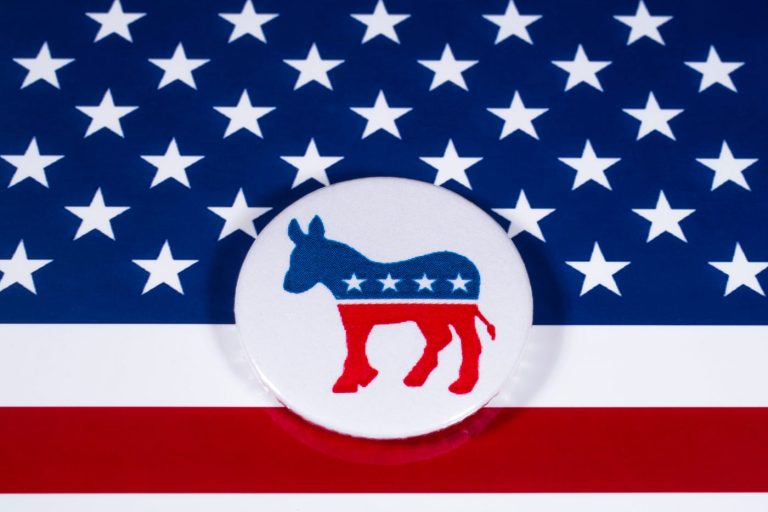
The Democratic Party has lost its strategic compass, trading purpose for performance. Once a force for working-class advancement and global leadership, it now drifts in cultural theatrics and reactive politics. While Republicans rally around power and production, Democrats offer moral outrage and identity slogans. To reclaim relevance, the party must refocus on national interest, economic strength, and institutional reform—or risk becoming politically decorative in a world demanding decisive leadership.