Dr Brian O. Reuben

Dr Brian O. Reuben

China’s Competitive Strategy and Why It’s Difficult to Contain
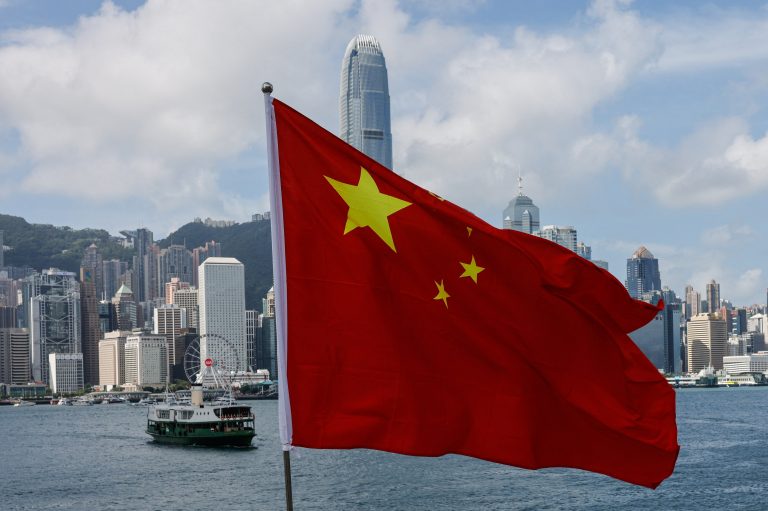
Western countries, particularly the United States, have attempted to counter China through trade wars, technology restrictions, and strategic alliances, yet these measures have largely failed. Instead, China has continued to expand its influence across critical industries, finance, and international infrastructure. The reason for this resilience lies in how China has structured its economic and geopolitical strategy.

Can Europe Defend Itself Without America?

The notion of a self-sufficient European defense raises significant strategic, political, and economic concerns. While European nations possess advanced militaries, robust economies, and a sophisticated defense industry, their ability to deter major threats—particularly from Russia—remains uncertain. This article examines the current state of European defense, its historical reliance on the U.S., and the critical steps the continent would need to take to achieve true strategic autonomy.

Can Europe Survive Trump 2.0?

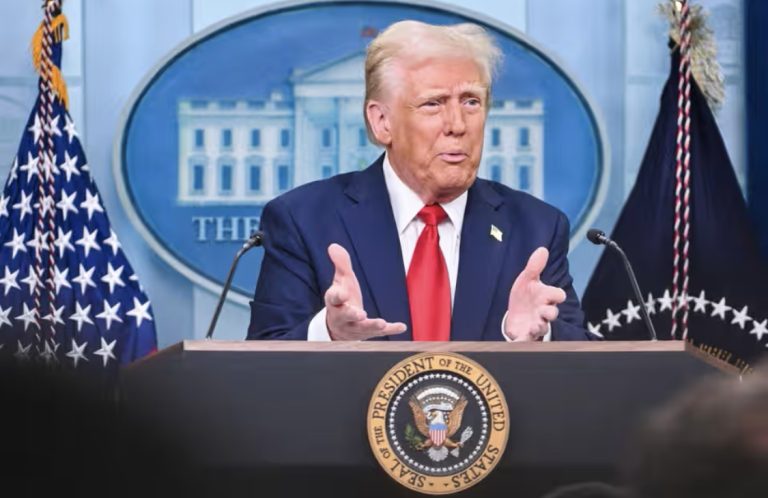
A defining feature of Trump’s presidency has been his protectionist economic stance. He has repeatedly criticized European trade practices, branding them as unfair to American manufacturers and threatening reciprocal tariffs on industries such as automotive and agriculture.

Trump’s Trade Strategy Is Winning: China’s Response Is a Strategic Blunder

The global economic order is shifting, and President Donald Trump is once again proving that his approach to trade and international strategy is yielding results. One of Trump’s key objectives has been to bring manufacturing back to the United States, and China’s aggressive response is inadvertently aiding that goal. Rather than seeking a strategic compromise, China is doubling down on a trade war it cannot afford to sustain.

Paradox of Plenty: The Democratic Republic of Congo’s Resource Curse

The Democratic Republic of Congo (DRC) has been mired in conflict, poverty, and deprivation since the 19th century. The resource curse hypothesis is at the heart of the DRC’s paradox, positing that instead of benefiting from their natural wealth, resource-rich countries often suffer from poor development, weak governance, and slow long-term growth.

Trump Gains the Upper Hand as Panama Breaks from China’s Belt and Road Initiative

The geopolitical landscape in Latin America is shifting as Panama moves to end its cooperation with China’s Belt and Road Initiative (BRI). The United States has long regarded the region as part of its sphere of influence, and China’s BRI expansion has been seen as a direct challenge to that dominance.

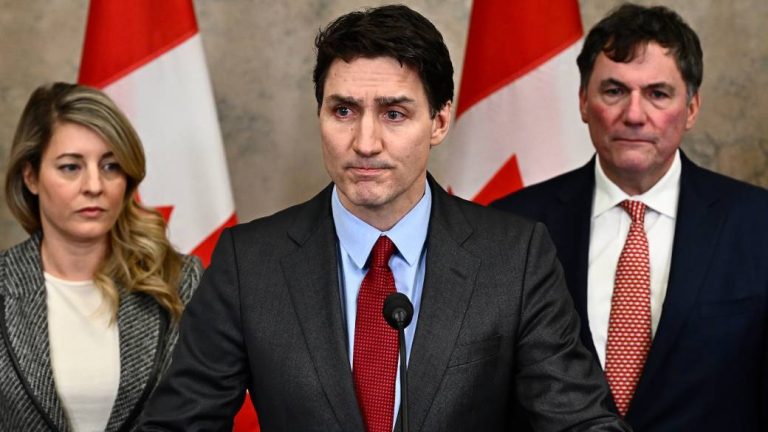
Canada’s Strategic Misstep: Why Trudeau’s Retaliatory Tariffs Were a Costly Mistake and How Canada Can Recover

Unlike larger economies such as China or the European Union, Canada does not have the economic or political leverage to engage in a prolonged trade war with the United States. This makes Trudeau’s response not only impractical but also strategically flawed. If Canada had approached the situation differently—through diplomacy, economic realignment, and targeted negotiations—the outcome could have been more beneficial.

Trump’s Bold Moves: A Shift in Governance and Global Strategy

President Donald Trump’s latest policies and executive orders signal a clear and decisive shift in U.S. governance, domestic affairs, and global strategy. While some view these moves as necessary corrections to past missteps, others warn that they could erode democratic norms, deepen polarization, and weaken U.S. alliances.

What Is China Thinking About Trump and the USA?

Trump’s first term saw an unprecedented trade war between the United States and China, marked by steep tariffs, accusations of currency manipulation, and a deepening mistrust between the world’s two largest economies. Since Donald Trump returned to the White House on January 20, 2025, China has been watching carefully, weighing its options, and recalibrating its strategy.