Dr Brian O. Reuben

Dr Brian O. Reuben

The New Art of Geopolitical Freelancing

Trump’s handshake with Syrian President Ahmed al-Sharaa in Riyadh on 14 May 2025 was not just the revival of US-Syria dialogue—it was a deliberate violation of every expectation set by decades of bipartisan American foreign policy. Only months earlier, Trump had declared Syria to be “not our fight.”

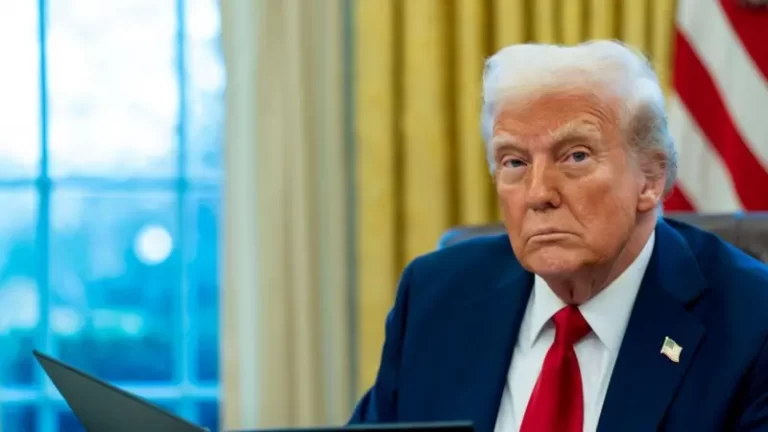
Trump’s High-Stakes Gamble: What Does Trump Really Want?

Standing beside Syrian President Ahmed al-Sharaa, Trump beamed before the cameras, grasping the hand of the man once known for his militant ties and battlefield leadership of Hayat Tahrir al-Sham (HTS)—a group formerly affiliated with al-Qaeda. It was the first direct encounter between a sitting US president and a Syrian leader since...

Trump’s First 100 Days: What It Means for Europe’s Strategic Autonomy

As President Donald J. Trump crosses the 100-day threshold of his second term in office, a new era of transatlantic relations is taking shape. These first 100 days have not only reinforced his "America First" rhetoric, but also reignited critical debates within Europe about the future of its security, economic independence, and geopolitical alignment. For Europe, the message is increasingly clear: strategic autonomy is no longer an aspiration—it is a necessity.

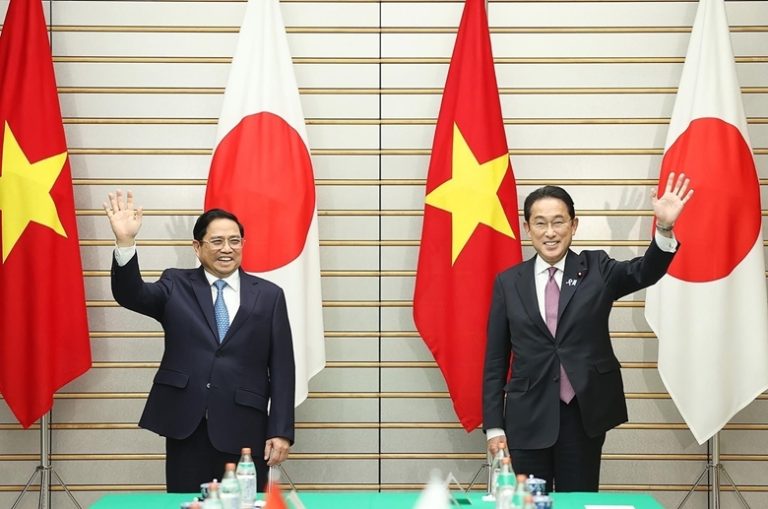
Strategic Alignment in a Fragmented World: Japan-Vietnam Economic Cooperation and the Shifting Balance of Power in Asia

In a world increasingly marked by fragmentation, protectionism, and economic uncertainty, Japan and Vietnam have emerged as proactive leaders seeking to reinforce stability and prosperity through a new bilateral trade pledge. In April 2025, both countries committed to boosting trade and investment flows, while upholding global rules and ensuring the free flow of goods

HSBC Raises Alarm Over Trade War Impact: What It Means for Emerging Markets and Global Stability

When a global financial institution like HSBC increases its bad debt provisions, it means the bank anticipates more customers—individuals, companies, or even governments—will default on their loans. The bank is effectively saying, "We expect tougher times ahead." This isn’t guesswork. It's a move based on internal data, macroeconomic trends, and predictive modeling.

The Great Experiment: How to Make Trump’s Tariffs Work for America

Trump’s tariffs target countries like China and industries where America has been losing competitive ground. The goal is to make it more expensive for U.S. companies to rely on cheap foreign imports, thereby pushing them to manufacture goods domestically. This aligns with his broader “America First” agenda, which aims to bring back jobs, reduce trade deficits, and protect critical industries like steel, semiconductors, and pharmaceuticals

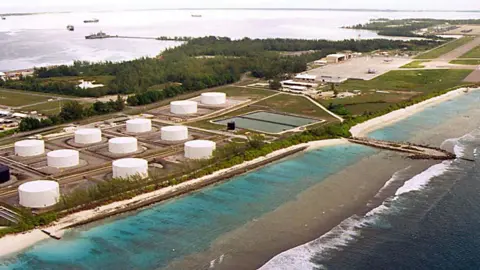
The Chagos Islands Deal: A Pragmatic Resolution Amid Political Backlash

In 2019, the International Court of Justice (ICJ) ruled that Britain’s continued occupation of the islands was illegal and that sovereignty should be transferred to Mauritius. The United Nations General Assembly (UNGA) reinforced this ruling, urging the UK to cede control. However, successive British governments refused, citing strategic security interests.

Prime Minister Starmer’s agreement to transfer sovereignty while securing a 99-year lease for the military base is a long-overdue response to international legal obligations

A New America: The Transformation of U.S. Power Under Trump

These elements have made the United States a superpower, setting the agenda for world affairs. However, under President Trump, these pillars have undergone significant transformations. While some have been reinforced, others have been fundamentally altered, leading to a new era of American power with a distinctly different approach to leadership.

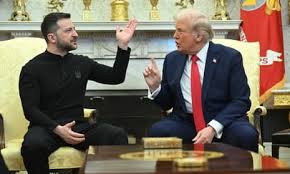
Zelenskyy’s Dilemma: A Choice Between Trump’s Strategy and Europe’s Unrealistic Expectations

From the beginning of Russia’s invasion of Ukraine, Europe has been unwavering in its support for Ukraine, but that support has always come with conditions. European leaders, particularly French President Emmanuel Macron and European Commission President Ursula von der Leyen, have maintained that the war must end on terms that force Russia into retreat. Their insistence on Putin’s capitulation is not just about Ukraine—it’s about the long-term security of Europe.