A New America: The Transformation of U.S. Power Under Trump
These elements have made the United States a superpower, setting the agenda for world affairs. However, under President Trump, these pillars have undergone significant transformations. While some have been reinforced, others have been fundamentally altered, leading to a new era of American power with a distinctly different approach to leadership.

Throughout history, America’s global dominance has rested on several foundational pillars—economic power, military strength, geopolitical strategy, political stability, innovation, and immigration. These elements have made the United States a superpower, setting the agenda for world affairs. However, under President Trump, these pillars have undergone significant transformations. While some have been reinforced, others have been fundamentally altered, leading to a new era of American power with a distinctly different approach to leadership.
Economic Power: Protectionism Over Globalization
One of the most defining features of Trump’s economic policy has been his aggressive stance on trade. Through tariffs on China, Europe, and other trading partners, he has attempted to revive American manufacturing and reduce dependency on foreign markets. His “America First” approach promotes domestic industry, energy independence, and economic nationalism, reducing reliance on imports.
His administration’s tax cuts and deregulation initially spurred business confidence and market growth, but the long-term consequences remain a matter of debate. The stock market has been volatile, reflecting both investor optimism and uncertainty over trade policies. Unlike previous administrations that prioritized globalization, Trump’s economic policies have embraced a protectionist approach—favoring American businesses while making international trade more adversarial.
Military Strength: Less Multilateralism, More Direct Action
Trump has redefined America’s military approach, moving away from nation-building and long-term overseas deployments. He has favored targeted strikes and direct negotiations with adversaries. Under his leadership:
NATO allies have been pressured to contribute more to their own defense, creating tensions but also making Europe take security more seriously.
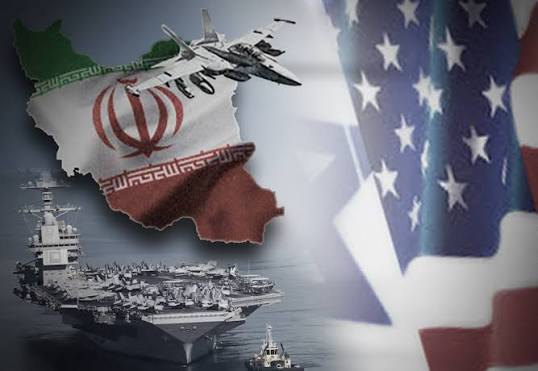
The focus has shifted from prolonged engagements to rapid, strategic military actions, as seen in dealings with Iran and Syria.
Unlike previous administrations that relied on institutional diplomacy, Trump’s approach has involved direct engagement with world leaders, including North Korea’s Kim Jong-un and Russia’s Vladimir Putin.
His America First military policy prioritizes strategic interests over ideological commitments, breaking away from the traditional U.S. role as the world’s policeman.
Geopolitical Strategy: Challenging the Global Order
Trump’s foreign policy has been marked by a fundamental shift in alliances and strategy. He has deprioritized global institutions like the United Nations and even questioned America’s long-standing role in NATO. Instead of strengthening traditional alliances, his administration has:
Pivoted towards bilateral deals, preferring one-on-one agreements over multilateral frameworks.
Taken a confrontational stance on China, engaging in a trade war while restricting Chinese tech companies like Huawei and TikTok.
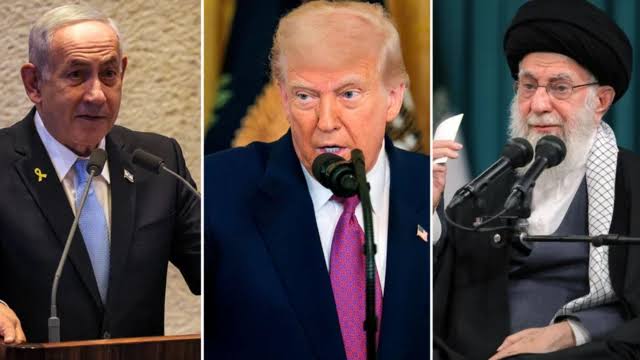
Reshaped Middle East policy, strengthening ties with Israel and Gulf states while increasing pressure on Iran.
Challenged Europe’s stance on global security, arguing that the continent must take greater responsibility for its own defense.
His handling of Ukraine and Russia has also brought uncertainty to America’s commitments in Eastern Europe, leading some allies to question U.S. reliability under his leadership.
Political Stability and Rule of Law: A More Polarized America
Domestically, Trump’s leadership has deepened political polarization. His aggressive use of executive power has bypassed Congress on key issues, fueling accusations of authoritarian tendencies. He has frequently clashed with institutions like the FBI, DOJ, and even the courts, challenging the traditional checks and balances of U.S. governance.
His leadership style has:
Expanded executive power, using executive orders to override congressional deadlock.
Deepened institutional challenges, with agencies facing internal conflicts over his policies.
Heightened political divisions, making bipartisan governance increasingly difficult.
This level of confrontation with U.S. institutions has tested the resilience of American democracy, raising questions about the long-term effects of his governance.
Innovation and Cultural Influence: Nationalism Over Globalism
America’s global cultural and technological dominance remains intact, but Trump’s policies have introduced a nationalist tilt to innovation. His administration’s restrictions on Chinese tech firms and increased scrutiny of foreign investment reflect an effort to secure American technological dominance.
However, his immigration crackdowns have raised concerns about the long-term impact on talent acquisition, particularly in industries like Silicon Valley, where international workers have historically played a crucial role in driving innovation.
Immigration and Demographics: Restricting the Flow
Immigration has long been a key driver of American strength, providing fresh talent and labor while reinforcing the country’s global influence. Trump’s administration, however, has taken a hard stance on immigration, reducing visa approvals and limiting refugee intake. His policies emphasize border security and strict immigration enforcement, arguing that a more controlled immigration system will protect American jobs.
This shift could have long-term consequences, particularly in sectors that rely on foreign workers and innovation. It also alters America’s demographic trajectory, slowing down the population growth that has traditionally fueled economic expansion.
Conclusion: A New America?
Trump’s policies have undeniably reshaped the pillars of American strength. While some argue that his approach restores sovereignty and national pride, others believe it risks weakening America’s global influence by alienating allies and disrupting international cooperation.
The question remains: Is this transformation a necessary correction, or does it mark a decline in America’s global leadership? That debate will continue to shape the country’s future, long after Trump’s presidency.