Timely analysis and commentary drawn from the intelligence work of the Global Policy Intelligence Unit (GPIU).

Where lawmaking meets global foresight—Strategic Dispatch explores bills, reforms, and policy shifts shaping tomorrow’s power balances, economies, and institutions.

Ethiopia’s Regional Influence and Nile Politics

As global power dynamics shift, infrastructure sovereignty is emerging as a decisive frontier of national strategy. From AI regulation to data localization and critical supply chains, states are reasserting control over foundational systems. This Strategic Dispatch explores how these developments are redefining geopolitics and what they mean for long-term competitiveness, security, and influence. For policymakers and corporate leaders alike, navigating this terrain requires a strategic recalibration—one grounded in foresight, coordination, and a sober understanding of evolving global realities.

Read MoreEthiopia’s Regional Influence and Nile Politics

Burundi’s Strategic Withdrawal: Domestic Pressures and the Great Lakes Security Ripple 

Burundi’s planned withdrawal from the African Union mission in Somalia marks a turning point for its military and political landscape. For nearly two decades, AU deployments provided cohesion, professional development, and strategic leverage. Ending this role risks weakening internal discipline, reducing diplomatic influence, and complicating regional security coordination. With tensions in eastern DRC and uneasy relations with Rwanda, the transition could reverberate beyond Burundi’s borders, shaping the stability of the Great Lakes region in the months ahead.

Read MoreBurundi’s Strategic Withdrawal: Domestic Pressures and the Great Lakes Security Ripple 

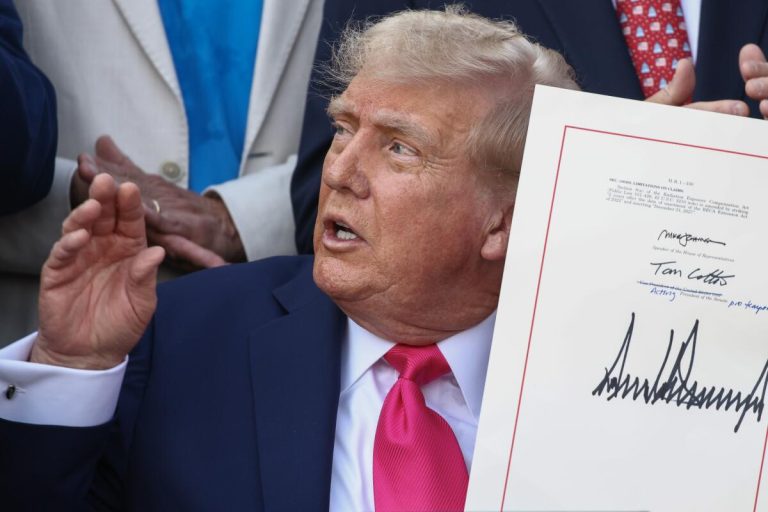
The Big Beautiful Bill: Domestic Vision, Global Ripples

Donald Trump’s “Big Beautiful Bill,” passed on July 4, 2025, delivers sweeping tax cuts and boosts defense and immigration enforcement, but faces sharp criticism over its impact on debt and social safety nets. While the administration touts economic benefits, the bill reallocates Medicaid and SNAP funding to states and imposes new work requirements. Internationally, Trump’s tariff strategy—especially on countries like South Africa—raises economic uncertainty. The bill marks a bold, polarising vision with far-reaching domestic and global implications.

Read MoreThe Big Beautiful Bill: Domestic Vision, Global Ripples

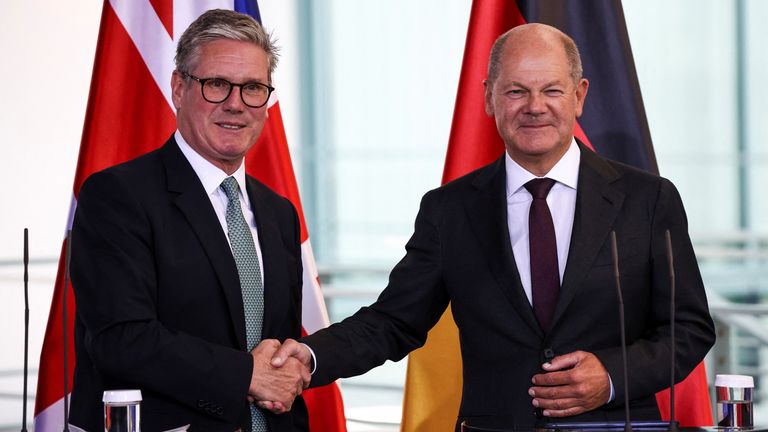
Britain and Germany Cement a New European Defence Order

The UK-Germany defence pact, first signed in 2024, is evolving into a landmark mutual defence treaty with global implications. Anchored in joint missile development, industrial integration, and space cooperation, it signals a new model of European defence leadership. As Britain and Germany deepen their partnership, alongside growing trilateral coordination with France, this agreement reshapes Europe’s strategic landscape—advancing autonomy while reinforcing NATO. The upcoming July 2025 treaty marks a pivotal shift from reactive defence to purposeful, future-driven military architecture.

Read MoreBritain and Germany Cement a New European Defence Order

Privatizing Sovereignty? The Strategic Risks of Governance Vacuums in Fragile States

As state power declines in fragile regions, governance is increasingly shifting to non-state actors—militant groups, corporations, and private investors. From Gaza to tech-run cities, sovereignty is no longer exclusive to nations. This brief examines the rise of private governance, its geopolitical drivers, and the risks it poses to legitimacy, stability, and diplomacy. The future of power may lie not in parliaments, but in boardrooms, algorithms, and fortified zones.

Read MorePrivatizing Sovereignty? The Strategic Risks of Governance Vacuums in Fragile States

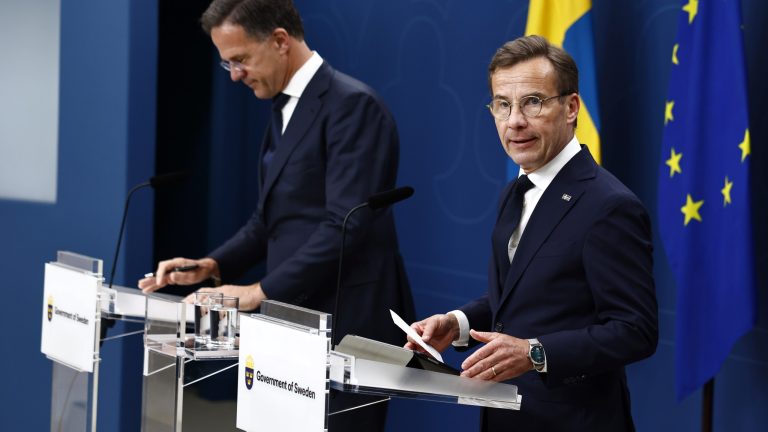
Sweden Commits 5% of GDP to Domestic and NATO Security

Sweden has unveiled one of the most ambitious defence investments in its modern history, committing to allocate 5% of its GDP to national and NATO security by 2030. The multi-party agreement includes $31 billion in new spending to modernise Sweden’s military and civil defence. As geopolitical tensions escalate, particularly around the Baltic, Stockholm’s move positions it as a frontline NATO contributor. However, balancing long-term ambition with economic and operational constraints will test Sweden’s resilience and readiness in the years ahead.

Read MoreSweden Commits 5% of GDP to Domestic and NATO Security

Global Threat Report Evaluates National Security Challenges Facing Trump Administration

The U.S. Defence Intelligence Agency has released its annual threat assessment report in May 2025 offering a comprehensive appraisal of evolving global security challenges facing the United States. The report underscores the growing complexity of modern threats, shaped by rapid technological advancements and geopolitical rivalries.

Read MoreGlobal Threat Report Evaluates National Security Challenges Facing Trump Administration

Fortress America Returns: What Allies Must Understand About Trump’s Signature Domestic Policy Push

As President Trump’s second term advances, his signature domestic agenda, the America First Reindustrialization Act, signals a sweeping shift in U.S. economic and strategic policy. Blending nationalism, industrial revival, and security, the act redefines global alliances, challenges trade norms, and aims for economic disentanglement from China. For allies, understanding and adapting to this new U.S. posture is not optional, it’s imperative for navigating a more transactional and strategically assertive America.

Read MoreFortress America Returns: What Allies Must Understand About Trump’s Signature Domestic Policy Push

Britain Re-Arms: What the UK’s 2025 Strategic Defence Review Really Signals

Britain’s 2025 Strategic Defence Review marks a profound shift from post-Cold War complacency to strategic realism. With increased defence spending, revived industrial capacity, nuclear modernization, and a global military posture, the UK is preparing for long-term global disorder. From missile stockpiles to cyber resilience and AI-driven warfare, the review signals that Britain is rearming not for the last war, but for a future of great-power rivalry and enduring geopolitical turbulence.

Read MoreBritain Re-Arms: What the UK’s 2025 Strategic Defence Review Really Signals