Timely analysis and commentary drawn from the intelligence work of the Global Policy Intelligence Unit (GPIU).

Where lawmaking meets global foresight—Strategic Dispatch explores bills, reforms, and policy shifts shaping tomorrow’s power balances, economies, and institutions.

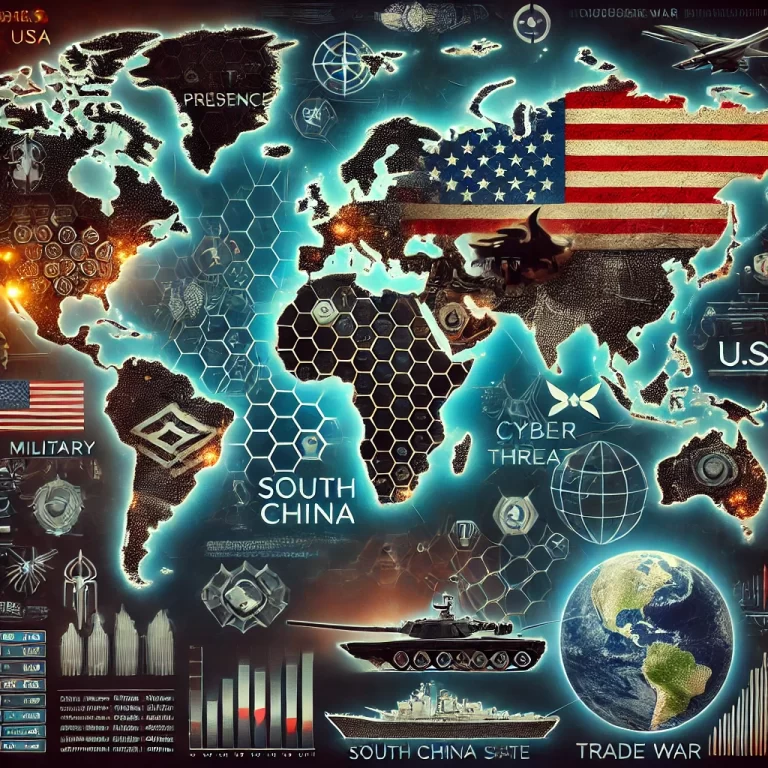
New U.S. Defense Strategy: The Golden Dome and its Strategic Implications

The U.S. military currently has several programmes focussed on missile defense designed to intervene at different stages of a missile’s flight and missile types, ensuring coverage against a variety of aerial threats. One such example is the Terminal High Altitude Area Defense or THAAD program under the aegis of the U.S. Missile Defense Agency that is charged with the task of developing a defense system to intercept and destroy short, medium, and intermediate-range ballistic missiles during the final stage of their flight as they re-enter the atmosphere.
Read MoreNew U.S. Defense Strategy: The Golden Dome and its Strategic Implications

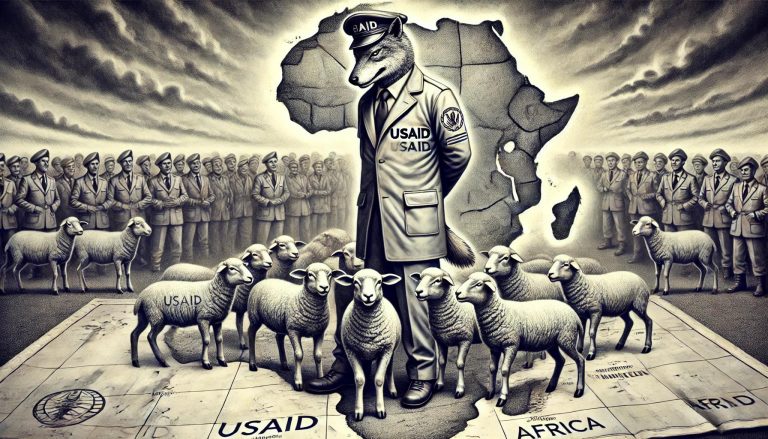
USAID: A Wolf in Sheep’s Clothing in Africa

Rather than fostering sustainable growth, USAID has entrenched Africa in cycles of dependency, undermined local industries, and facilitated the continued plundering of the continent’s vast natural wealth. This article unveils the evidence behind USAID’s true role in Africa and highlights how leaders like Captain Ibrahim Traoré of Burkina Faso are forging a bold path towards sovereignty, free from the manipulative grip of foreign aid.

Read MoreUSAID: A Wolf in Sheep’s Clothing in Africa

Namibia’s Bold Visa Policy Shift: A Turning Point for Africa’s Global Standing

This decision is not just about travel; it is a statement of sovereignty, a demand for fairness, and a bold step towards reshaping international relations. Namibia is sending a clear message: if Namibians must go through bureaucratic hurdles and costly visa applications to visit certain countries, then citizens of those nations must undergo the same process.

Read MoreNamibia’s Bold Visa Policy Shift: A Turning Point for Africa’s Global Standing

Inga 3 Hydropower Plant

The Inga 3 Hydropower Plant project is one of Africa’s most ambitious energy initiatives. Envisaged as a critical component of the Grand Inga vision, it aims to generate 11,050 MW by harnessing the immense hydropower potential of the Congo River. This in-depth analysis explores why the project is vital for Africa’s sustainable development, examines the challenges and opportunities it presents, and outlines the tangible steps that the Democratic Republic of Congo (DRC), the African Union, and investors must take to ensure its success.

Read MoreInga 3 Hydropower Plant

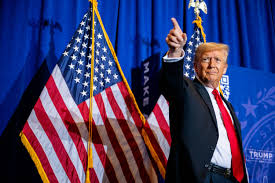
Trump’s Second Term: A Turning Point or a Return to the Past?

Trump wasted no time in making his stance on what he calls the "woke agenda" unequivocally clear. His administration has already begun dismantling federal diversity, equity, and inclusion (DEI) initiatives, prioritising a merit-based approach in hiring and government contracts. "Whether you're a doctor, an accountant, or an air traffic controller, you should be hired based on your skill and competence, not race or gender," he declared, signalling a direct challenge to affirmative action policies.

Read MoreTrump’s Second Term: A Turning Point or a Return to the Past?

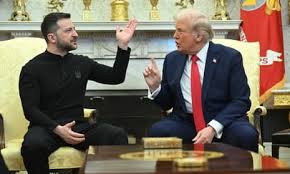
Zelenskyy’s Dilemma: A Choice Between Trump’s Strategy and Europe’s Unrealistic Expectations

From the beginning of Russia’s invasion of Ukraine, Europe has been unwavering in its support for Ukraine, but that support has always come with conditions. European leaders, particularly French President Emmanuel Macron and European Commission President Ursula von der Leyen, have maintained that the war must end on terms that force Russia into retreat. Their insistence on Putin’s capitulation is not just about Ukraine—it’s about the long-term security of Europe.

Read MoreZelenskyy’s Dilemma: A Choice Between Trump’s Strategy and Europe’s Unrealistic Expectations

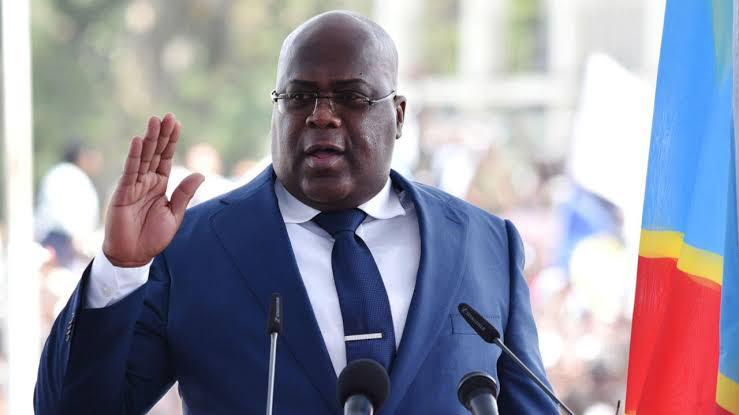
President Tshisekedi’s Call for National Unity Against Rebel Terror and Economic Sabotage

This comprehensive report explores the evidence behind the president’s call, the fears gripping communities in rebel-held areas, the economic repercussions of strategic area seizures, and the breach of both national constitutional provisions and international law. By integrating verified facts, statistics, and firsthand accounts, this article aims to offer a balanced and evidence-based narrative that calls for unity and decisive action.

Read MorePresident Tshisekedi’s Call for National Unity Against Rebel Terror and Economic Sabotage