DRC Cannot Still Be a Crying Baby in the Region – Former President Joseph Kabila
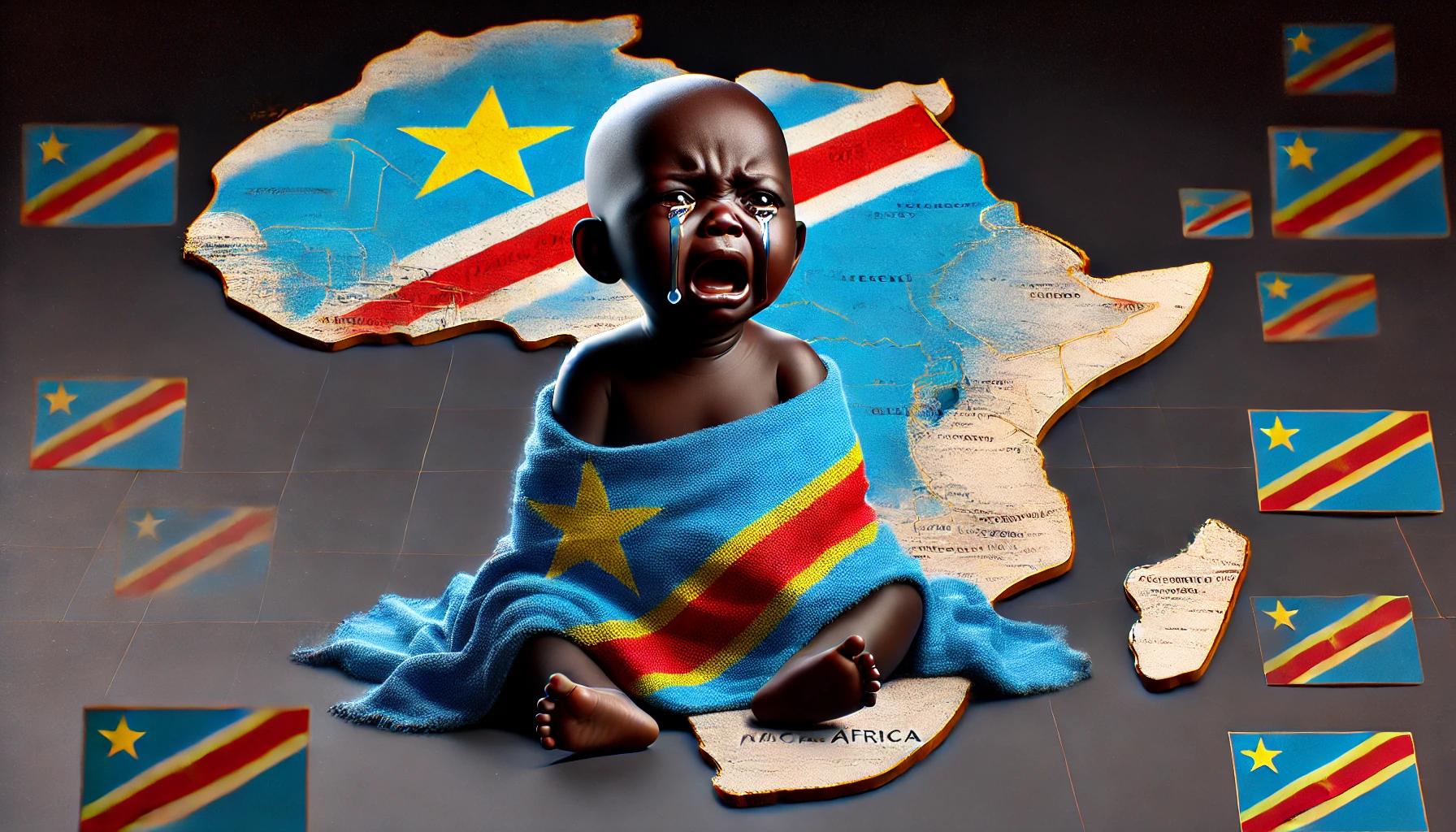
Former President Joseph Kabila, in a recent statement, challenged this enduring narrative, asserting that “the DRC cannot continue to be a crying baby in the region.” His remark underscores a fundamental issue: the need for the DRC to take ownership of its challenges, strengthen governance, and assert its sovereignty.

The Democratic Republic of Congo (DRC) has long been entangled in conflicts, political instability, and external interference, leaving it vulnerable to crises that disrupt national growth. Former President Joseph Kabila, in a recent statement, challenged this enduring narrative, asserting that “the DRC cannot continue to be a crying baby in the region.” His remark underscores a fundamental issue: the need for the DRC to take ownership of its challenges, strengthen governance, and assert its sovereignty.
The statement comes at a critical time when the country faces renewed violence in its eastern region, strained diplomatic relations with neighbours, and economic stagnation despite its vast natural wealth. This article explores the implications of Kabila’s statement, examining historical contexts, ongoing challenges, regional dynamics, and the necessity of internal reforms to ensure the DRC’s progress.
The Legacy of Instability: Why is the DRC Perceived as Weak?
The DRC’s troubled past is marked by colonial exploitation, dictatorship, and persistent armed conflicts. These historical factors have left the country in a cycle of dependency on external actors for mediation, security, and economic assistance.
1. Colonial and Post-Independence Turmoil
The roots of instability trace back to Belgium’s exploitative colonial rule (1908–1960), which left the country ill-prepared for independence. The assassination of Patrice Lumumba in 1961 and the subsequent dictatorship of Mobutu Sese Seko (1965–1997) entrenched corruption and weakened state institutions.
2. The Congo Wars and Foreign Interference
Between 1996 and 2003, the DRC suffered two devastating wars involving multiple African nations, often referred to as “Africa’s World War.” Rwanda, Uganda, Angola, and Zimbabwe, among others, had vested interests in the conflict, largely due to the DRC’s vast mineral wealth. Though peace agreements were signed, instability persisted, particularly in the eastern regions.
3. The Persistent Conflict in Eastern DRC
The DRC’s eastern region remains volatile, with armed groups like the M23 rebels, CODECO, and the ADF contributing to violence. The government’s reliance on regional peacekeeping forces, such as the East African Community Regional Force (EACRF) and the United Nations Organization Stabilization Mission in the DRC (MONUSCO), has reinforced perceptions of weakness.
Kabila’s statement suggests that instead of continually seeking external solutions, the DRC must strengthen its governance, security forces, and national unity.
Kabila’s Perspective: A Shift Towards Internal Responsibility
Kabila’s leadership (2001–2019) was marked by efforts to stabilise the country through military restructuring, political reforms, and economic investments. However, critics argue that his tenure also witnessed corruption, electoral controversies, and failure to fully eradicate armed groups.
Despite this, his recent remarks point to a crucial argument: the DRC must acknowledge its internal weaknesses and take proactive measures to address them.
1. The Need for Internal Reforms
One of Kabila’s key points was the importance of reflecting on internal governance failures. Since Félix Tshisekedi took office in 2019, there have been attempts to strengthen national institutions, but progress has been slow. Poor governance, corruption, and weak rule of law continue to hinder development.
According to Transparency International, the DRC ranked 166th out of 180 countries in the 2023 Corruption Perceptions Index. This highlights the urgency of institutional reforms to build a capable and independent government.
2. Economic Self-Sufficiency
Despite being one of the richest countries in natural resources—including over 70% of the world’s cobalt reserves—the DRC remains economically dependent on foreign investments and aid. The World Bank reported that over 62% of the population lives on less than $2.15 per day (as of 2022), reflecting the stark contrast between resource wealth and economic reality.
If the DRC harnessed its mineral wealth effectively through transparent policies, stronger local industries, and better revenue management, it could reduce its reliance on foreign economic interventions.
3. Strengthening National Security
The reliance on foreign troops and peacekeeping forces has been a contentious issue. While regional and international military interventions have provided short-term relief, they have not addressed the root causes of insecurity.
Kabila’s statement implies that the Congolese Armed Forces (FARDC) must be empowered to handle internal security without excessive dependence on foreign troops. This would require:
• Increased defence budget to modernise military equipment and training.
• Improved intelligence capabilities to counter rebel groups effectively.
• Stronger border security to prevent foreign-backed insurgencies.
The Role of Regional and International Actors
1. The Impact of Rwanda and Uganda
Rwanda and Uganda have historically been accused of backing rebel groups in the DRC, particularly the M23. While Kabila stopped short of directly accusing any country, his message emphasised that external threats would not be successful if the DRC strengthened itself internally.
2. The African Union and Regional Initiatives
The DRC has engaged in various regional peace talks, including the Luanda and Nairobi peace processes. However, Kabila questioned the effectiveness of peace efforts led by external actors, advocating instead for a more Congolese-led approach to nation-building.
3. The Role of International Peacekeeping Forces
MONUSCO has been operating in the DRC since 1999 but has faced criticism for its inefficiency. Recent protests in Goma (2022) saw Congolese citizens demanding MONUSCO’s withdrawal, arguing that its presence had not significantly improved security.
The Path Forward: A Stronger, Self-Sufficient DRC
If the DRC is to shed the image of a “crying baby” in the region, several strategic actions must be undertaken:
1. Political and Institutional Strengthening
• Implement stronger anti-corruption measures to improve governance.
• Ensure free and fair elections to restore public trust.
• Decentralise governance to empower provincial administrations.
2. Economic Reforms
• Invest in local mineral processing industries to reduce export dependency.
• Improve infrastructure and energy sectors to support business growth.
• Strengthen trade relations with neighbouring countries on fair terms.
3. Military and Security Enhancements
• Conduct military reforms to improve efficiency and accountability.
• Develop local defence industries to reduce reliance on foreign arms.
• Enhance community-based security initiatives to prevent rebel recruitment.
Conclusion: Time for the DRC to Rise
Joseph Kabila’s statement is a wake-up call for the DRC. While external factors contribute to the country’s challenges, the most critical solutions lie within. Governance reforms, economic independence, and a stronger national security strategy are essential for the DRC to assert itself as a stable and influential nation in Africa.
The Congolese people deserve a country that is not constantly at the mercy of foreign interventions, economic instability, and conflict. The responsibility now lies with the nation’s leaders and citizens to take proactive steps toward a future where the DRC is no longer seen as a fragile state but as a formidable force in the region.
If the DRC embraces this challenge, it can truly transition from being the “old man” of the region to a leading powerhouse in Africa. The time for excuses is over—Congo must rise.
Aric Jabari is the Editorial Director at the Sixteenth Council