
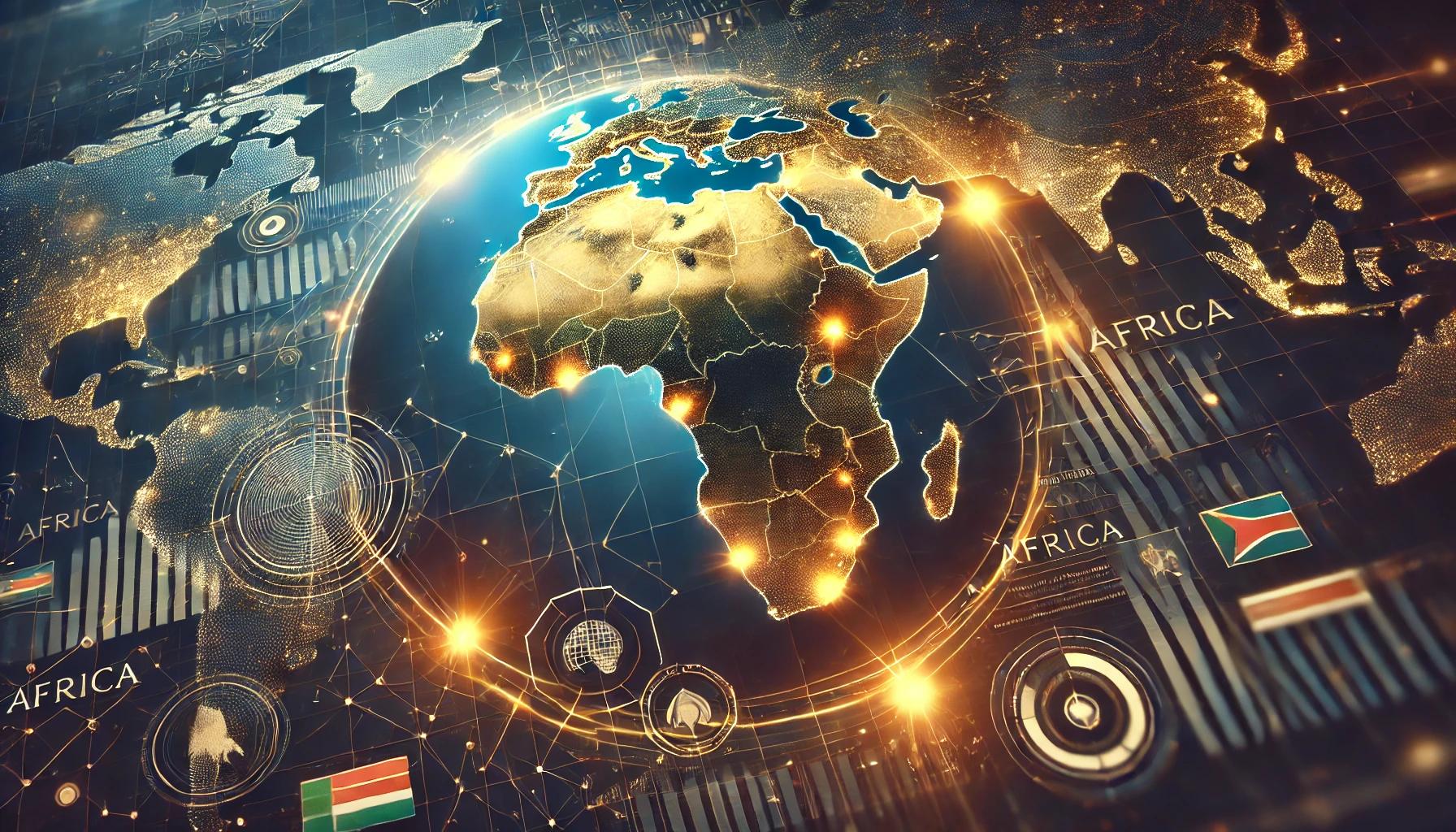
Geopolitics: Its Significance and Functioning in Africa
Africa, with its vast natural resources, strategic maritime routes, and growing political influence, is a focal point in global geopolitics. From the colonial era to contemporary power struggles, external and internal forces have shaped the continent’s trajectory.

I. Introduction
Geopolitics is the study of how geography, natural resources, and territorial positioning influence global power structures, international relations, and economic policies. Coined by Swedish political scientist Rudolf Kjellén in the early 20th century, the term describes the intersection of geography and political power (Britannica).
Africa, with its vast natural resources, strategic maritime routes, and growing political influence, is a focal point in global geopolitics. From the colonial era to contemporary power struggles, external and internal forces have shaped the continent’s trajectory. Superpowers—including China, the United States, and the European Union—compete for influence, while African nations seek to assert their sovereignty through economic policies, regional alliances, and political realignments.
This article examines why geopolitics matters, how it operates in Africa, and presents real case studies with verifiable facts and evidence.
II. Why Geopolitics Matters
Geopolitics is central to Africa’s development, stability, and global standing. It affects governance, security, and economic policies in the following ways:
1. Resource Competition and Economic Influence
Africa holds approximately 30% of the world’s mineral reserves, 8% of its natural gas, and 12% of its oil supplies (African Development Bank). These resources fuel global industries, making Africa a target for economic partnerships and geopolitical rivalries.
• China’s Belt and Road Initiative (BRI) has financed major infrastructure projects across Africa in exchange for access to critical resources. However, concerns over debt dependency persist.
• Western nations, led by the United States and European Union, counterbalance China’s presence through trade agreements and diplomatic engagement.
• Russia and Middle Eastern countries have expanded their stakes in Africa’s energy and mining sectors, further complicating the geopolitical landscape.
These economic manoeuvres directly impact African economies, influencing employment, trade policies, and national sovereignty.
2. Strategic Military Presence and Security Interests
Africa’s geographical positioning—bordering key maritime routes such as the Suez Canal and the Strait of Gibraltar—makes it vital for global security. As a result, foreign military operations have expanded:
• United States: Through AFRICOM, the U.S. maintains military partnerships in Djibouti, Kenya, and Niger, focusing on counterterrorism.
• France: Historically influential in West Africa, France’s military presence has declined following troop withdrawals from Mali and Niger.
• Russia: The Wagner Group provides military support to African governments in exchange for resource concessions.
• China: China’s first overseas military base in Djibouti highlights its strategic ambitions beyond economic influence.
Africa’s security policies are increasingly shaped by these foreign military interests, raising concerns about sovereignty and stability.
3. Political Stability and Governance
Geopolitical competition influences Africa’s domestic politics. Former colonial powers maintain economic and political ties, shaping governance structures. For instance:
• The CFA franc, used by 14 African nations, remains pegged to the euro, giving France indirect control over their economies.
• Democratic transitions and military coups are often linked to external interests. Western nations impose sanctions on coup-led governments, while Russia and China offer alternative diplomatic and economic support.
Geopolitics, therefore, plays a decisive role in determining whether African states remain politically independent or reliant on foreign influence.
III. How Geopolitics Works in Africa
Africa’s geopolitical environment is shaped by historical, economic, and security factors.
1. The Colonial Legacy and Arbitrary Borders
The 1884–1885 Berlin Conference, where European powers divided Africa without considering ethnic or cultural boundaries, created long-term geopolitical instability. This arbitrary partitioning has led to:
• Border disputes, such as the long-standing tensions between Ethiopia and Eritrea.
• Ethnic conflicts, seen in Rwanda’s history and South Sudan’s secession from Sudan.
• Fragmented economic development, as some countries struggle with access to strategic resources due to colonial-era boundaries.
These inherited challenges still influence Africa’s geopolitical positioning today.
2. Foreign Influence in Domestic Affairs
External actors use economic and political strategies to maintain their foothold in Africa:
• China: Invests in infrastructure to expand its influence.
• The U.S. and EU: Promote governance reforms and military aid.
• Russia: Supports military regimes in exchange for resource rights.
• The Middle East: Gulf nations invest in agriculture and energy.
These competing interests shape Africa’s economic and political policies.
3. The Role of Regional Organisations
African nations have sought to counterbalance external pressures through regional alliances:
• The African Union (AU) mediates conflicts and promotes economic integration.
• The Economic Community of West African States (ECOWAS) enforces sanctions and diplomatic measures against military regimes.
• The Southern African Development Community (SADC) strengthens trade cooperation.
While these organisations play crucial roles, their effectiveness is often undermined by external pressures and internal political divisions.
IV. Case Studies of Geopolitics in Africa
1. The Tazara Railway: China’s Early Geopolitical Investment
In the 1970s, China built the Tazara Railway, connecting Tanzania and Zambia. This infrastructure project symbolised China’s geopolitical ambitions in Africa and laid the groundwork for its modern-day investments under the Belt and Road Initiative (Financial Times).
2. Ethiopia’s Tigray Conflict and Regional Implications
The war in northern Ethiopia, involving the Tigray People’s Liberation Front (TPLF), escalated tensions in the Horn of Africa. Foreign powers, including the U.S. and EU, imposed sanctions on Ethiopia, while neighbouring Eritrea became involved in military operations. This conflict illustrates how internal African disputes often have international repercussions (BBC News).
3. Resource Nationalisation in the Sahel
Military-led governments in Mali, Burkina Faso, and Niger have taken control of key industries, expelling foreign mining companies and asserting sovereignty over natural resources. This trend, known as resource nationalism, reflects a broader movement towards economic independence from former colonial powers (Financial Times).
V. Conclusion
Geopolitics shapes Africa’s development, governance, and international positioning. The continent’s rich resources, strategic location, and political dynamics make it a global focal point for economic and military competition. However, Africa’s future depends on its ability to:
• Strengthen regional cooperation through organisations like the AU and ECOWAS.
• Negotiate fairer trade agreements that prioritise national interests over foreign dependency.
• Invest in infrastructure, education, and security to reduce reliance on external actors.
Africa’s geopolitical landscape is evolving, with increasing efforts to reclaim sovereignty over resources, governance, and economic policies. By fostering strategic alliances that benefit its people, Africa can position itself as an equal player in global geopolitics.
As international interest in Africa intensifies, understanding the continent’s geopolitical realities is essential for policymakers, investors, and citizens alike. The future belongs to those who can navigate these complexities with strategic foresight and a commitment to African-led solutions.
Aric Jabari is the Editorial Director at the Sixteenth Council

Critical Minerals and the Green Transition: Europe’s New Dependency Risk