Global Strategy Nexus- Africa Summit 2025 – Legislating for Leadership: Can Africa’s Laws Keep Pace with Private Sector Ambition

Africa’s private sector drives more than 60 percent of our jobs and nearly 70 percent of our collective GDP. It is the engine that will power sustainable growth across our nations. Yet this engine must run on the fuel of a modern, predictable, and responsive legal framework.

Read MoreGlobal Strategy Nexus- Africa Summit 2025 – Legislating for Leadership: Can Africa’s Laws Keep Pace with Private Sector Ambition

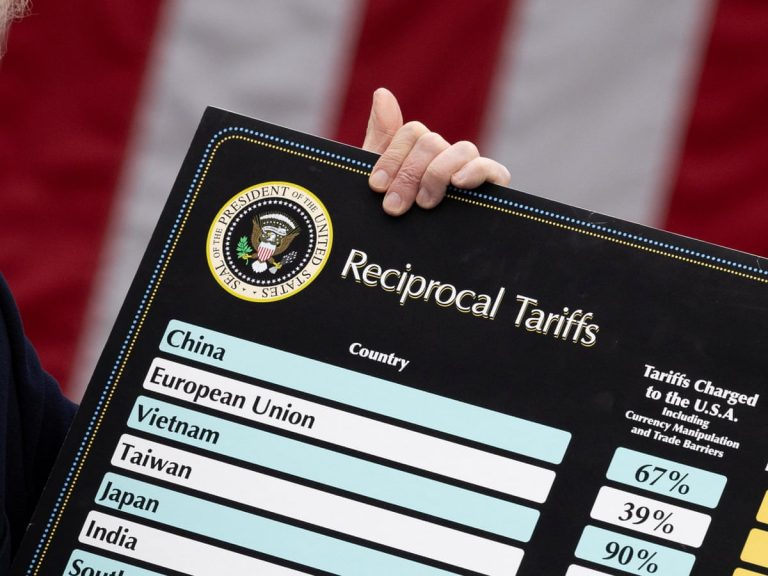
Tariffs, Inflation, and the Looming Recoil: Is the U.S. Economy Headed Toward a Storm?

Donald Trump was swept into office by voters frustrated with the price inflation of everyday necessities; rising cost of milk, bread, and eggs had become symbols of deepening economic strain. His campaign promise to rein in inflation, protect American workers, and bring manufacturing back to U.S. soil struck a chord with the middle class.

Read MoreTariffs, Inflation, and the Looming Recoil: Is the U.S. Economy Headed Toward a Storm?

Improving Monetary Policy Frameworks in Sub-Saharan Africa

Shallow financial sectors mean policy changes often fail to trickle down to ordinary people. Over 65% of Africans remain unbanked and outside the formal credit system . Dollarisation, especially in Zimbabwe, the DRC, and South Sudan, has corroded domestic monetary authority. In the DRC, over 90% of transactions are in US dollars . Weak data systems make real-time policy adjustments nearly impossible. In many countries, reliable inflation data arrives weeks or months late

Read MoreImproving Monetary Policy Frameworks in Sub-Saharan Africa

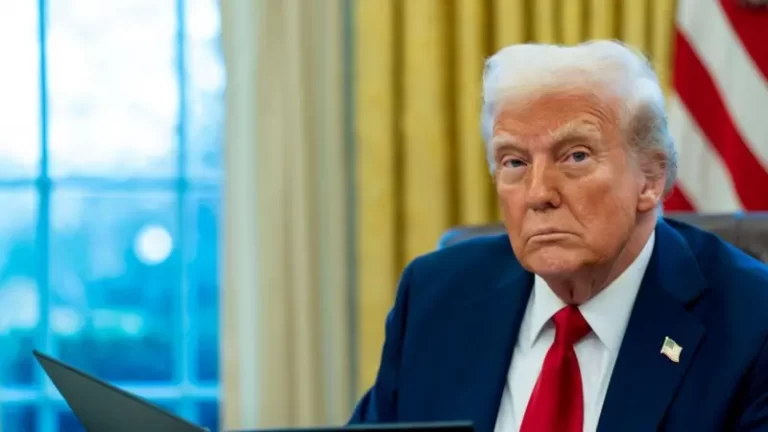
Trump’s First 100 Days: What It Means for Europe’s Strategic Autonomy

As President Donald J. Trump crosses the 100-day threshold of his second term in office, a new era of transatlantic relations is taking shape. These first 100 days have not only reinforced his "America First" rhetoric, but also reignited critical debates within Europe about the future of its security, economic independence, and geopolitical alignment. For Europe, the message is increasingly clear: strategic autonomy is no longer an aspiration—it is a necessity.

Read MoreTrump’s First 100 Days: What It Means for Europe’s Strategic Autonomy

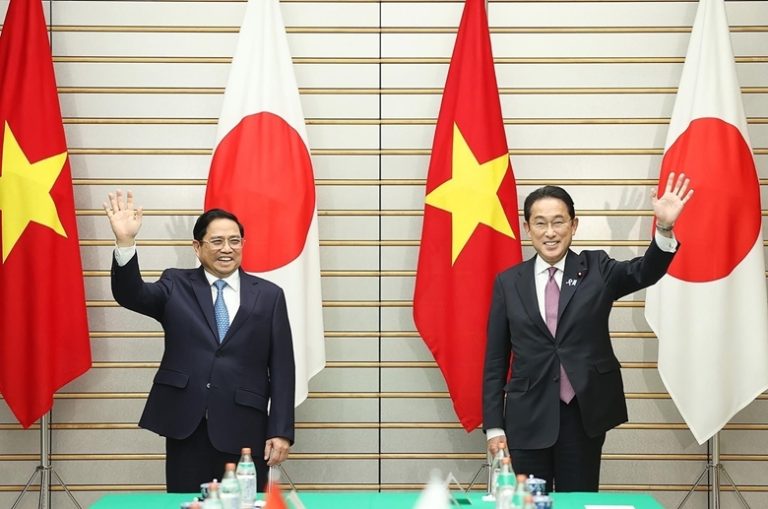
Strategic Alignment in a Fragmented World: Japan-Vietnam Economic Cooperation and the Shifting Balance of Power in Asia

In a world increasingly marked by fragmentation, protectionism, and economic uncertainty, Japan and Vietnam have emerged as proactive leaders seeking to reinforce stability and prosperity through a new bilateral trade pledge. In April 2025, both countries committed to boosting trade and investment flows, while upholding global rules and ensuring the free flow of goods

Read MoreStrategic Alignment in a Fragmented World: Japan-Vietnam Economic Cooperation and the Shifting Balance of Power in Asia

HSBC Raises Alarm Over Trade War Impact: What It Means for Emerging Markets and Global Stability

When a global financial institution like HSBC increases its bad debt provisions, it means the bank anticipates more customers—individuals, companies, or even governments—will default on their loans. The bank is effectively saying, "We expect tougher times ahead." This isn’t guesswork. It's a move based on internal data, macroeconomic trends, and predictive modeling.

Read MoreHSBC Raises Alarm Over Trade War Impact: What It Means for Emerging Markets and Global Stability

From Restraint to Retaliation: India’s Strategic Suspension of the Indus Waters Treaty

The treaty’s complex dispute-resolution mechanism precipitated several challenges for India’s hydropower projects, such as the Kishenganga and Ratle plants located on the Jhelum and Chenab rivers respectively. The Treaty’s annexure D permits India to only build run-of-river hydroelectric plants on the Indus water system’s Wester Rivers.

Read MoreFrom Restraint to Retaliation: India’s Strategic Suspension of the Indus Waters Treaty

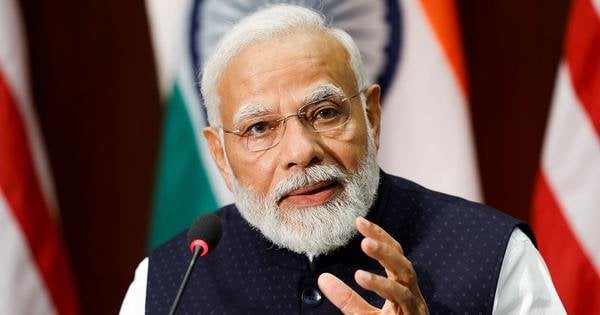
U.S.-India COMPACT Initiative: Strengthening Strategic Ties Amid Lingering Tensions

Not restricting to a buyer-seller relationship, the shared strategic interests between the two states have carved out a partnership which has increasingly focussed on greater military integration, sharing advanced technologies, innovation, and research and development. A string of key agreements over time has made this expansion and deepening of strategic relations possible.

Read MoreU.S.-India COMPACT Initiative: Strengthening Strategic Ties Amid Lingering Tensions