Global Trade in 2025: From Efficiency to Power

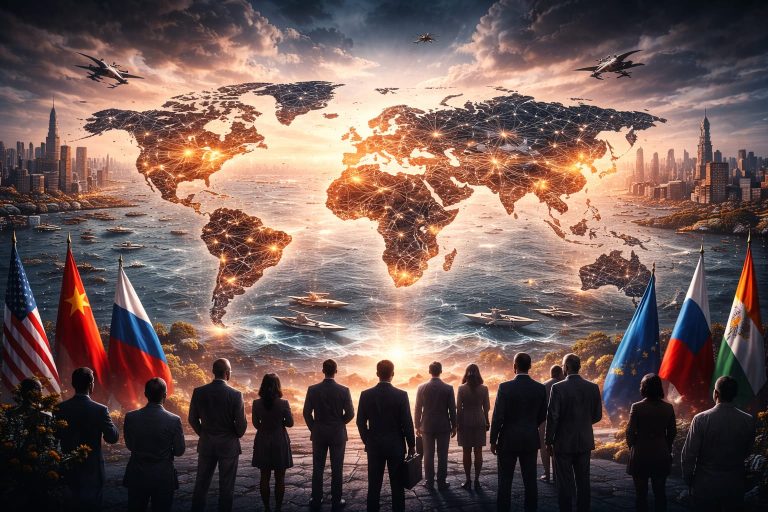
By 2025, global trade stopped pretending to be neutral. Efficiency gave way to resilience, markets to strategy, and institutions to power. Shipping routes, carbon rules, currencies, and data flows became tools of statecraft rather than technical details. Trade did not collapse; it realigned around security and political trust. The era of frictionless globalization ended quietly, replaced by a world where who you trade with now matters as much as what you trade.

Read MoreGlobal Trade in 2025: From Efficiency to Power

Economies to Watch in 2026

The global economy entering 2026 is no longer governed primarily by growth cycles, but by strategic stress. Fiscal exhaustion in advanced economies, geopolitical fragmentation, energy realism, and uneven technological diffusion are reshaping economic outcomes. The most consequential economies in 2026 will not be those expanding fastest, but those sitting at critical inflection points—capable of transmitting shock, absorbing volatility, or redefining alignment. Economics has become an instrument of power, constraint, and contest.

Read MoreEconomies to Watch in 2026

Anti-Corruption Agencies in Transitional Democracies: Ukraine and Georgia

Anti-corruption agencies remain pivotal in transitional democracies, but their impact is context-dependent. In Ukraine, NABU and SAPO resisted political encroachment in mid-2025, with civic mobilization and EU pressure restoring independence, enabling high-level corruption investigations in defense procurement. In Georgia, the Anti-Corruption Bureau is being dismantled, with powers absorbed by a state audit office under executive control, suppressing civil society and signaling democratic backsliding. These cases highlight how anti-graft institutions can either bolster resilience or enable authoritarian consolidation, depending on political context and external leverage.

Read MoreAnti-Corruption Agencies in Transitional Democracies: Ukraine and Georgia

South Africa, the G20, and the Limits of Host-Nation Power: A Geopolitical Analysis

South Africa’s G20 membership is not America’s to revoke, but Trump’s attempt to bar Pretoria from the summit exposes a deeper crisis in global governance. It signals a sharp downturn in U.S.–South Africa relations, threatens the credibility of the G20, and risks pushing emerging economies closer together against unilateralism. By standing firm, South Africa defends not only its place at the table but the principle that multilateral forums cannot be controlled by any single host.

Read MoreSouth Africa, the G20, and the Limits of Host-Nation Power: A Geopolitical Analysis

Development of UK Trade Deals since Brexit

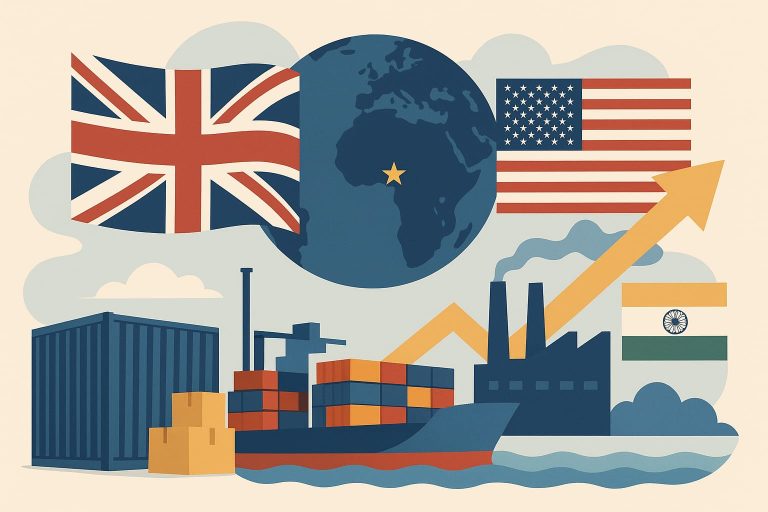
Since Brexit, the UK has pursued new and amended trade deals to expand market access and strengthen international partnerships. Agreements with the EU, US, India, and Pacific nations reflect efforts to boost exports, attract investment, and drive growth under the Invest 2035 strategy. Despite ongoing economic instability, these trade deals support diversification, innovation, and employment across high-growth sectors such as technology, clean energy, and manufacturing—positioning trade as a central pillar of the UK’s long-term recovery and competitiveness.

Read MoreDevelopment of UK Trade Deals since Brexit

Recognition Without Reconciliation: The Palestine Recognition Shake-Up

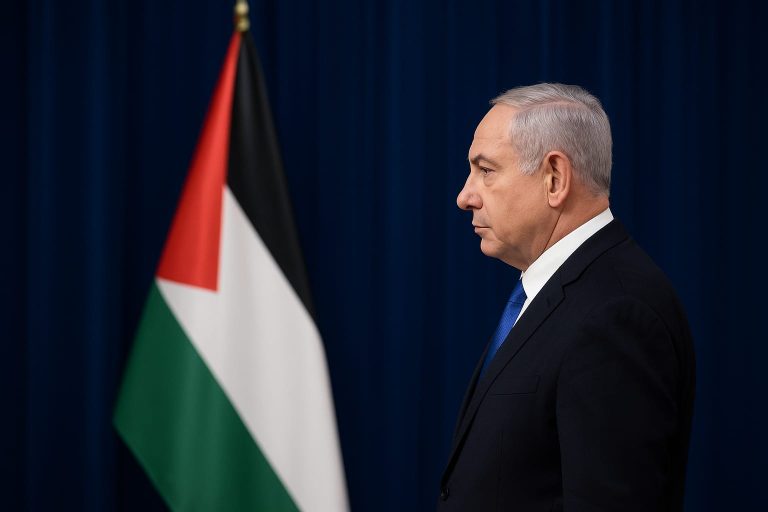
Britain, Canada, and Australia’s recognition of Palestine has upended the diplomatic balance. While Palestinians hail the move as overdue legitimacy, Israeli Prime Minister Netanyahu vows there will be “no Palestinian state,” framing the decision as a reward for extremism. This Western shift pressures Washington, unsettles Arab capitals, and raises expectations for Palestinian governance. Recognition does not create statehood, but it changes the political calculus—forcing Israel, its allies, and its critics to rethink their next moves.

Read MoreRecognition Without Reconciliation: The Palestine Recognition Shake-Up

Is Europe About to Be Colonized?

Europe stands at an uncomfortable crossroads, squeezed between Washington and Beijing. As the U.S. reasserts its security dominance and China deepens its economic reach, the continent risks drifting into a 21st-century form of colonial dependency—ceding sovereignty over defense, technology, and supply chains. Without a coherent, purpose-driven vision of its own, the EU could end up reacting rather than leading, becoming a strategic pawn instead of a power in its own right.

Read MoreIs Europe About to Be Colonized?

What does Chinese Military Expansion mean?

Beijing’s Victory Day parade has brought global attention to China’s military expansion and new nuclear capabilities. The strong demonstration of military power reflects President Xi’s political ambitions for China, carrying implications for both the East Asian region and international relations. Geopolitical tensions both within the region and between China and the US, as well as the development of diplomatic partnerships between China, Russia, and North Korea, mark an increase in militaristic competition and spending, and a united front against Western interference.

Read MoreWhat does Chinese Military Expansion mean?

India at Tianjin: Modi’s SCO Gambit in a Multipolar World

India enters the SCO summit walking a razor’s edge. Between Russia’s embrace, China’s rivalry, and America’s pressure, New Delhi’s old habit of “working with everyone” is becoming unsustainable. Modi’s meetings with Xi and Putin are more than routine diplomacy—they are tests of India’s strategic agility in a fractured world. The question is no longer whether India can remain non-aligned, but how long it can keep balancing before being forced to choose a side.

Read MoreIndia at Tianjin: Modi’s SCO Gambit in a Multipolar World

From Borders to Bridges: Europe’s New Trade Vision with the Mediterranean

Europe’s evolving trade vision with the Mediterranean goes beyond tariff cuts, focusing on regulatory convergence, digitalisation, and green value chains. The revised Pan-Euro-Mediterranean origin rules now allow flexible cumulation across 24 partners, strengthening regional supply chains in textiles, agri-food, and automotive components. Success, however, depends on overcoming capacity gaps, regulatory bottlenecks, and social adjustment pressures in Southern partners. By linking trade facilitation to investment in customs, digital systems, and green industries, the EU seeks both resilience and shared sustainable growth.

Read MoreFrom Borders to Bridges: Europe’s New Trade Vision with the Mediterranean