After The Strike: Why Trump’s Ceasefire Isn’t the Endgame 

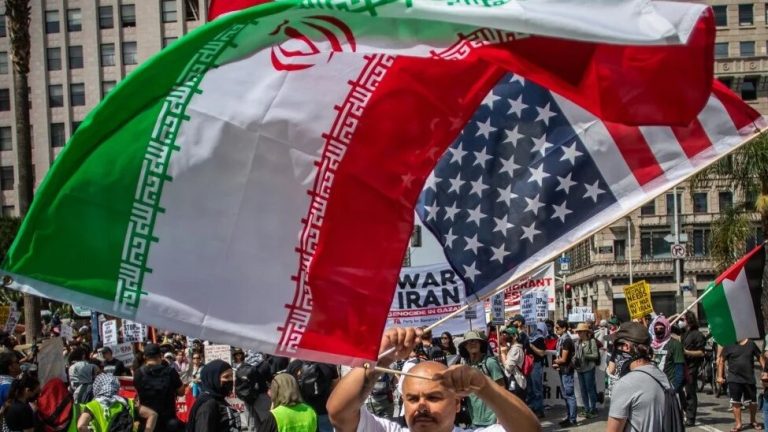
President Trump’s strike on Iran’s nuclear facilities, followed by a surprise ceasefire, has jolted the global order—but it’s not the endgame. This is a high-stakes pause, not peace. The real test lies in converting military leverage into a lasting strategic framework. For Africa and the Global South, the episode signals a shift in U.S. power projection—swift, forceful, then restrained. If not followed by coherent diplomacy, it risks becoming just another spark in a volatile world.

Read MoreAfter The Strike: Why Trump’s Ceasefire Isn’t the Endgame 

Privatizing Sovereignty? The Strategic Risks of Governance Vacuums in Fragile States

As state power declines in fragile regions, governance is increasingly shifting to non-state actors—militant groups, corporations, and private investors. From Gaza to tech-run cities, sovereignty is no longer exclusive to nations. This brief examines the rise of private governance, its geopolitical drivers, and the risks it poses to legitimacy, stability, and diplomacy. The future of power may lie not in parliaments, but in boardrooms, algorithms, and fortified zones.

Read MorePrivatizing Sovereignty? The Strategic Risks of Governance Vacuums in Fragile States

Trump’s High-Stakes Litmus Test: Can Peace Through Strength Survive the Israel–Iran War?

Trump’s doctrine of “peace through strength” faces a defining test in the escalating Israel–Iran war. As Tehran defies U.S. deterrence, Trump must choose between bold retaliation, risky ambiguity, or compromise—each with global consequences. The world is watching, from Beijing to Moscow. Can Trump project credible strength without losing his base or dragging America into war? This isn’t just about the Middle East—it’s a litmus test for U.S. power in a shifting world.

Read MoreTrump’s High-Stakes Litmus Test: Can Peace Through Strength Survive the Israel–Iran War?

Will Russia, Türkiye and China Back Iran?

As tensions escalate between Israel and Iran, Russia, Türkiye, and China face a critical test. Though all three condemn Israel’s strikes, none have offered military backing to Iran. Their strategic caution risks rendering their influence meaningless. A multilateral de-escalation strategy—through Astana Plus, BRICS diplomacy, and reconstruction planning—offers a peaceful path forward. The moment demands more than words; it demands coordinated action to avert a regional catastrophe.

Read MoreWill Russia, Türkiye and China Back Iran?

Israel Strikes Iran: What are the Implications for US Strategic Interests in the MENA Region?

Israel’s unprecedented strike on Iran has sparked a geopolitical crisis with far-reaching consequences for U.S. strategic interests in the Middle East. From derailing nuclear negotiations to straining relations with Gulf allies and complicating ties with Israel, this dispatch examines the volatile shifts reshaping America’s role in the region.

Read MoreIsrael Strikes Iran: What are the Implications for US Strategic Interests in the MENA Region?

Global Strategy Nexus – Africa Summit 2025 – Strengthening African Governance Through Strategic Reform

Africa stands at a critical crossroads of opportunity and challenge. At GSN 2025, the focus was on unlocking private sector potential to drive governance, economic resilience, and inclusive growth. The speech emphasized policy reforms, regional collaboration, and strategic innovation as essential tools for transforming volatility into progress across the continent.

Read MoreGlobal Strategy Nexus – Africa Summit 2025 – Strengthening African Governance Through Strategic Reform