Tariffs Up, Treasury Down: Why Washington’s Red Ink Matter

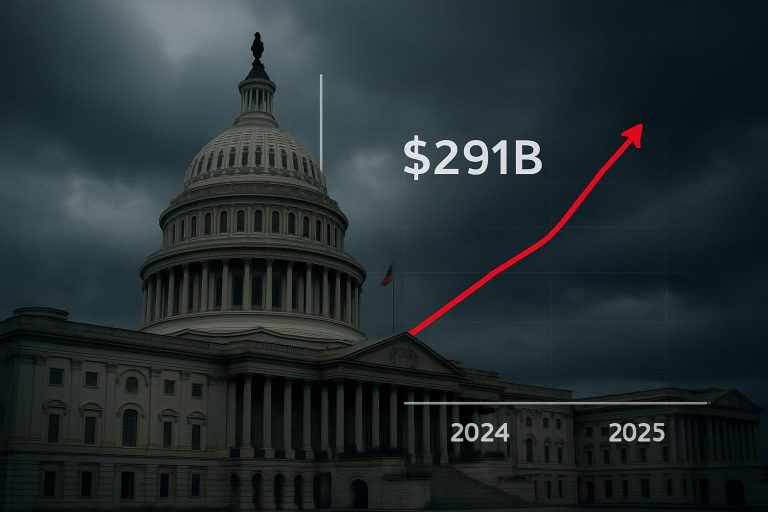
The U.S. federal deficit widened to $291 billion in July, a 19% year-on-year rise, despite tariff revenues tripling under Trump’s trade regime. Customs duties reached $21 billion, but were eclipsed by surging healthcare, Social Security, and debt service costs. With the year-to-date shortfall at $1.63 trillion, Washington faces a structural imbalance that tariff windfalls cannot offset. Fiscal sustainability now collides with strategic ambition, reshaping America’s capacity to fund defense, sustain alliances, and project power abroad.

Read MoreTariffs Up, Treasury Down: Why Washington’s Red Ink Matter

Argentina’s Fiscal Gambit: Milei’s Vetoes, Market Signalling, and the Politics of Austerity

In Buenos Aires, President Javier Milei’s veto of congressional bills to expand pensions, disability support, and moratorium extensions underscores his uncompromising libertarian agenda. By blocking spending increases while pushing symbolic measures such as banning Central Bank transfers to the Treasury and criminalising deficit budgets, Milei signals a doctrine of austerity over welfare. He frames social expansion as a threat to fiscal surplus and the peso’s stability, positioning Argentina on a collision course between economic orthodoxy and mounting public discontent.

Read MoreArgentina’s Fiscal Gambit: Milei’s Vetoes, Market Signalling, and the Politics of Austerity

The Alaska Summit: Why Trump and Putin’s Meeting Marks a Diplomatic Success

The Alaska Summit between Trump and Putin marked a subtle but meaningful diplomatic success. While no ceasefire or land swap was announced, the meeting established common ground, opened channels for future talks, and secured a commitment to reconvene. Trump’s pledge to consult Zelenskyy, NATO, and European allies underscores a process-driven approach rather than unilateralism. History shows that first meetings often set the stage for breakthroughs. By creating momentum and continuity, Anchorage became a quiet step toward potential peace.

Read MoreThe Alaska Summit: Why Trump and Putin’s Meeting Marks a Diplomatic Success

Baghdad–Erbil Oil Accord: Tactical Convergence Under Strategic Uncertainty

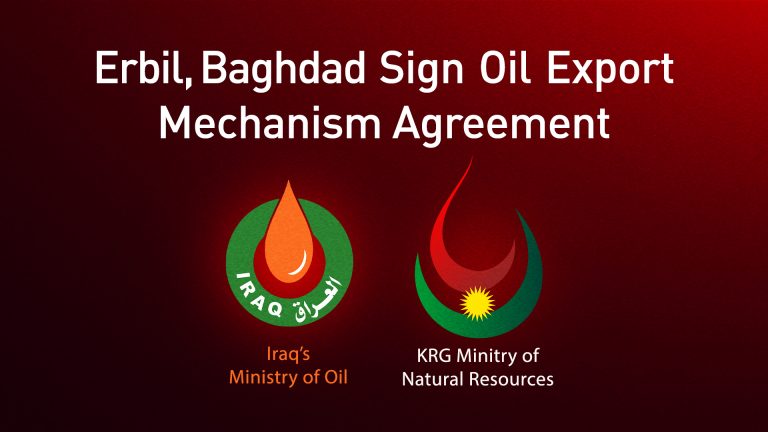
The Baghdad–Erbil oil accord marks a tentative step toward stabilising Iraq’s fractious energy politics. Under the deal, the Kurdistan Regional Government will channel all crude exports through SOMO, receiving $16 per barrel, while a joint audit team reviews revenues and federal entitlements. The KRG has also transferred salary lists and 120 billion dinars to Baghdad. Yet, unresolved issues over future oil contracts and delayed public salary payments underscore that implementation, not signature, will determine whether this agreement becomes a durable framework or another fragile truce.

Read MoreBaghdad–Erbil Oil Accord: Tactical Convergence Under Strategic Uncertainty

Ethiopia’s Regional Influence and Nile Politics

As global power dynamics shift, infrastructure sovereignty is emerging as a decisive frontier of national strategy. From AI regulation to data localization and critical supply chains, states are reasserting control over foundational systems. This Strategic Dispatch explores how these developments are redefining geopolitics and what they mean for long-term competitiveness, security, and influence. For policymakers and corporate leaders alike, navigating this terrain requires a strategic recalibration—one grounded in foresight, coordination, and a sober understanding of evolving global realities.

Read MoreEthiopia’s Regional Influence and Nile Politics

India After the Tariffs: What Next in a World Where the WTO Can’t Save You?

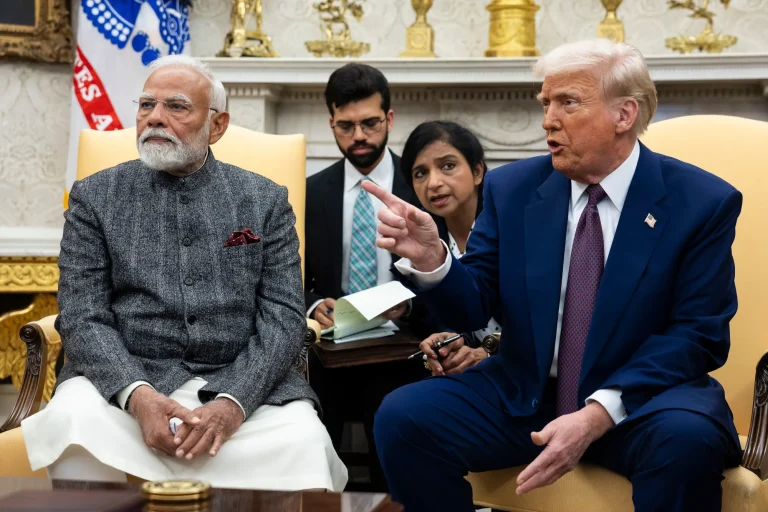
The Trump-era tariff revival against India signals more than a trade dispute—it’s a strategic message. As the U.S. recalibrates its economic alliances, India must confront hard truths: WTO diplomacy won’t suffice. New Delhi must pivot toward resilient trade diversification, domestic manufacturing strength, and assertive bilateral diplomacy. This is not just about steel or solar panels—it’s about global positioning. In the shifting tides of protectionism, India must act not as a victim, but as a counterforce.

Read MoreIndia After the Tariffs: What Next in a World Where the WTO Can’t Save You?

Monthly Geopolitical Policy Brief – July 2025 Edition

This edition of the Monthly Geopolitical Policy Brief explores pivotal developments reshaping the global policy landscape—from Syria’s $800 million Tartous Port deal to landmark privacy and AI legislation in the United States and European Union. With insights on Africa’s continental agrifood framework and Gulf re-engagement in the Levant, this brief offers diplomats, policymakers, and business leaders timely intelligence on emerging regulatory paradigms and strategic power shifts across regions. Essential reading for future-focused decision-making.

Read MoreMonthly Geopolitical Policy Brief – July 2025 Edition

The Last Days of the Nation-State: How Corporations Are Building the Next Global Order 

As governments falter under the weight of debt, disruption, and declining legitimacy, corporations are quietly stepping in—not just to influence the global order, but to construct a new one altogether. From private satellite constellations to platform-enforced speech, a corporate architecture of power is emerging with little democratic oversight. This dispatch traces the end of traditional sovereignty and the rise of algorithmic governance—and asks whether the public still governs the public sphere.

Read MoreThe Last Days of the Nation-State: How Corporations Are Building the Next Global Order 

Party Without a Compass: Rediscovering the Democratic Purpose

The Democratic Party has lost its strategic compass, trading purpose for performance. Once a force for working-class advancement and global leadership, it now drifts in cultural theatrics and reactive politics. While Republicans rally around power and production, Democrats offer moral outrage and identity slogans. To reclaim relevance, the party must refocus on national interest, economic strength, and institutional reform—or risk becoming politically decorative in a world demanding decisive leadership.

Read MoreParty Without a Compass: Rediscovering the Democratic Purpose