Forced Relocation and Civil Commitment: Trumps’ Executive Order to Ban Rough Sleeping 

President Trump’s executive order banning rough sleeping marks a sharp policy shift from the housing-first approach toward punitive enforcement. Backed by the Supreme Court’s Grants Pass v. Johnson ruling, the order deploys federal agents in Washington, DC to forcibly relocate and civilly commit homeless individuals. While framed as restoring public order, the policy risks worsening homelessness by criminalising poverty, straining shelters, and displacing individuals without alternatives. Critics warn it deepens marginalisation, fuels migration to other cities, and undermines long-term solutions.
Read MoreForced Relocation and Civil Commitment: Trumps’ Executive Order to Ban Rough Sleeping 

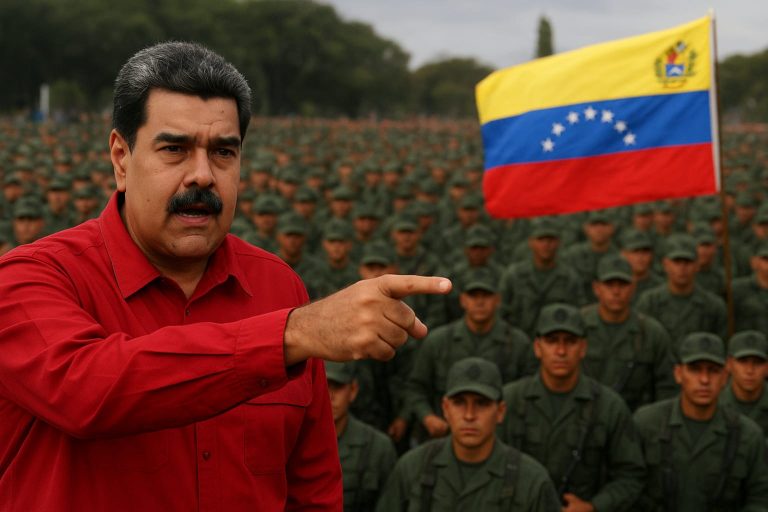
Tensions escalate as Venezuela mobilizes 4.5 million militiamen in response to US crackdown on drug trafficking.

Venezuela has announced the mobilisation of 4.5 million militiamen throughout the country in response to increased US naval movements in the Latin America and Caribbean (LAC) region. The conflict is based on the national security threat of drug cartel activities, which have history of illegal drug trade into the US. Venezuelan president Maduro argues that US military imposition in the region undermines sovereignty and independence. The conflict threatens peace and stability in the region, with potential consequences for Venezuela’s economic crisis and humanitarian challenges. For the US, it could mean increased control over oil reserves and immigration.

Read MoreTensions escalate as Venezuela mobilizes 4.5 million militiamen in response to US crackdown on drug trafficking.

The Trump–Putin Summit and its implications for Sustainable Development

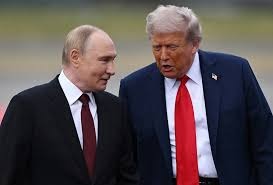
The Trump–Putin summit in Anchorage underscored shifting geopolitical dynamics with far-reaching consequences for sustainable development. While dominated by the Russia–Ukraine war, its implications extend to energy security, climate goals, food supply chains, and global cooperation. Agreements hinting at fossil fuel dependency, U.S. security guarantees to Ukraine, and weakened multilateralism risk slowing progress on the SDGs. With disruptions to trade, aid, and decarbonization, the summit highlights the need for vigilant international advocacy for sustainability, inclusivity, and cooperative governance.

Read MoreThe Trump–Putin Summit and its implications for Sustainable Development

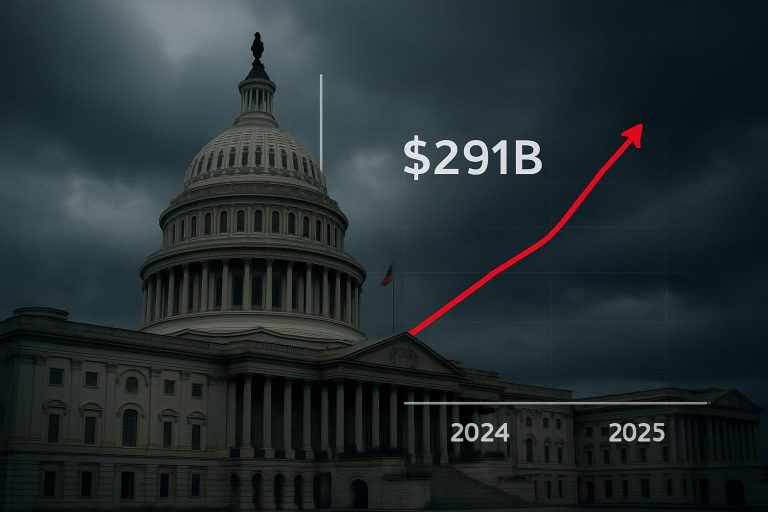
Tariffs Up, Treasury Down: Why Washington’s Red Ink Matter

The U.S. federal deficit widened to $291 billion in July, a 19% year-on-year rise, despite tariff revenues tripling under Trump’s trade regime. Customs duties reached $21 billion, but were eclipsed by surging healthcare, Social Security, and debt service costs. With the year-to-date shortfall at $1.63 trillion, Washington faces a structural imbalance that tariff windfalls cannot offset. Fiscal sustainability now collides with strategic ambition, reshaping America’s capacity to fund defense, sustain alliances, and project power abroad.

Read MoreTariffs Up, Treasury Down: Why Washington’s Red Ink Matter

Alaska Summit, No Ceasefire: What the Trump–Putin Optics Mean for Kyiv and Europe

The Trump–Putin summit in Alaska produced headlines but no ceasefire. Moscow floated a deal trading territorial concessions for a freeze, but Kyiv and Europe firmly rejected redrawing borders by force. For Russia, the optics eased isolation; for Ukraine, exclusion risked weakening support. Civilian casualties hit a three-year high, underscoring the costs of delay. With Trump set to meet Zelensky in Washington, the next test is whether U.S. mediation can deliver a sovereignty-first framework that Europe and Kyiv accept.

Read MoreAlaska Summit, No Ceasefire: What the Trump–Putin Optics Mean for Kyiv and Europe

The Alaska Summit: Why Trump and Putin’s Meeting Marks a Diplomatic Success

The Alaska Summit between Trump and Putin marked a subtle but meaningful diplomatic success. While no ceasefire or land swap was announced, the meeting established common ground, opened channels for future talks, and secured a commitment to reconvene. Trump’s pledge to consult Zelenskyy, NATO, and European allies underscores a process-driven approach rather than unilateralism. History shows that first meetings often set the stage for breakthroughs. By creating momentum and continuity, Anchorage became a quiet step toward potential peace.

Read MoreThe Alaska Summit: Why Trump and Putin’s Meeting Marks a Diplomatic Success

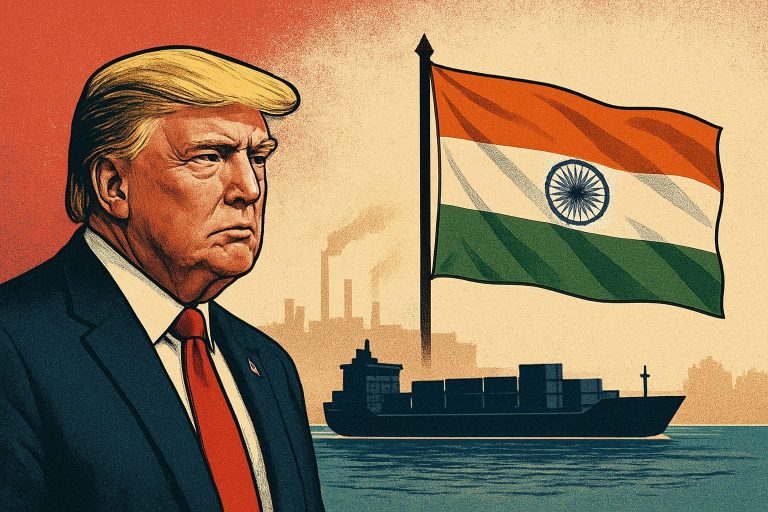
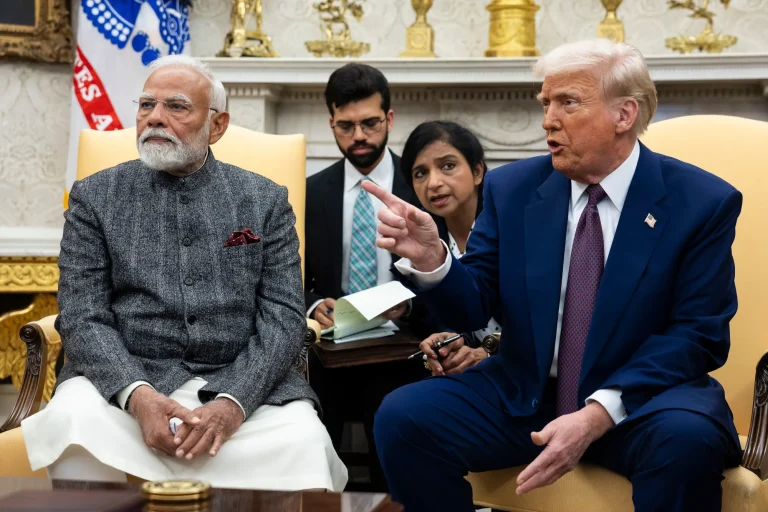
Trump’s India Tariff Is Less About Trade 

Trump’s tariff on Indian goods is less about trade and more a geopolitical ultimatum. It forces India to choose between aligning with U.S. strategic preferences or facing economic pain. The move targets key sectors like textiles, gems, and auto parts, pressuring India’s hedging strategy amid global power competition. Legal routes like the WTO offer little relief. India must respond swiftly with tactical diplomacy, market diversification, economic restructuring, and a clear narrative asserting its strategic autonomy to preserve sovereignty and growth.

Read MoreTrump’s India Tariff Is Less About Trade 

India After the Tariffs: What Next in a World Where the WTO Can’t Save You?

The Trump-era tariff revival against India signals more than a trade dispute—it’s a strategic message. As the U.S. recalibrates its economic alliances, India must confront hard truths: WTO diplomacy won’t suffice. New Delhi must pivot toward resilient trade diversification, domestic manufacturing strength, and assertive bilateral diplomacy. This is not just about steel or solar panels—it’s about global positioning. In the shifting tides of protectionism, India must act not as a victim, but as a counterforce.

Read MoreIndia After the Tariffs: What Next in a World Where the WTO Can’t Save You?

Strategic Partner or Dominant Power? Rethinking U.S. Influence on NATO’s Consensus Model

For decades, intergovernmental military alliance NATO has held up its consensus-based decision-making as proof of its democratic values. A system where every member has an equal voice and consensus dictates agreement through unity. Yet, as the dominant military and financial contributor, the influence of the United States has always been apparent. In 2025, does that influence increasingly override collaborative negotiation?

Read MoreStrategic Partner or Dominant Power? Rethinking U.S. Influence on NATO’s Consensus Model

Are African Economies Prepared for a Global Trade Reordering Driven by U.S. -China Decoupling?

As the U.S.–China economic decoupling redefines global trade, Africa faces a critical inflection point. The continent must either seize emerging supply chain opportunities or risk deeper marginalisation. This dispatch lays out a strategic readiness agenda—from industrial zoning to smart trade defence—aimed at positioning Africa within the evolving global trade order.

Read MoreAre African Economies Prepared for a Global Trade Reordering Driven by U.S. -China Decoupling?