Growing Pains of BRICS: Expansion Tests Unity and Purpose

The recently convened BRICS foreign ministers' meeting in April 2025 failed to issue a joint statement on the bloc’s response to the United States’ protectionist trade policies under President Donald Trump. While the grouping has lofty ambitions to credibly represent the Global South, there are lingering doubts whether the organisation is wavering in establishing a unified direction and purpose with an expanded membership.

Read MoreGrowing Pains of BRICS: Expansion Tests Unity and Purpose

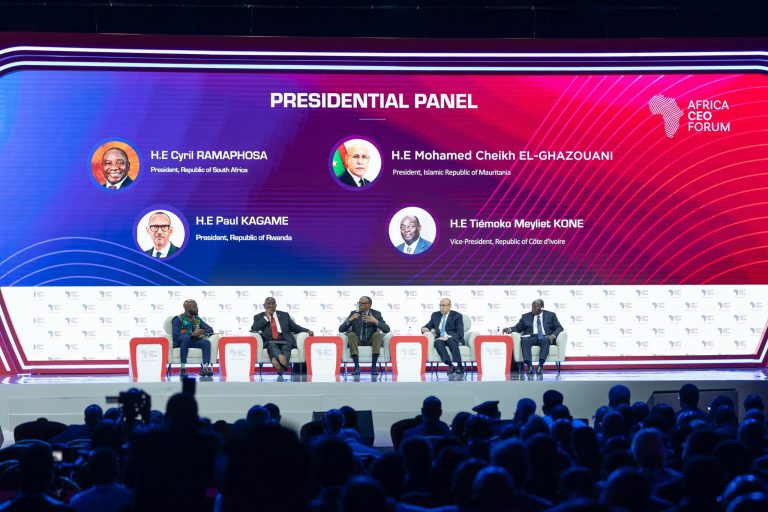
Africa CEO Forum 2025 | Presidential Panel with President Ramaphosa,  Paul Kagame & More

At the 2025 Africa CEO Forum in Abidjan, the air was thick not with celebration, but with reckoning. Africa, holding over 30% of the world’s mineral resources, remains plagued by weak trade integration, institutional failure, and structural dependency. Presidents Cyril Ramaphosa of South Africa, Paul Kagame of Rwanda, Mohamed Ould Ghazouani of Mauritania, Bassirou Diomaye Faye of Senegal, and Tiémoko Meyliet Koné – Vice-President of Côte d’Ivoire – offered an unfiltered, brutally honest discussion on the real state of the continent.

Read MoreAfrica CEO Forum 2025 | Presidential Panel with President Ramaphosa,  Paul Kagame & More

Trump’s First 100 Days: What It Means for Europe’s Strategic Autonomy

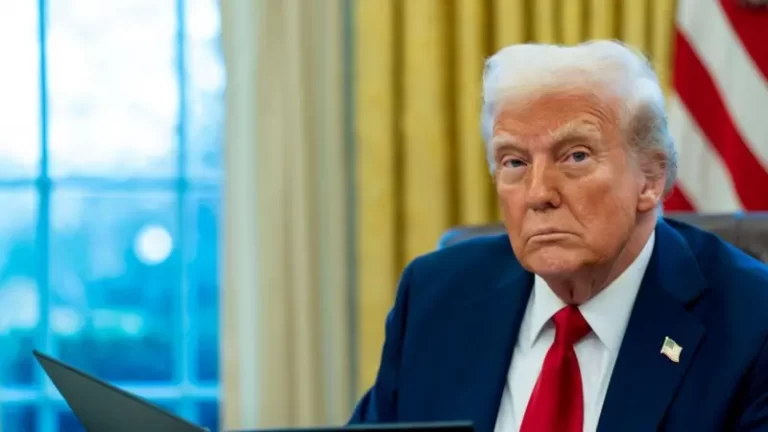
As President Donald J. Trump crosses the 100-day threshold of his second term in office, a new era of transatlantic relations is taking shape. These first 100 days have not only reinforced his "America First" rhetoric, but also reignited critical debates within Europe about the future of its security, economic independence, and geopolitical alignment. For Europe, the message is increasingly clear: strategic autonomy is no longer an aspiration—it is a necessity.

Read MoreTrump’s First 100 Days: What It Means for Europe’s Strategic Autonomy

From Restraint to Retaliation: India’s Strategic Suspension of the Indus Waters Treaty

The treaty’s complex dispute-resolution mechanism precipitated several challenges for India’s hydropower projects, such as the Kishenganga and Ratle plants located on the Jhelum and Chenab rivers respectively. The Treaty’s annexure D permits India to only build run-of-river hydroelectric plants on the Indus water system’s Wester Rivers.

Read MoreFrom Restraint to Retaliation: India’s Strategic Suspension of the Indus Waters Treaty