
Europe Between Giants: Strategic Autonomy or Strategic Confusion?
As the U.S. recalibrates, China expands, and Russia regroups, Europe must decide whether it will be a power in its own right—or a playground for others.

As the U.S. recalibrates, China expands, and Russia regroups, Europe must decide whether it will be a power in its own right—or a playground for others.
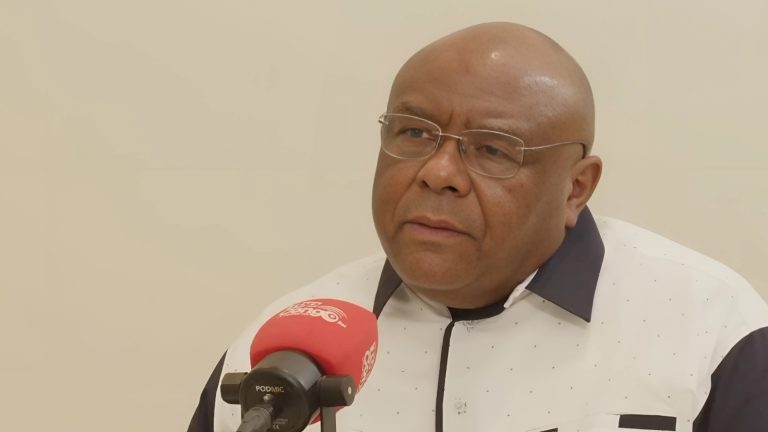
Jean-Pierre Bemba alleges high-level sabotage and outlines urgent reforms in aviation, river transport and governance in the DRC.

Under Trump’s second term, U.S.-Egypt relations have cooled further due to controversial positions on the Suez Canal and Gaza diplomacy. Trump’s call for free U.S. passage through the Suez Canal and his Gaza displacement plan, both seen as affronts to Egyptian sovereignty, have strained ties. Egypt’s rejection signals a desire for autonomy and increasing openness to alternative global partners like Russia and China amid growing U.S. unpredictability.

“There is no reason to sugarcoat it. The threat China poses is real, and it could be imminent.” The U.S. Defence Secretary, Pete Hegseth, made this remark on May 31, 2025 at the annual inter-governmental security conference Shangri-La Dialogue in Singapore. In a stark warning to the U.S.’s Asian allies, Hegseth frames China as a national security threat, not just to the U.S., but also a military threat to the Asia Pacific region, particularly Taiwan.

As US-Iran nuclear negotiations stall, rising tensions risk igniting conflict. While interim deals and Omani-mediated proposals offer hope, like a regional consortium enriching uranium under IAEA oversight, key issues remain unresolved. President Trump’s threats of airstrikes and Israel’s potential unilateral action underscore the stakes. A peaceful resolution via the Omani framework may avert regional destabilization and ensure Iran’s nuclear program remains civilian-focused under multilateral scrutiny.
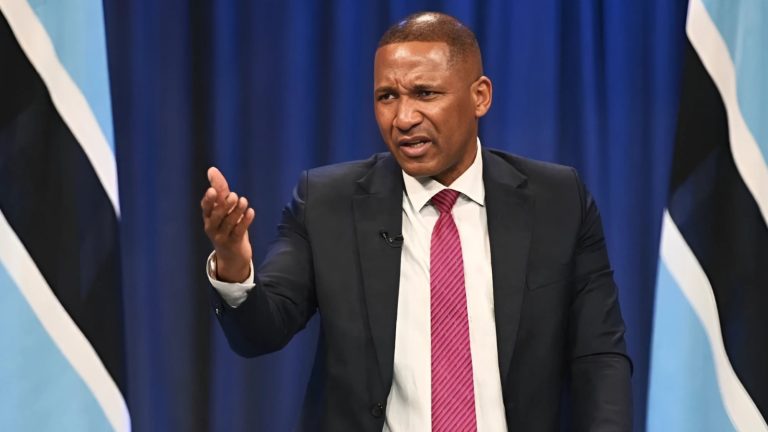
President Duma Boko delivered a fiery address condemning systemic failures in Botswana’s governance, education, energy, and procurement sectors. Highlighting the paradox of vast mineral wealth amid economic underperformance, he called for radical reform, including digitalisation, public accountability, and state-led development. Rejecting neoliberal policies, Boko urged foundational change through a sovereign wealth fund, education overhaul, and energy restructuring. His speech was a bold call to action for ethical, transformative leadership.

Africa is no longer passively awaiting Western aid, it is actively reshaping global power structures. As U.S. influence recedes due to policy neglect and strategic confusion, countries like China, Russia, and Türkiye have filled the void with investments and diplomatic engagement. African leaders are rejecting paternalism, insisting on equal partnerships and sovereign respect. The United States, once a dominant presence, now watches from the sidelines, adrift while the continent forges a multipolar future on its own terms.

South Africa’s municipal governance is in systemic collapse. Auditor-General Tsakani Maluleke’s 2022–2023 report reveals widespread corruption, service delivery failures, and ethical decay across municipalities. Only 13% achieved clean audits. Dysfunctional leadership, misused infrastructure grants, and unchecked patronage threaten public welfare. With Eskom debt surging and communities suffering, Maluleke’s call is clear: without ethical, professional leadership and enforcement, the country risks a constitutional crisis in service delivery.
President Trump’s freeze on student visa processing marks a strategic shift in U.S.–China relations. Framed as a response to campus antisemitism, the move is part of a broader effort to decouple from China. By targeting academic exchanges, the administration aims to protect America’s innovation ecosystem from foreign exploitation. This policy, following earlier tariffs, represents the second major strike in a systematic recalibration of U.S. geopolitical and economic priorities.

During a four-day tour of Saudi Arabia, Qatar, and the UAE, U.S. President Donald Trump secured historic economic and defense deals, including a $600 billion investment pact with Saudi Arabia and a $1.4 trillion AI agreement with the UAE. In a surprise move, Trump also announced the lifting of U.S. sanctions on Syria, signaling a potential diplomatic reset and opening the door to regional economic investment and reconstruction.