Africa’s Strategic Position in the Red Sea and Indian Ocean Geopolitics: What’s really at stake as African coastal countries attract the world’s biggest powers?

Africa’s coastline is emerging as a geopolitical battleground where global powers vie for influence through strategic port access and dual-use infrastructure. From Djibouti to Lamu, African states must balance investment with sovereignty, transforming maritime assets into levers of power—not vulnerabilities—in the global contest shaping the Red Sea and Indian Ocean order.
Read MoreAfrica’s Strategic Position in the Red Sea and Indian Ocean Geopolitics: What’s really at stake as African coastal countries attract the world’s biggest powers?

Botswana’s President Unleashes Fury: Ministers Exposed for Fatal Incompetence

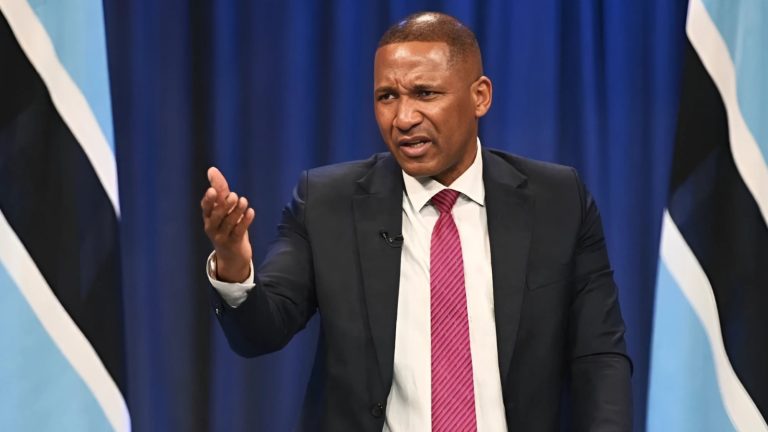
President Duma Boko delivered a fiery address condemning systemic failures in Botswana’s governance, education, energy, and procurement sectors. Highlighting the paradox of vast mineral wealth amid economic underperformance, he called for radical reform, including digitalisation, public accountability, and state-led development. Rejecting neoliberal policies, Boko urged foundational change through a sovereign wealth fund, education overhaul, and energy restructuring. His speech was a bold call to action for ethical, transformative leadership.

Read MoreBotswana’s President Unleashes Fury: Ministers Exposed for Fatal Incompetence

Annalena Baerbock Elected UNGA President: A Defining Moment for Global Leadership

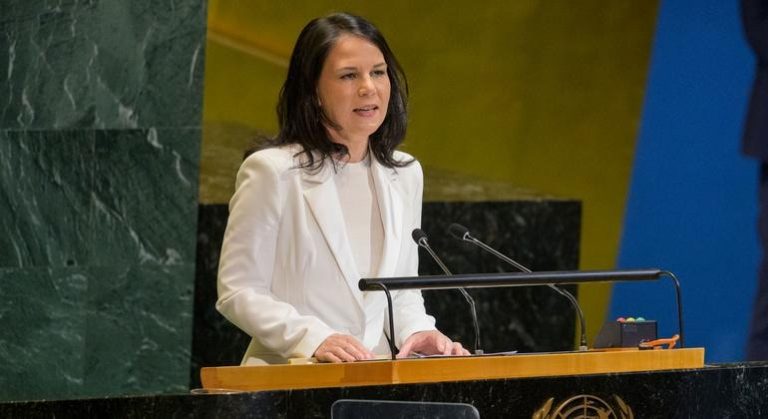
On 2 June 2025, Annalena Baerbock, former German Federal Foreign Minister and member of Alliance 90/The Greens, was elected President of the 80th United Nations General Assembly. Her election, secured by 167 votes in a rare secret ballot, marks the first time a German and only the fifth woman has held this role in the UNGA’s 80-year history. Baerbock’s presidency begins amid global conflicts, climate emergencies, and institutional scepticism. With a bold vision prioritising multilateral renewal, SDG acceleration, peace and security, and gender inclusion, Baerbock aims to reinvigorate the General Assembly's relevance. While her past foreign policy positions, particularly on Ukraine, spark debate about her impartiality, her commitment to inclusive diplomacy and reform could help reshape the UN at a critical historical crossroads.

Read MoreAnnalena Baerbock Elected UNGA President: A Defining Moment for Global Leadership

Crippling Neglect! Over 2,000 South African Children Born with Clubfoot Each Year – And the System Still Fails Them!

Each year, more than 2,000 children in South Africa are born with clubfoot, a condition that is entirely treatable, yet remains a hidden disability due to diagnostic failures and systemic neglect. The Ponseti method, a proven, low-cost treatment with a 90% success rate, is not reaching the children who need it most. Geographic isolation, transport barriers, stigma, and the absence of a national birth defects registry compound the problem. As grassroots organisations step in, South Africa faces a pivotal choice: scale up equitable care or allow preventable disability to persist.

Read MoreCrippling Neglect! Over 2,000 South African Children Born with Clubfoot Each Year – And the System Still Fails Them!

Panic in Washington: US Lawmakers Admit They’ve Lost Strategic Control in Africa

Africa is no longer passively awaiting Western aid, it is actively reshaping global power structures. As U.S. influence recedes due to policy neglect and strategic confusion, countries like China, Russia, and Türkiye have filled the void with investments and diplomatic engagement. African leaders are rejecting paternalism, insisting on equal partnerships and sovereign respect. The United States, once a dominant presence, now watches from the sidelines, adrift while the continent forges a multipolar future on its own terms.

Read MorePanic in Washington: US Lawmakers Admit They’ve Lost Strategic Control in Africa

UN-Habitat Strategic Plan 2026–2029 Evaluation: Solutions to the Global Housing Crisis

Each day, millions of families wake up to the harsh realities of inadequate shelter. For 2.8 billion people, housing does not provide the protection, stability or dignity that every human being deserves. Across sprawling urban slums, displacement camps and makeshift settlements, children grow up without toilets, running water or a sense of safety. The global housing crisis is not a distant concern. It is a pressing human rights failure, visible in every region and city on Earth. It is not merely a matter of shelter; it is about survival, equality and the right to live with dignity.

Read MoreUN-Habitat Strategic Plan 2026–2029 Evaluation: Solutions to the Global Housing Crisis

Municipal Meltdown: Tsakani Maluleke Warns of South Africa’s Local Governance Failure

South Africa’s municipal governance is in systemic collapse. Auditor-General Tsakani Maluleke’s 2022–2023 report reveals widespread corruption, service delivery failures, and ethical decay across municipalities. Only 13% achieved clean audits. Dysfunctional leadership, misused infrastructure grants, and unchecked patronage threaten public welfare. With Eskom debt surging and communities suffering, Maluleke’s call is clear: without ethical, professional leadership and enforcement, the country risks a constitutional crisis in service delivery.

Read MoreMunicipal Meltdown: Tsakani Maluleke Warns of South Africa’s Local Governance Failure

How America Powered the Rise of China—Willingly

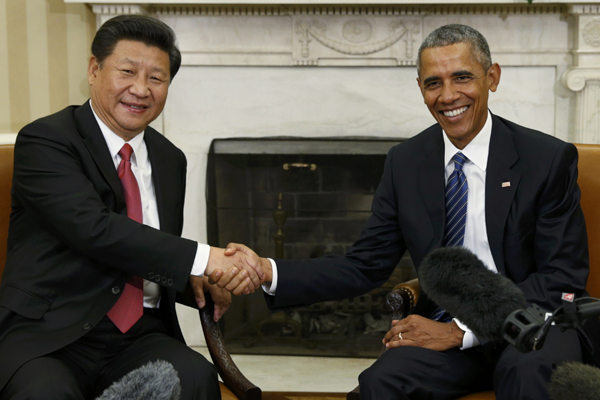
America's engagement with China was built on the belief that economic integration would lead to political liberalization. Instead, the U.S. facilitated China's rise by granting trade privileges, offshoring industries, and sharing technology. This strategy, driven by profit motives and strategic naivety, empowered a rival that now challenges U.S. dominance. Recognizing this, America faces the task of realigning its policies to safeguard national interests and technological sovereignty.

Read MoreHow America Powered the Rise of China—Willingly

The Second Punch: Why Trump’s Student Visa Freeze Marks a Strategic Shift in U.S.–China Relations

President Trump’s freeze on student visa processing marks a strategic shift in U.S.–China relations. Framed as a response to campus antisemitism, the move is part of a broader effort to decouple from China. By targeting academic exchanges, the administration aims to protect America’s innovation ecosystem from foreign exploitation. This policy, following earlier tariffs, represents the second major strike in a systematic recalibration of U.S. geopolitical and economic priorities.

Read MoreThe Second Punch: Why Trump’s Student Visa Freeze Marks a Strategic Shift in U.S.–China Relations

Economic Deals and Syria Sanctions Lift- The Implications of Trump’s Middle East Tour

During a four-day tour of Saudi Arabia, Qatar, and the UAE, U.S. President Donald Trump secured historic economic and defense deals, including a $600 billion investment pact with Saudi Arabia and a $1.4 trillion AI agreement with the UAE. In a surprise move, Trump also announced the lifting of U.S. sanctions on Syria, signaling a potential diplomatic reset and opening the door to regional economic investment and reconstruction.

Read MoreEconomic Deals and Syria Sanctions Lift- The Implications of Trump’s Middle East Tour