Privatizing Sovereignty? The Strategic Risks of Governance Vacuums in Fragile States

As state power declines in fragile regions, governance is increasingly shifting to non-state actors—militant groups, corporations, and private investors. From Gaza to tech-run cities, sovereignty is no longer exclusive to nations. This brief examines the rise of private governance, its geopolitical drivers, and the risks it poses to legitimacy, stability, and diplomacy. The future of power may lie not in parliaments, but in boardrooms, algorithms, and fortified zones.

Read MorePrivatizing Sovereignty? The Strategic Risks of Governance Vacuums in Fragile States

To Intervene or not to Intervene – Consequences of a US Entry into the Iran-Israel Conflict

A U.S. intervention in the escalating Iran-Israel conflict risks igniting a broader regional war, straining ties with Gulf allies, and triggering domestic political backlash. As military assets mobilize and tensions rise, Washington stands at a crossroads: defend its strategic partner or uphold a doctrine of restraint. With public opinion divided and regional stability on the line, the costs of action may far outweigh the benefits. Diplomacy may be the only viable path forward.

Read MoreTo Intervene or not to Intervene – Consequences of a US Entry into the Iran-Israel Conflict

Trump’s High-Stakes Litmus Test: Can Peace Through Strength Survive the Israel–Iran War?

Trump’s doctrine of “peace through strength” faces a defining test in the escalating Israel–Iran war. As Tehran defies U.S. deterrence, Trump must choose between bold retaliation, risky ambiguity, or compromise—each with global consequences. The world is watching, from Beijing to Moscow. Can Trump project credible strength without losing his base or dragging America into war? This isn’t just about the Middle East—it’s a litmus test for U.S. power in a shifting world.

Read MoreTrump’s High-Stakes Litmus Test: Can Peace Through Strength Survive the Israel–Iran War?

Israel Strikes Iran: What are the Implications for US Strategic Interests in the MENA Region?

Israel’s unprecedented strike on Iran has sparked a geopolitical crisis with far-reaching consequences for U.S. strategic interests in the Middle East. From derailing nuclear negotiations to straining relations with Gulf allies and complicating ties with Israel, this dispatch examines the volatile shifts reshaping America’s role in the region.

Read MoreIsrael Strikes Iran: What are the Implications for US Strategic Interests in the MENA Region?

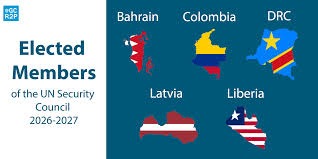
Five Nations Elected to the United Nations Security Council for 2026–2027

On June 2, 2025, Annalena Baerbock was elected President of the 80th UN General Assembly, becoming the first German and fifth woman in the role. The following day, Bahrain, Colombia, the DRC, Latvia, and Liberia were elected as non-permanent members of the UN Security Council for 2026–2027. Each secured the required two-thirds majority in uncontested elections, reflecting a commitment to diverse and representative global leadership.

Read MoreFive Nations Elected to the United Nations Security Council for 2026–2027

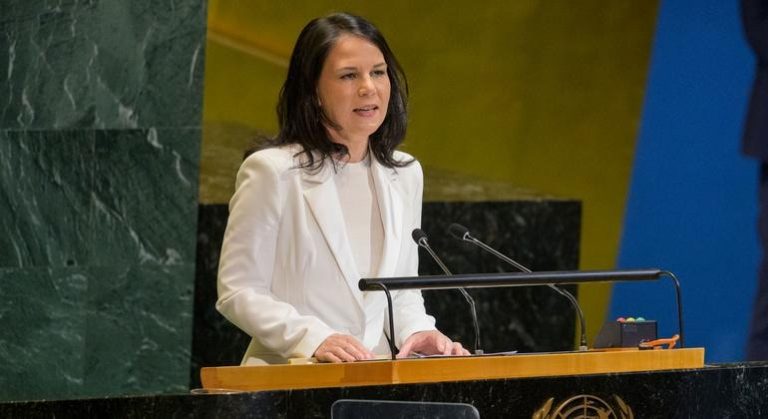
Annalena Baerbock Elected UNGA President: A Defining Moment for Global Leadership

On 2 June 2025, Annalena Baerbock, former German Federal Foreign Minister and member of Alliance 90/The Greens, was elected President of the 80th United Nations General Assembly. Her election, secured by 167 votes in a rare secret ballot, marks the first time a German and only the fifth woman has held this role in the UNGA’s 80-year history. Baerbock’s presidency begins amid global conflicts, climate emergencies, and institutional scepticism. With a bold vision prioritising multilateral renewal, SDG acceleration, peace and security, and gender inclusion, Baerbock aims to reinvigorate the General Assembly's relevance. While her past foreign policy positions, particularly on Ukraine, spark debate about her impartiality, her commitment to inclusive diplomacy and reform could help reshape the UN at a critical historical crossroads.

Read MoreAnnalena Baerbock Elected UNGA President: A Defining Moment for Global Leadership

Crippling Neglect! Over 2,000 South African Children Born with Clubfoot Each Year – And the System Still Fails Them!

Each year, more than 2,000 children in South Africa are born with clubfoot, a condition that is entirely treatable, yet remains a hidden disability due to diagnostic failures and systemic neglect. The Ponseti method, a proven, low-cost treatment with a 90% success rate, is not reaching the children who need it most. Geographic isolation, transport barriers, stigma, and the absence of a national birth defects registry compound the problem. As grassroots organisations step in, South Africa faces a pivotal choice: scale up equitable care or allow preventable disability to persist.

Read MoreCrippling Neglect! Over 2,000 South African Children Born with Clubfoot Each Year – And the System Still Fails Them!

UN-Habitat Strategic Plan 2026–2029 Evaluation: Solutions to the Global Housing Crisis

Each day, millions of families wake up to the harsh realities of inadequate shelter. For 2.8 billion people, housing does not provide the protection, stability or dignity that every human being deserves. Across sprawling urban slums, displacement camps and makeshift settlements, children grow up without toilets, running water or a sense of safety. The global housing crisis is not a distant concern. It is a pressing human rights failure, visible in every region and city on Earth. It is not merely a matter of shelter; it is about survival, equality and the right to live with dignity.

Read MoreUN-Habitat Strategic Plan 2026–2029 Evaluation: Solutions to the Global Housing Crisis

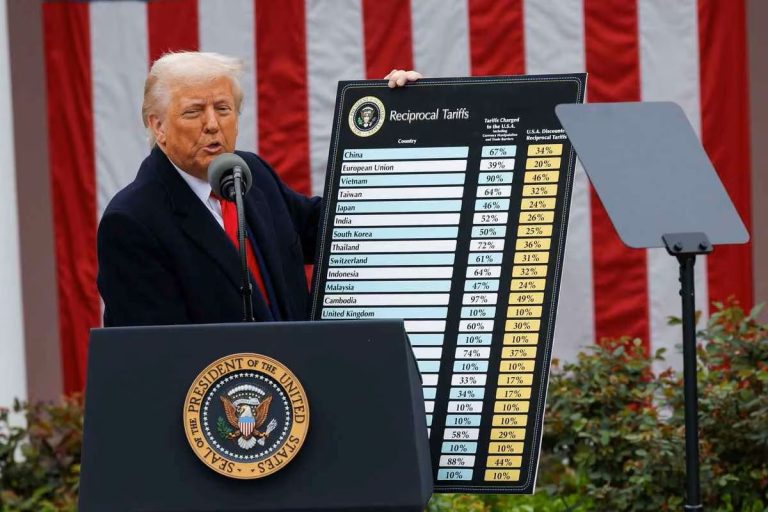
Tariffs and Trump: Reciprocity or Recklessness?

On May 21st, Donald Trump announced sweeping tariffs on EU goods and issued a sharp warning to Apple: move production to the U.S. or face penalties. It’s classic Trump; loud, provocative, and deeply strategic. But is it smart policy or reckless power play? This piece unpacks the logic behind the move, weighing its morality, fairness, and real-world impact in a tense moment for global trade and economic diplomacy.

Read MoreTariffs and Trump: Reciprocity or Recklessness?

Oval Office Showdown: President Cyril Ramaphosa Faces Off Against Donald Trump

What should have been a strategic dialogue unraveled into a confrontation driven by misinformation. Trump’s reliance on discredited narratives highlighted the risks of populist rhetoric influencing foreign policy, pushing Ramaphosa to defend South Africa’s integrity instead of discussing economic cooperation and global trade partnerships

Read MoreOval Office Showdown: President Cyril Ramaphosa Faces Off Against Donald Trump