Navigating the Reconfiguration of the Global Order

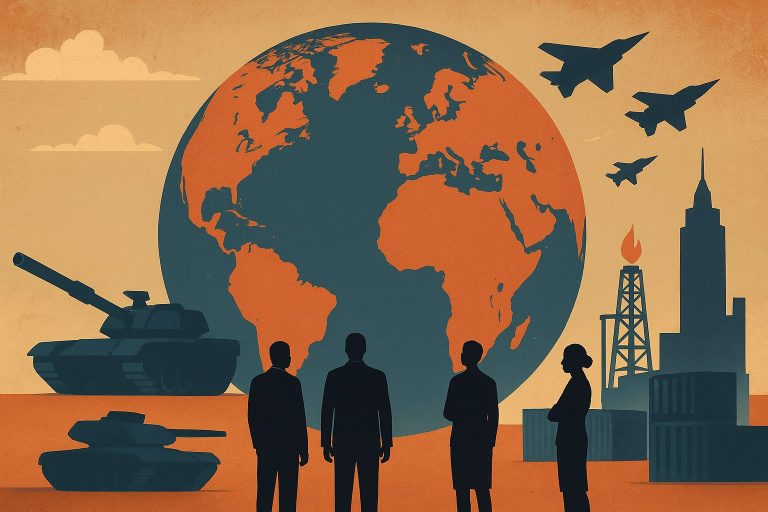
The global order is undergoing its deepest reconfiguration since the Cold War. Power is diffusing beyond the U.S.–China axis to assertive regional powers, non-state actors, and transnational corporations. Conflicts, supply-chain shocks, and climate pressures are exposing the fragility of old institutions. De-risking strategies, digital competition, and the energy transition are redrawing economic and security maps in real time. Resilience, adaptability, and pragmatic cooperation—not outdated assumptions—will determine which nations and institutions thrive in this fluid, contested system.

Read MoreNavigating the Reconfiguration of the Global Order

Israel Attacks Qatar: Implications for US-Gulf Relations:

Israel’s airstrike on Hamas leaders in Doha has shaken US–Gulf relations, undermining Washington’s reputation as a reliable security guarantor. Gulf states now view the US as prioritizing Israel over their sovereignty, prompting calls for greater self-sufficiency and alternative security arrangements. Qatar’s suspension of mediation efforts and backlash against the Abraham Accords signal potential diplomatic fallout. Unless Washington reins in Israeli overreach, it risks losing influence, weakening regional partnerships, and ceding ground to rival powers such as China or Russia.

Read MoreIsrael Attacks Qatar: Implications for US-Gulf Relations:

Recognition Without Reconciliation: The Palestine Recognition Shake-Up

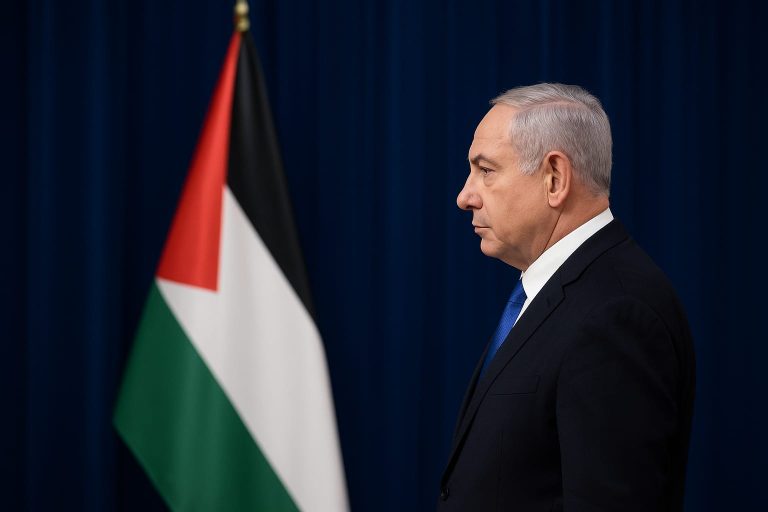
Britain, Canada, and Australia’s recognition of Palestine has upended the diplomatic balance. While Palestinians hail the move as overdue legitimacy, Israeli Prime Minister Netanyahu vows there will be “no Palestinian state,” framing the decision as a reward for extremism. This Western shift pressures Washington, unsettles Arab capitals, and raises expectations for Palestinian governance. Recognition does not create statehood, but it changes the political calculus—forcing Israel, its allies, and its critics to rethink their next moves.

Read MoreRecognition Without Reconciliation: The Palestine Recognition Shake-Up

India at Tianjin: Modi’s SCO Gambit in a Multipolar World

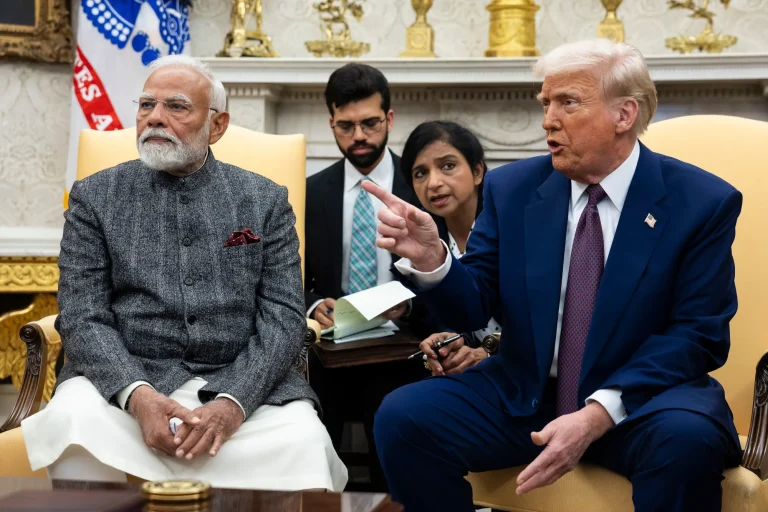
India enters the SCO summit walking a razor’s edge. Between Russia’s embrace, China’s rivalry, and America’s pressure, New Delhi’s old habit of “working with everyone” is becoming unsustainable. Modi’s meetings with Xi and Putin are more than routine diplomacy—they are tests of India’s strategic agility in a fractured world. The question is no longer whether India can remain non-aligned, but how long it can keep balancing before being forced to choose a side.

Read MoreIndia at Tianjin: Modi’s SCO Gambit in a Multipolar World

Forced Relocation and Civil Commitment: Trumps’ Executive Order to Ban Rough Sleeping 

President Trump’s executive order banning rough sleeping marks a sharp policy shift from the housing-first approach toward punitive enforcement. Backed by the Supreme Court’s Grants Pass v. Johnson ruling, the order deploys federal agents in Washington, DC to forcibly relocate and civilly commit homeless individuals. While framed as restoring public order, the policy risks worsening homelessness by criminalising poverty, straining shelters, and displacing individuals without alternatives. Critics warn it deepens marginalisation, fuels migration to other cities, and undermines long-term solutions.

Read MoreForced Relocation and Civil Commitment: Trumps’ Executive Order to Ban Rough Sleeping 

The Alaska Summit: Why Trump and Putin’s Meeting Marks a Diplomatic Success

The Alaska Summit between Trump and Putin marked a subtle but meaningful diplomatic success. While no ceasefire or land swap was announced, the meeting established common ground, opened channels for future talks, and secured a commitment to reconvene. Trump’s pledge to consult Zelenskyy, NATO, and European allies underscores a process-driven approach rather than unilateralism. History shows that first meetings often set the stage for breakthroughs. By creating momentum and continuity, Anchorage became a quiet step toward potential peace.

Read MoreThe Alaska Summit: Why Trump and Putin’s Meeting Marks a Diplomatic Success

Trump’s India Tariff Is Less About Trade 

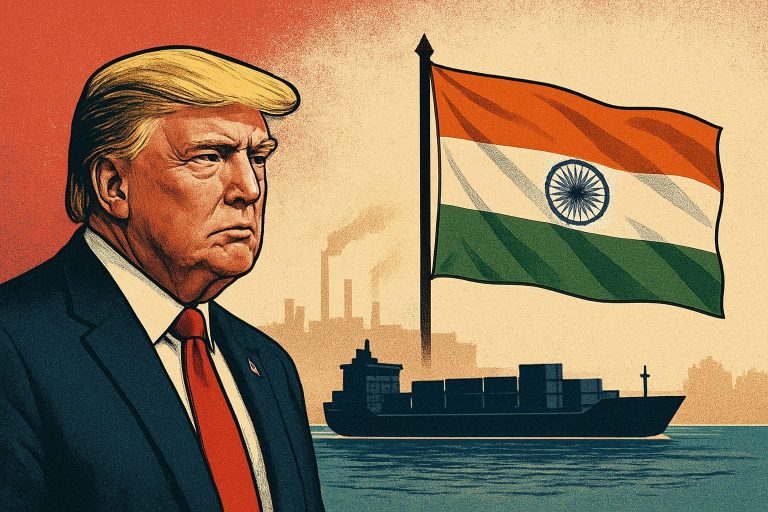
Trump’s tariff on Indian goods is less about trade and more a geopolitical ultimatum. It forces India to choose between aligning with U.S. strategic preferences or facing economic pain. The move targets key sectors like textiles, gems, and auto parts, pressuring India’s hedging strategy amid global power competition. Legal routes like the WTO offer little relief. India must respond swiftly with tactical diplomacy, market diversification, economic restructuring, and a clear narrative asserting its strategic autonomy to preserve sovereignty and growth.

Read MoreTrump’s India Tariff Is Less About Trade 

India After the Tariffs: What Next in a World Where the WTO Can’t Save You?

The Trump-era tariff revival against India signals more than a trade dispute—it’s a strategic message. As the U.S. recalibrates its economic alliances, India must confront hard truths: WTO diplomacy won’t suffice. New Delhi must pivot toward resilient trade diversification, domestic manufacturing strength, and assertive bilateral diplomacy. This is not just about steel or solar panels—it’s about global positioning. In the shifting tides of protectionism, India must act not as a victim, but as a counterforce.

Read MoreIndia After the Tariffs: What Next in a World Where the WTO Can’t Save You?

After The Strike: Why Trump’s Ceasefire Isn’t the Endgame 

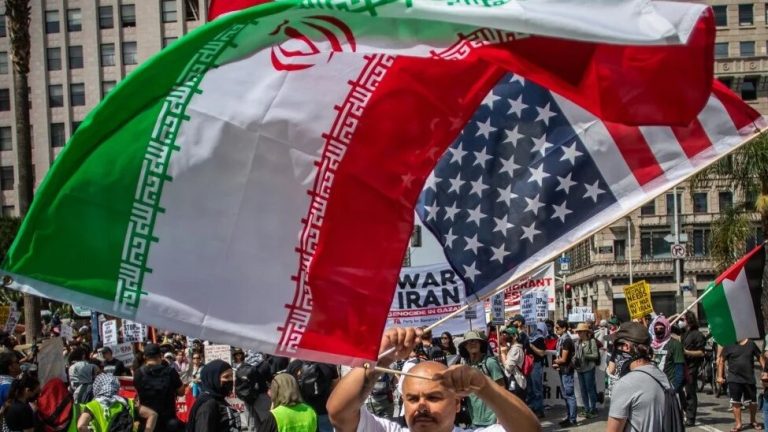
President Trump’s strike on Iran’s nuclear facilities, followed by a surprise ceasefire, has jolted the global order—but it’s not the endgame. This is a high-stakes pause, not peace. The real test lies in converting military leverage into a lasting strategic framework. For Africa and the Global South, the episode signals a shift in U.S. power projection—swift, forceful, then restrained. If not followed by coherent diplomacy, it risks becoming just another spark in a volatile world.

Read MoreAfter The Strike: Why Trump’s Ceasefire Isn’t the Endgame