Barack Obama: Defending Democracy in a Fractured Era
Obama opened by acknowledging that democracy is not self-sustaining. “It requires people… who take an oath to uphold the Constitution to take that oath seriously,” he said. He warned that when those in power disregard democratic norms, such as the rule of law, judicial independence, and freedom of the press, the system begins to erode.

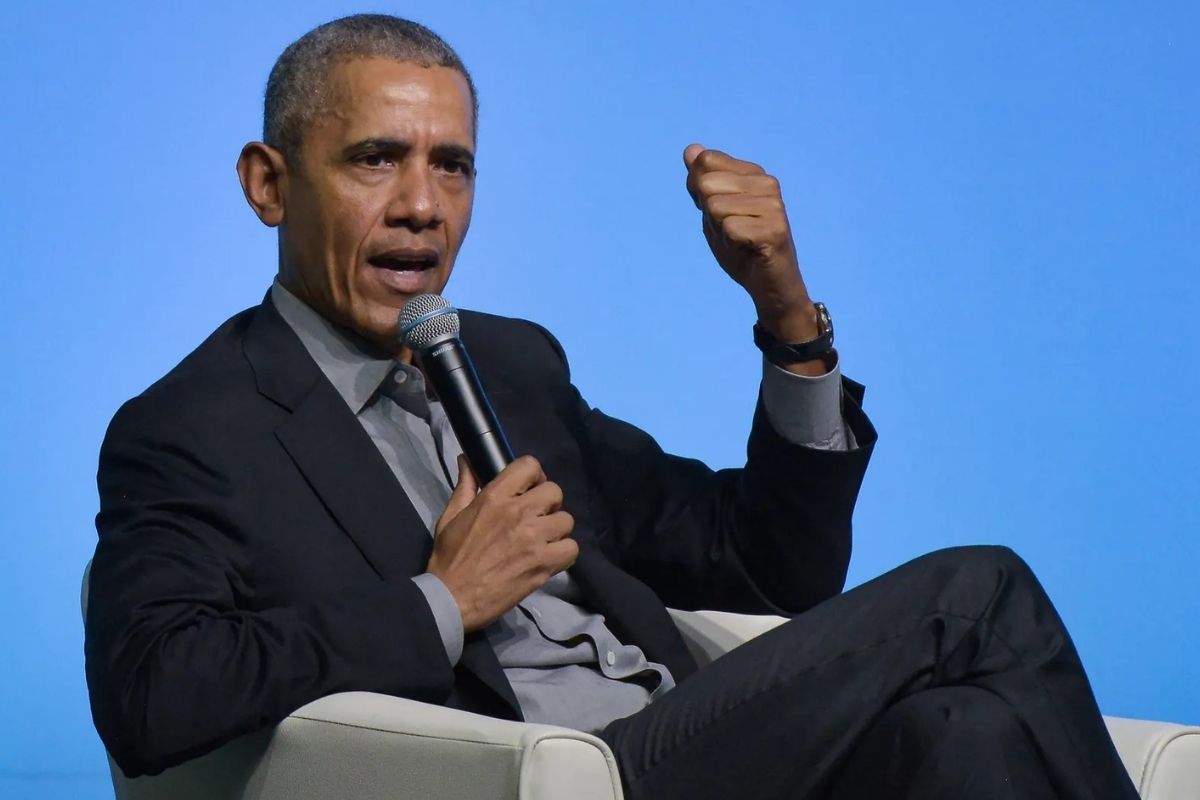
At the Connecticut Forum on 17 June 2025, former U.S. President Barack Obama delivered a candid and far-reaching conversation on the state of American democracy. Speaking with clarity and urgency, Obama reflected on the fragility of democratic institutions, the rise of authoritarian tendencies, and the social and economic forces reshaping the United States. His remarks, grounded in personal experience and historical insight, offered both a sobering diagnosis and a hopeful call to action.
Democracy Under Strain
Obama opened by acknowledging that democracy is not self-sustaining. “It requires people… who take an oath to uphold the Constitution to take that oath seriously,” he said. He warned that when those in power disregard democratic norms, such as the rule of law, judicial independence, and freedom of the press, the system begins to erode.
He cited examples of democratic backsliding, drawing parallels with Hungary under Viktor Orbán, where elections persist but pluralism and checks on power have weakened. Obama stressed that the U.S. is not immune to such trends, noting that “we are dangerously close to normalising behaviour” inconsistent with democratic values.
The Role of Citizens and Institutions
A central theme of Obama’s remarks was the interplay between grassroots activism and institutional leadership. He argued that meaningful change arises when ordinary people come together and reimagine what their lives could be, but also when elected officials and civil servants translate that energy into policy.
He acknowledged the tension between idealism and pragmatism, especially in a diverse and polarised society. “We want all of what we want, all the time, right now,” he said. But democracy demands compromise and patience.
Economic Inequality and Globalisation
Obama traced many of today’s political tensions to the economic transformations of the post-Cold War era. The collapse of the Berlin Wall and the rise of global capitalism lifted millions out of poverty, particularly in China and Eastern Europe. However, in the U.S. and other advanced economies, these shifts created a “winner-take-all” dynamic.
Those with capital and education thrived, while others faced job losses and stagnating wages. “People didn’t get poorer, but the gap widened,” Obama explained. This inequality, combined with the visibility afforded by smartphones and social media, fuelled resentment and identity-based politics.
The Disruptive Power of Technology
Obama, who embraced digital tools during his 2008 campaign, acknowledged the double-edged nature of technology. While platforms like Meetup once helped build community, today’s social media algorithms often amplify outrage and misinformation.
He criticised the shift in business models that prioritise engagement over accuracy, stating that platforms now elevate the most hateful voices because anger drives clicks. This, he argued, has fractured the public sphere and undermined shared facts, which are essential for democratic debate.
Rebuilding Trust and Shared Identity
Asked how to restore a sense of national unity, Obama pointed to the enduring American story: a belief in equality, dignity, and collective responsibility. He contrasted this with a “bad story” rooted in hierarchy and exclusion, which he said is being reasserted in some political circles.
He urged institutions such as universities, law firms, and businesses to stand firm in their values, even when facing political or financial pressure. “What do you believe?” he asked. “That’s your starting point.”
The Test of Commitment
Obama reflected on how, during his presidency, many people could support progressive causes without personal sacrifice. Today, he said, commitments are being put to the test. Universities may lose donors, law firms may lose clients, and businesses may face regulatory threats. But true commitment, he argued, is shown “when it’s hard, not just when it’s trendy.”
A Generation of Hope
Despite the challenges, Obama remains optimistic. Through the Obama Foundation, he supports emerging leaders worldwide, from doctors in Appalachia to human rights lawyers in Eastern Europe. These individuals, he said, embody the “better story of America” and are willing to fight for it.
He encouraged young leaders to stand firm in their values while embracing the complexity and diversity of thought. “People are complicated and unique, and they have their own stories,” he said. “You don’t have to agree on everything to work together on something that matters.”
Conclusion
Obama’s remarks also highlighted the growing threat of epistemic fragmentation. He warned that when citizens no longer agree on basic facts, democratic discourse collapses. Referencing the 2020 U.S. election, he criticised political actors who knowingly spread falsehoods, not to persuade but to exhaust public trust. This tactic, he noted, mirrors disinformation strategies used by authoritarian regimes. In such an environment, the challenge is not just misinformation, but the deliberate erosion of shared reality as a tool of political control.
He further cautioned against the manipulation of economic policy for political leverage. Obama pointed to the misuse of tariffs as a means of coercion, where trade policy is weaponised to reward allies and punish dissent. This, he argued, undermines the rule-based international order and corrodes domestic accountability. His comments suggest a need for transparent, rules-driven economic governance that resists transactionalism and protects democratic institutions from being subordinated to personal or partisan gain.
Despite these concerns, Obama expressed confidence in the power of civic imagination. He praised the capacity of diverse communities to self-organise, citing examples of unlikely coalitions formed through shared purpose rather than ideological purity. He urged citizens to resist absolutism and instead build alliances around common goals. Democracy, he concluded, is not sustained by unanimity but by the willingness to cooperate across differences. In a fractured world, that spirit of collective effort may be democracy’s most vital defence.
Aric Jabari is the Editorial Director of the Sixteenth Council.