Electoral Uncertainty in Latin America

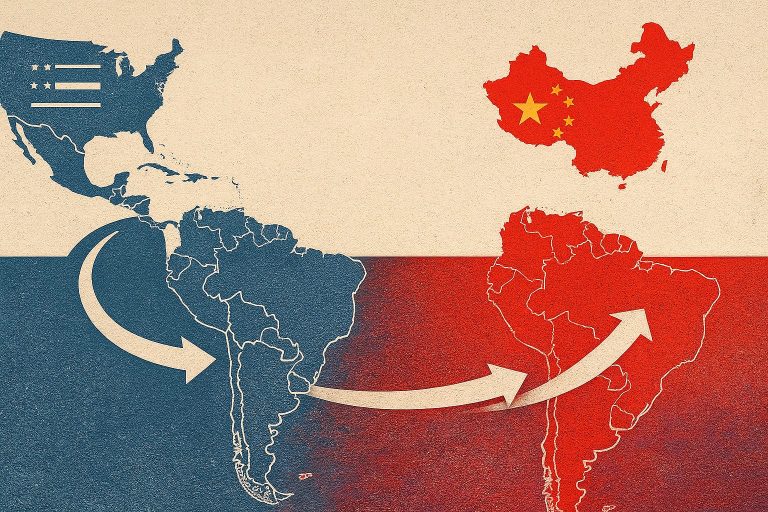
Latin America is entering a period of heightened electoral uncertainty as a dense cycle of elections from late 2025 to 2026 reshapes the region’s political trajectory. Voter fatigue, economic pressures, and dissatisfaction with inequality are fuelling a potential shift away from left-leaning governments toward more centrist or market-oriented leadership. While this transition may unlock reform and investment opportunities, it also heightens risks of policy volatility, social unrest, and intensified geopolitical competition between global powers.

Read MoreElectoral Uncertainty in Latin America

Global Order Under Strain: The Major Foreign-Policy Shocks of 2025

2025 exposed a global order under strain, defined less by decisive realignments than by accumulating shocks. U.S.–China economic confrontation became visibly symmetric, conflict mediation in Ukraine and the Middle East lost credibility, and regional actors assumed security roles once held by global powers. Trade routes, supply chains, and deterrence norms all proved fragile. The year underscored a central reality: major powers retain ambition, but their ability to enforce outcomes is increasingly constrained, producing a more volatile and contested international system.

Read MoreGlobal Order Under Strain: The Major Foreign-Policy Shocks of 2025

Economies to Watch in 2026

The global economy entering 2026 is no longer governed primarily by growth cycles, but by strategic stress. Fiscal exhaustion in advanced economies, geopolitical fragmentation, energy realism, and uneven technological diffusion are reshaping economic outcomes. The most consequential economies in 2026 will not be those expanding fastest, but those sitting at critical inflection points—capable of transmitting shock, absorbing volatility, or redefining alignment. Economics has become an instrument of power, constraint, and contest.

Read MoreEconomies to Watch in 2026

Economic Policy Variation in Latin America

Latin America’s economic landscape is shifting as countries balance slow growth with rising geopolitical pressures. Diversified trade—especially deeper ties with China—and selective nearshoring are reshaping regional dynamics. While open-market economies like Chile and Colombia expand global access, protectionist players such as Brazil and Argentina prioritise shielding domestic industries. Despite strong potential, the region faces fiscal strain, low productivity, and infrastructure deficits. Long-term growth hinges on structural reforms and fiscal consolidation to strengthen resilience in a volatile global market.

Read MoreEconomic Policy Variation in Latin America

Development of UK Trade Deals since Brexit

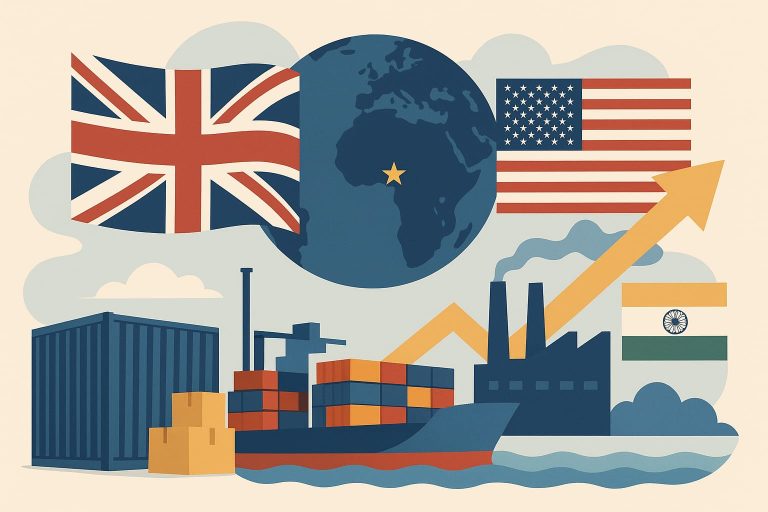
Since Brexit, the UK has pursued new and amended trade deals to expand market access and strengthen international partnerships. Agreements with the EU, US, India, and Pacific nations reflect efforts to boost exports, attract investment, and drive growth under the Invest 2035 strategy. Despite ongoing economic instability, these trade deals support diversification, innovation, and employment across high-growth sectors such as technology, clean energy, and manufacturing—positioning trade as a central pillar of the UK’s long-term recovery and competitiveness.

Read MoreDevelopment of UK Trade Deals since Brexit

Recognition Without Reconciliation: The Palestine Recognition Shake-Up

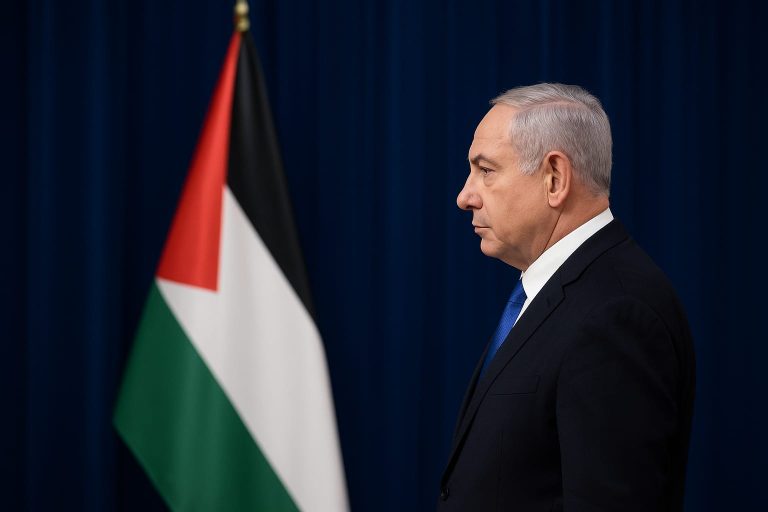
Britain, Canada, and Australia’s recognition of Palestine has upended the diplomatic balance. While Palestinians hail the move as overdue legitimacy, Israeli Prime Minister Netanyahu vows there will be “no Palestinian state,” framing the decision as a reward for extremism. This Western shift pressures Washington, unsettles Arab capitals, and raises expectations for Palestinian governance. Recognition does not create statehood, but it changes the political calculus—forcing Israel, its allies, and its critics to rethink their next moves.

Read MoreRecognition Without Reconciliation: The Palestine Recognition Shake-Up

What does Chinese Military Expansion mean?

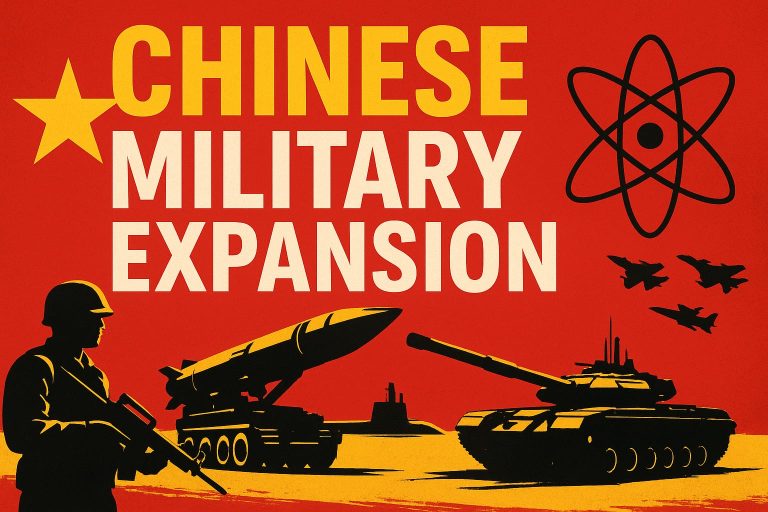
Beijing’s Victory Day parade has brought global attention to China’s military expansion and new nuclear capabilities. The strong demonstration of military power reflects President Xi’s political ambitions for China, carrying implications for both the East Asian region and international relations. Geopolitical tensions both within the region and between China and the US, as well as the development of diplomatic partnerships between China, Russia, and North Korea, mark an increase in militaristic competition and spending, and a united front against Western interference.

Read MoreWhat does Chinese Military Expansion mean?

Tensions escalate as Venezuela mobilizes 4.5 million militiamen in response to US crackdown on drug trafficking.

Venezuela has announced the mobilisation of 4.5 million militiamen throughout the country in response to increased US naval movements in the Latin America and Caribbean (LAC) region. The conflict is based on the national security threat of drug cartel activities, which have history of illegal drug trade into the US. Venezuelan president Maduro argues that US military imposition in the region undermines sovereignty and independence. The conflict threatens peace and stability in the region, with potential consequences for Venezuela’s economic crisis and humanitarian challenges. For the US, it could mean increased control over oil reserves and immigration.

Read MoreTensions escalate as Venezuela mobilizes 4.5 million militiamen in response to US crackdown on drug trafficking.

Peru–Indonesia Trade Diplomacy: CEPA Momentum Amid U.S. Tariff Pressures

Peruvian President Dina Boluarte and Indonesian President Prabowo Subianto met in Lima to advance economic cooperation amid new U.S. tariffs—19% on Peru and 10% on Indonesia. Central to their talks was the Comprehensive Economic Partnership Agreement (CEPA), expected to be signed soon after being agreed in principle in May. The pact positions Peru as Indonesia’s bridge to Latin America and Indonesia as Peru’s entry into Southeast Asia, reinforcing cooperation in trade, food security, energy, and sustainable development.

Read MorePeru–Indonesia Trade Diplomacy: CEPA Momentum Amid U.S. Tariff Pressures

Alaska Summit, No Ceasefire: What the Trump–Putin Optics Mean for Kyiv and Europe

The Trump–Putin summit in Alaska produced headlines but no ceasefire. Moscow floated a deal trading territorial concessions for a freeze, but Kyiv and Europe firmly rejected redrawing borders by force. For Russia, the optics eased isolation; for Ukraine, exclusion risked weakening support. Civilian casualties hit a three-year high, underscoring the costs of delay. With Trump set to meet Zelensky in Washington, the next test is whether U.S. mediation can deliver a sovereignty-first framework that Europe and Kyiv accept.

Read MoreAlaska Summit, No Ceasefire: What the Trump–Putin Optics Mean for Kyiv and Europe