
Global Order Under Strain: The Major Foreign-Policy Shocks of 2025

2025 exposed a global order under strain, defined less by decisive realignments than by accumulating shocks. U.S.–China economic confrontation became visibly symmetric, conflict mediation in Ukraine and the Middle East lost credibility, and regional actors assumed security roles once held by global powers. Trade routes, supply chains, and deterrence norms all proved fragile. The year underscored a central reality: major powers retain ambition, but their ability to enforce outcomes is increasingly constrained, producing a more volatile and contested international system.
Read MoreGlobal Order Under Strain: The Major Foreign-Policy Shocks of 2025

Economies to Watch in 2026

The global economy entering 2026 is no longer governed primarily by growth cycles, but by strategic stress. Fiscal exhaustion in advanced economies, geopolitical fragmentation, energy realism, and uneven technological diffusion are reshaping economic outcomes. The most consequential economies in 2026 will not be those expanding fastest, but those sitting at critical inflection points—capable of transmitting shock, absorbing volatility, or redefining alignment. Economics has become an instrument of power, constraint, and contest.

Read MoreEconomies to Watch in 2026

Economic Policy Variation in Latin America

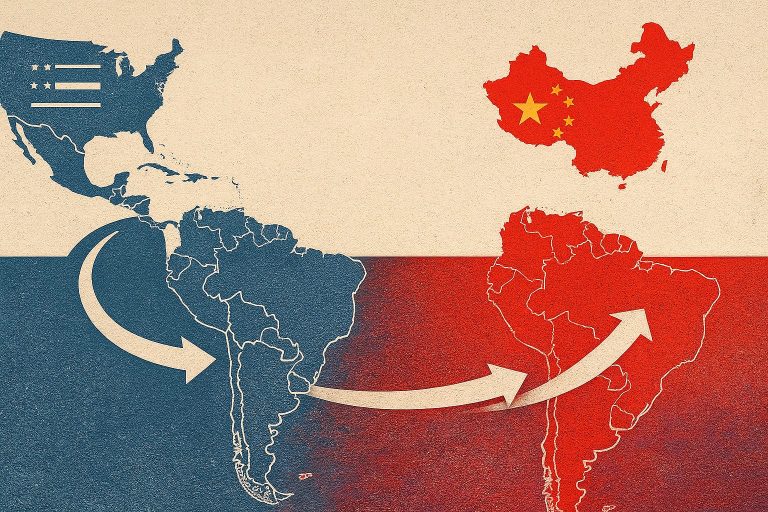
Latin America’s economic landscape is shifting as countries balance slow growth with rising geopolitical pressures. Diversified trade—especially deeper ties with China—and selective nearshoring are reshaping regional dynamics. While open-market economies like Chile and Colombia expand global access, protectionist players such as Brazil and Argentina prioritise shielding domestic industries. Despite strong potential, the region faces fiscal strain, low productivity, and infrastructure deficits. Long-term growth hinges on structural reforms and fiscal consolidation to strengthen resilience in a volatile global market.

Read MoreEconomic Policy Variation in Latin America