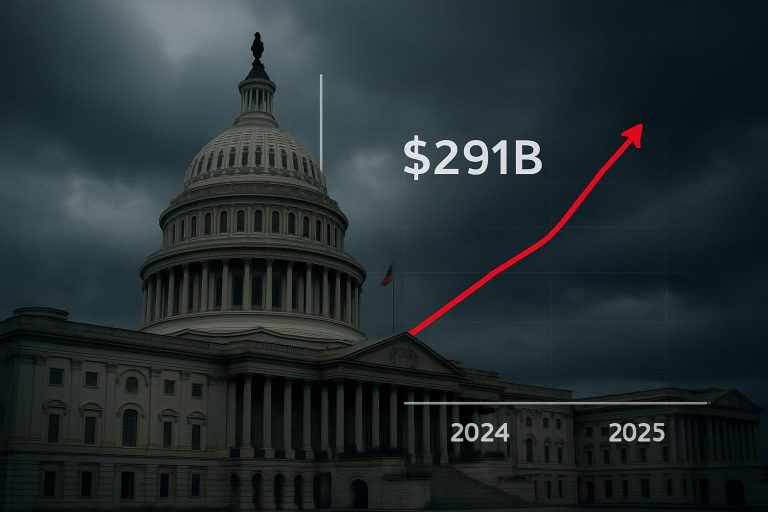
Tariffs Up, Treasury Down: Why Washington’s Red Ink Matter

The U.S. federal deficit widened to $291 billion in July, a 19% year-on-year rise, despite tariff revenues tripling under Trump’s trade regime. Customs duties reached $21 billion, but were eclipsed by surging healthcare, Social Security, and debt service costs. With the year-to-date shortfall at $1.63 trillion, Washington faces a structural imbalance that tariff windfalls cannot offset. Fiscal sustainability now collides with strategic ambition, reshaping America’s capacity to fund defense, sustain alliances, and project power abroad.

Read MoreTariffs Up, Treasury Down: Why Washington’s Red Ink Matter

Alaska Summit, No Ceasefire: What the Trump–Putin Optics Mean for Kyiv and Europe

The Trump–Putin summit in Alaska produced headlines but no ceasefire. Moscow floated a deal trading territorial concessions for a freeze, but Kyiv and Europe firmly rejected redrawing borders by force. For Russia, the optics eased isolation; for Ukraine, exclusion risked weakening support. Civilian casualties hit a three-year high, underscoring the costs of delay. With Trump set to meet Zelensky in Washington, the next test is whether U.S. mediation can deliver a sovereignty-first framework that Europe and Kyiv accept.

Read MoreAlaska Summit, No Ceasefire: What the Trump–Putin Optics Mean for Kyiv and Europe

The Alaska Summit: Why Trump and Putin’s Meeting Marks a Diplomatic Success

The Alaska Summit between Trump and Putin marked a subtle but meaningful diplomatic success. While no ceasefire or land swap was announced, the meeting established common ground, opened channels for future talks, and secured a commitment to reconvene. Trump’s pledge to consult Zelenskyy, NATO, and European allies underscores a process-driven approach rather than unilateralism. History shows that first meetings often set the stage for breakthroughs. By creating momentum and continuity, Anchorage became a quiet step toward potential peace.

Read MoreThe Alaska Summit: Why Trump and Putin’s Meeting Marks a Diplomatic Success

Trump’s India Tariff Is Less About Trade 

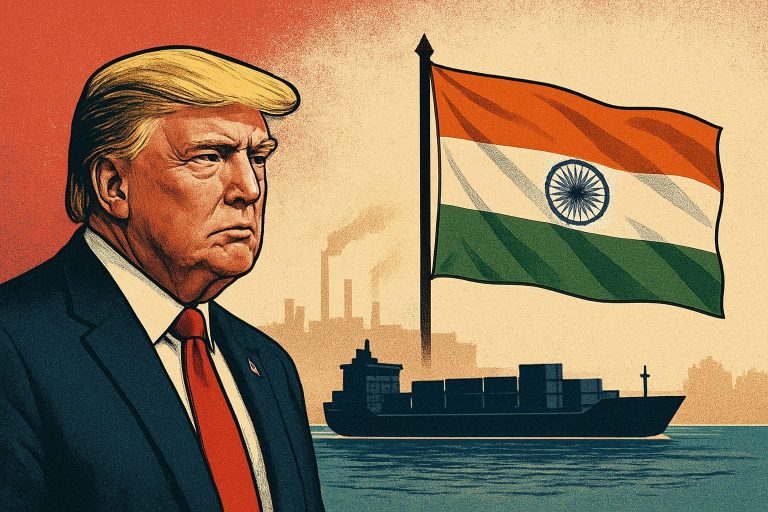
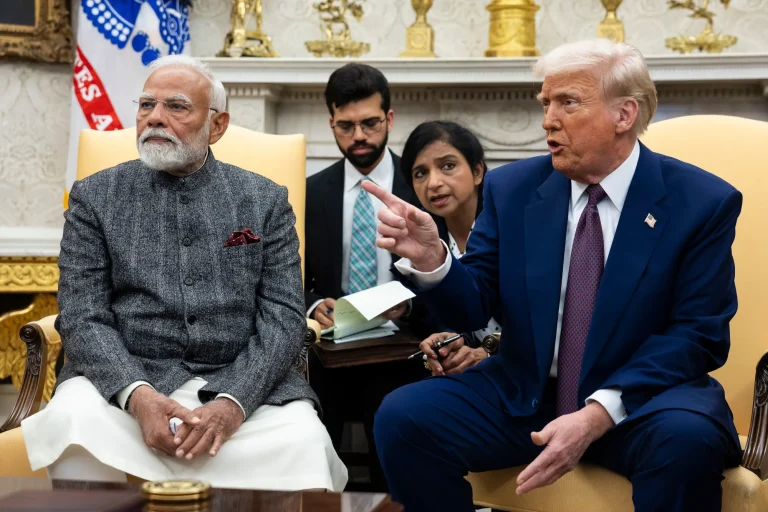
Trump’s tariff on Indian goods is less about trade and more a geopolitical ultimatum. It forces India to choose between aligning with U.S. strategic preferences or facing economic pain. The move targets key sectors like textiles, gems, and auto parts, pressuring India’s hedging strategy amid global power competition. Legal routes like the WTO offer little relief. India must respond swiftly with tactical diplomacy, market diversification, economic restructuring, and a clear narrative asserting its strategic autonomy to preserve sovereignty and growth.

Read MoreTrump’s India Tariff Is Less About Trade 

India After the Tariffs: What Next in a World Where the WTO Can’t Save You?

The Trump-era tariff revival against India signals more than a trade dispute—it’s a strategic message. As the U.S. recalibrates its economic alliances, India must confront hard truths: WTO diplomacy won’t suffice. New Delhi must pivot toward resilient trade diversification, domestic manufacturing strength, and assertive bilateral diplomacy. This is not just about steel or solar panels—it’s about global positioning. In the shifting tides of protectionism, India must act not as a victim, but as a counterforce.

Read MoreIndia After the Tariffs: What Next in a World Where the WTO Can’t Save You?

Strategic Partner or Dominant Power? Rethinking U.S. Influence on NATO’s Consensus Model

For decades, intergovernmental military alliance NATO has held up its consensus-based decision-making as proof of its democratic values. A system where every member has an equal voice and consensus dictates agreement through unity. Yet, as the dominant military and financial contributor, the influence of the United States has always been apparent. In 2025, does that influence increasingly override collaborative negotiation?

Read MoreStrategic Partner or Dominant Power? Rethinking U.S. Influence on NATO’s Consensus Model

The Big Beautiful Bill: Domestic Vision, Global Ripples

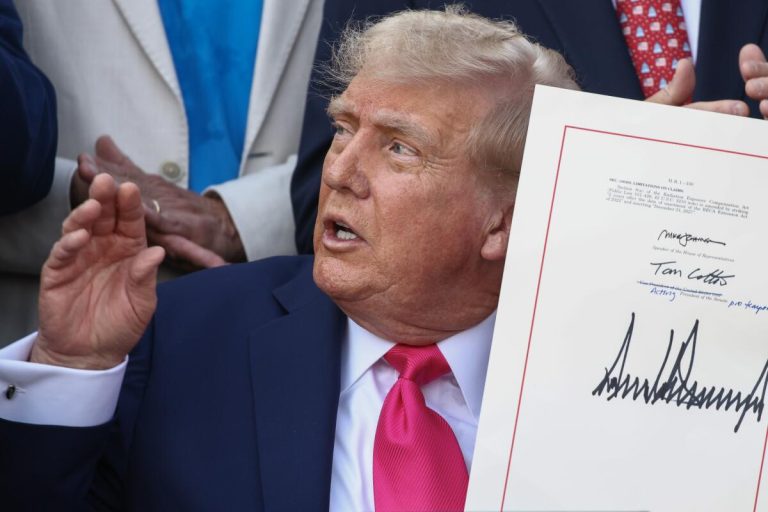
Donald Trump’s “Big Beautiful Bill,” passed on July 4, 2025, delivers sweeping tax cuts and boosts defense and immigration enforcement, but faces sharp criticism over its impact on debt and social safety nets. While the administration touts economic benefits, the bill reallocates Medicaid and SNAP funding to states and imposes new work requirements. Internationally, Trump’s tariff strategy—especially on countries like South Africa—raises economic uncertainty. The bill marks a bold, polarising vision with far-reaching domestic and global implications.

Read MoreThe Big Beautiful Bill: Domestic Vision, Global Ripples

Precarious Pact: Unpacking the DRC-Rwanda Peace Deal

Signed on 27 June 2025 in Washington, the DRC-Rwanda peace agreement marks a high-stakes attempt to end decades of violence in the Great Lakes. Brokered by the U.S. and Qatar, the accord intertwines territorial assurances, militia disarmament, and a minerals-for-security agenda. Yet, deep-rooted mistrust, the M23’s absence, and fragile state institutions raise urgent questions about the deal’s durability.

Read MorePrecarious Pact: Unpacking the DRC-Rwanda Peace Deal

After The Strike: Why Trump’s Ceasefire Isn’t the Endgame 

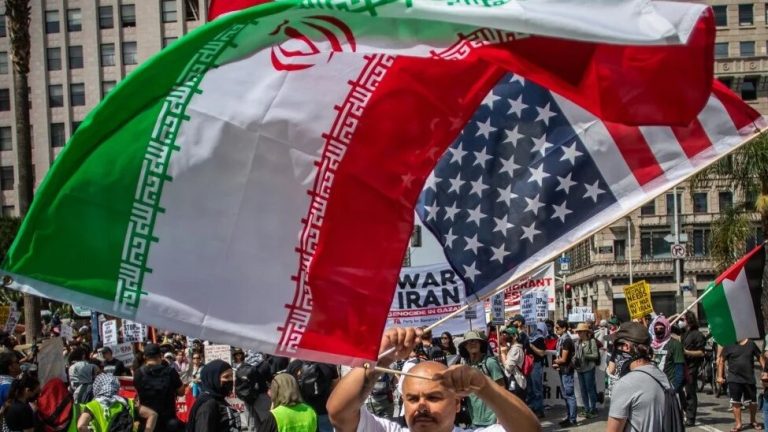
President Trump’s strike on Iran’s nuclear facilities, followed by a surprise ceasefire, has jolted the global order—but it’s not the endgame. This is a high-stakes pause, not peace. The real test lies in converting military leverage into a lasting strategic framework. For Africa and the Global South, the episode signals a shift in U.S. power projection—swift, forceful, then restrained. If not followed by coherent diplomacy, it risks becoming just another spark in a volatile world.

Read MoreAfter The Strike: Why Trump’s Ceasefire Isn’t the Endgame 

To Intervene or not to Intervene – Consequences of a US Entry into the Iran-Israel Conflict

A U.S. intervention in the escalating Iran-Israel conflict risks igniting a broader regional war, straining ties with Gulf allies, and triggering domestic political backlash. As military assets mobilize and tensions rise, Washington stands at a crossroads: defend its strategic partner or uphold a doctrine of restraint. With public opinion divided and regional stability on the line, the costs of action may far outweigh the benefits. Diplomacy may be the only viable path forward.

Read MoreTo Intervene or not to Intervene – Consequences of a US Entry into the Iran-Israel Conflict