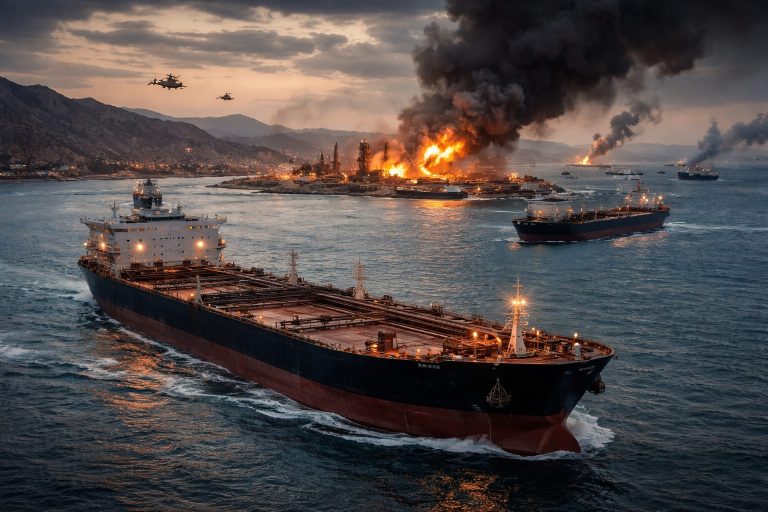
Impact of the 2026 Iran Conflict on Global Oil Markets

The 2026 Iran conflict has triggered severe volatility in global oil markets, driven largely by the closure of the Strait of Hormuz, a key artery for nearly 20% of global oil supply. Prices have surged above $100 per barrel, disrupting trade, transportation, and economic stability worldwide. Import-dependent regions, particularly in Asia and Europe, face acute shortages, while emergency reserves and energy transitions offer only partial relief amid ongoing geopolitical uncertainty.

Read MoreImpact of the 2026 Iran Conflict on Global Oil Markets

To Intervene or not to Intervene – Consequences of a US Entry into the Iran-Israel Conflict

A U.S. intervention in the escalating Iran-Israel conflict risks igniting a broader regional war, straining ties with Gulf allies, and triggering domestic political backlash. As military assets mobilize and tensions rise, Washington stands at a crossroads: defend its strategic partner or uphold a doctrine of restraint. With public opinion divided and regional stability on the line, the costs of action may far outweigh the benefits. Diplomacy may be the only viable path forward.

Read MoreTo Intervene or not to Intervene – Consequences of a US Entry into the Iran-Israel Conflict

A New Iran Nuclear Deal – Can an Agreement be Reached or Will a Conflict be Born?

As US-Iran nuclear negotiations stall, rising tensions risk igniting conflict. While interim deals and Omani-mediated proposals offer hope, like a regional consortium enriching uranium under IAEA oversight, key issues remain unresolved. President Trump’s threats of airstrikes and Israel’s potential unilateral action underscore the stakes. A peaceful resolution via the Omani framework may avert regional destabilization and ensure Iran’s nuclear program remains civilian-focused under multilateral scrutiny.

Read MoreA New Iran Nuclear Deal – Can an Agreement be Reached or Will a Conflict be Born?