The Aftermath of the Canadian Federal Elections: Who are the Winners and Losers?

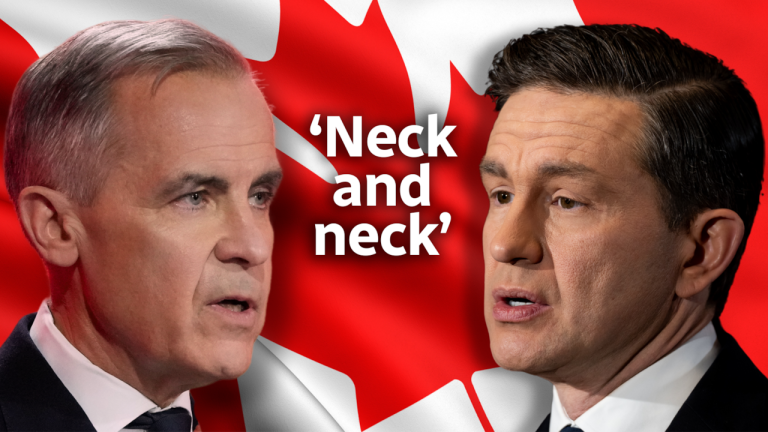
Although Carney and the Liberal Party were able to gain enough seats to form a government, they do not have enough to form a majority government. This is clear as the Liberals managed to win 169 seats in the House of Commons, which is three shy of the 172 needed to have a supermajority (Faguy, 2025). As a result, the Liberals will have to negotiate and build ties with the other opposition parties in order to form an effective government and produce policy
Read MoreThe Aftermath of the Canadian Federal Elections: Who are the Winners and Losers?

Canada’s Choice: An Analysis on the Candidates and their Policies 

While Carney’s economic acumen and climate change advocacy makes him a formidable candidate for the Prime Minister’s seat, some may argue that his lack of experience and policies make him unfit to be the country’s next leader. This lack of experience is highlighted when McGill University Political Science Professor, Daniel Beland, claimed that Carney was untested during the Liberal Party election

Read MoreCanada’s Choice: An Analysis on the Candidates and their Policies 

Trade Wars and Annexation Threats: Is the US-Canada Relationship Doomed?

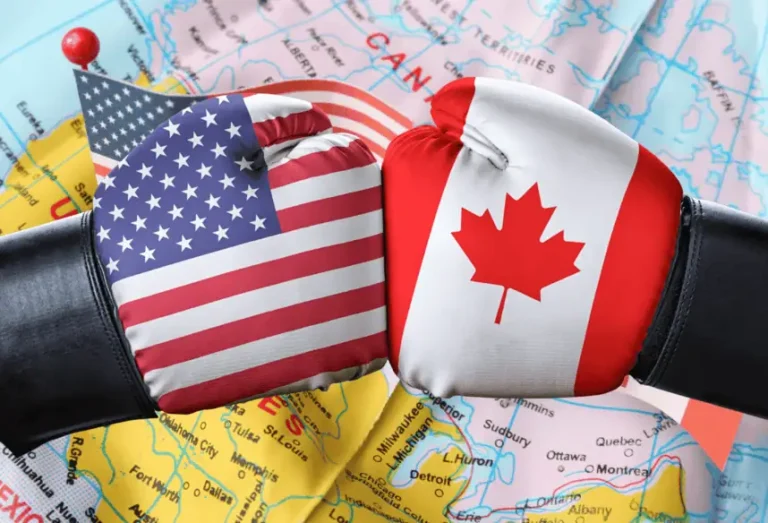
Not long after his inauguration, Trump announced a plan to place tariffs on Canada, Mexico, and China as part of his trade policy. In the case of Canada, Trump placed 10% ad valorem duties on Canadian energy and energy resources as well 25% ad valorem duties on all goods that are not energy related (Allen et.al, 2025). While some can argue tariffs can be used as a leveraging tool to compete against trade competitors such as China and as a coercion tool to force Mexico to deal with migration issues, the reasoning behind placing tariffs on Canadian goods and resources leaves room for numerous questions

Read MoreTrade Wars and Annexation Threats: Is the US-Canada Relationship Doomed?

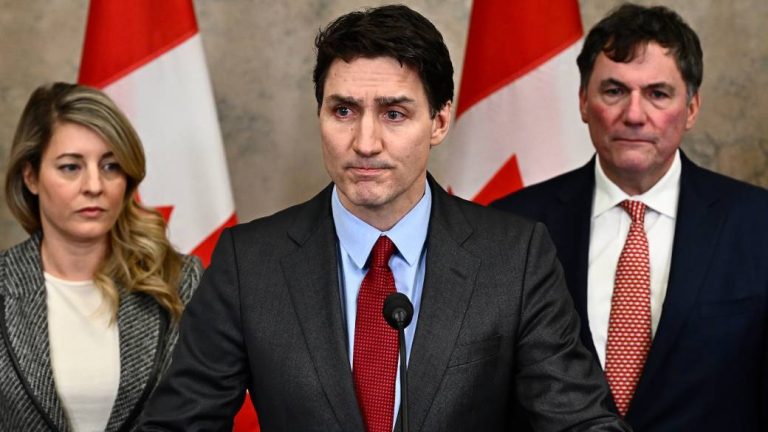
Canada’s Strategic Misstep: Why Trudeau’s Retaliatory Tariffs Were a Costly Mistake and How Canada Can Recover

Unlike larger economies such as China or the European Union, Canada does not have the economic or political leverage to engage in a prolonged trade war with the United States. This makes Trudeau’s response not only impractical but also strategically flawed. If Canada had approached the situation differently—through diplomacy, economic realignment, and targeted negotiations—the outcome could have been more beneficial.

Read MoreCanada’s Strategic Misstep: Why Trudeau’s Retaliatory Tariffs Were a Costly Mistake and How Canada Can Recover