Examining global trade dynamics and tariff policies, analyzing their implications for economies and international relations.

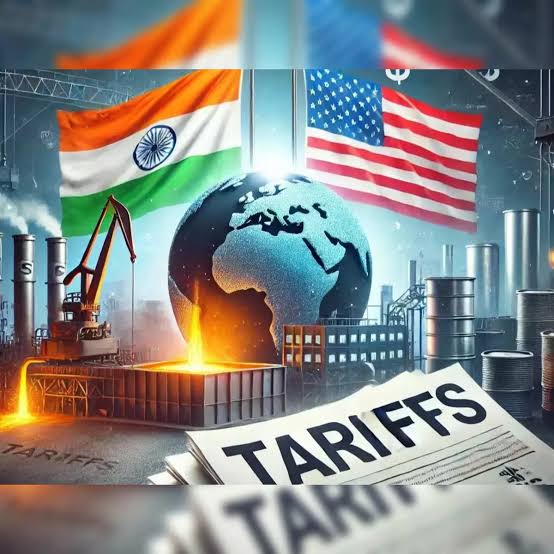
Donald Trump’s Tariff Impacts on Private Markets: A Deep-Dive Analysis of Economic Sovereignty, Global Trade, and American Industry Decline

Tariffs, once considered a relic of protectionist pasts, returned with brute force under President Donald J. Trump. With the rise of “America First,” a slogan that evolved into a full-fledged economic doctrine, Trump redrew the lines of international trade. His…
Read MoreDonald Trump’s Tariff Impacts on Private Markets: A Deep-Dive Analysis of Economic Sovereignty, Global Trade, and American Industry Decline

Are We Witnessing the End of the Neoliberal World Order?

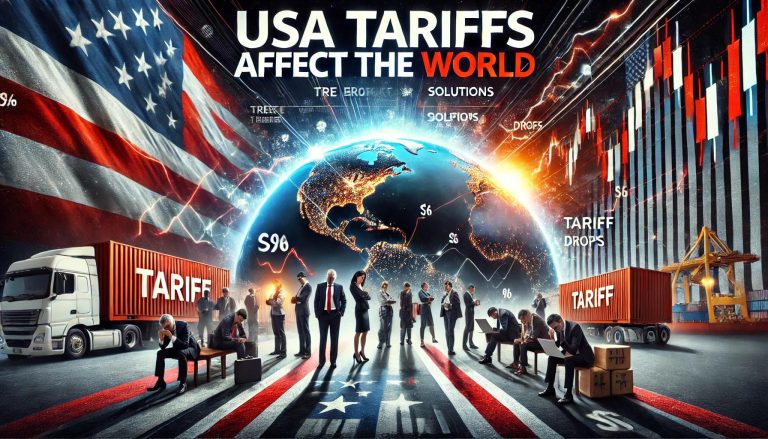
President Trump’s “Liberation Day” on April 2, 2025 will be remembered as a day that shook the financial world. American stock markets shed nearly $5.4 trillion within 48 hours of the tariff announcements, causing panic among investors worldwide. Despite receiving multiple calls and messages from people predicting complete financial meltdown and watching the media frenzy

Read MoreAre We Witnessing the End of the Neoliberal World Order?

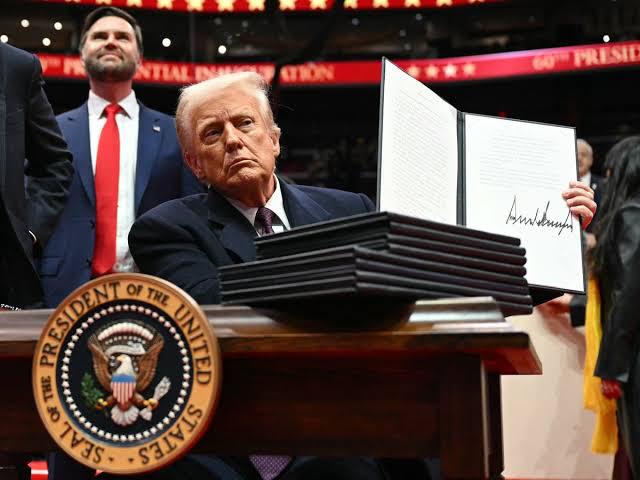
The Great Experiment: How to Make Trump’s Tariffs Work for America

Trump’s tariffs target countries like China and industries where America has been losing competitive ground. The goal is to make it more expensive for U.S. companies to rely on cheap foreign imports, thereby pushing them to manufacture goods domestically. This aligns with his broader “America First” agenda, which aims to bring back jobs, reduce trade deficits, and protect critical industries like steel, semiconductors, and pharmaceuticals

Read MoreThe Great Experiment: How to Make Trump’s Tariffs Work for America

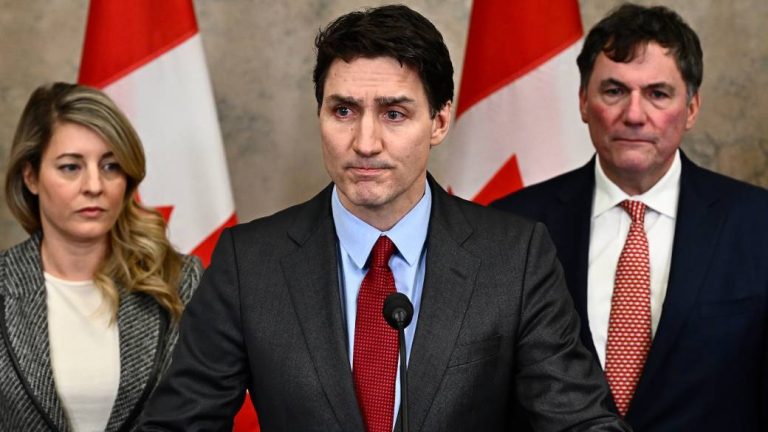
Canada’s Strategic Misstep: Why Trudeau’s Retaliatory Tariffs Were a Costly Mistake and How Canada Can Recover

Unlike larger economies such as China or the European Union, Canada does not have the economic or political leverage to engage in a prolonged trade war with the United States. This makes Trudeau’s response not only impractical but also strategically flawed. If Canada had approached the situation differently—through diplomacy, economic realignment, and targeted negotiations—the outcome could have been more beneficial.

Read MoreCanada’s Strategic Misstep: Why Trudeau’s Retaliatory Tariffs Were a Costly Mistake and How Canada Can Recover