Party Without a Compass: Rediscovering the Democratic Purpose

The Democratic Party has lost its strategic compass, trading purpose for performance. Once a force for working-class advancement and global leadership, it now drifts in cultural theatrics and reactive politics. While Republicans rally around power and production, Democrats offer moral outrage and identity slogans. To reclaim relevance, the party must refocus on national interest, economic strength, and institutional reform—or risk becoming politically decorative in a world demanding decisive leadership.

Read MoreParty Without a Compass: Rediscovering the Democratic Purpose

From Presence to Power: Can Africa Redraw the Map of Global Governance?

Africa is no longer absent from global governance—it’s increasingly present, from BRICS to the G20. But visibility without influence is a hollow victory. Despite symbolic gains, real power remains elusive, scattered by internal disunity and institutional limits. To shape the world order, Africa must build leverage, not just presence—through coherence, strategic diplomacy, and reform from within. The seat at the table is not the prize; what Africa does with it is.

Read MoreFrom Presence to Power: Can Africa Redraw the Map of Global Governance?

The Sahel Without France: Who Fills the Void?

France’s military exit from the Sahel didn’t leave a vacuum—it exposed one. As Russian operatives, Turkish drones, and Gulf aid flood the region, violence has only intensified. The era of Françafrique has ended, but what follows is a scramble, not a solution. This article explores the fractured aftermath, the foreign agendas now shaping the Sahel, and the urgent case for African-led security built on legitimacy, not foreign leverage.

Read MoreThe Sahel Without France: Who Fills the Void?

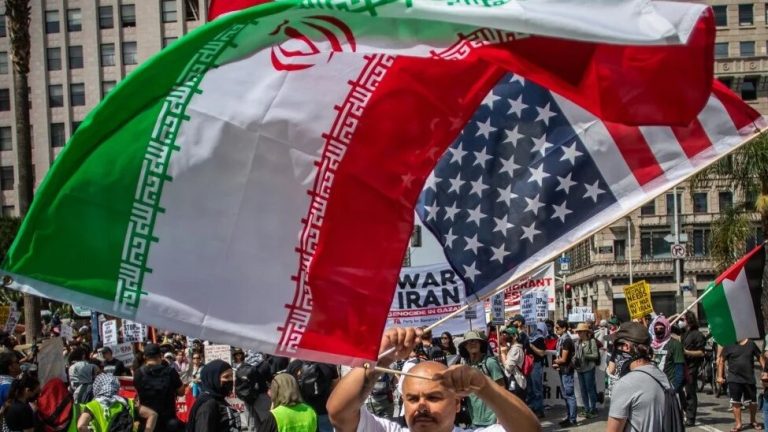
After The Strike: Why Trump’s Ceasefire Isn’t the Endgame 

President Trump’s strike on Iran’s nuclear facilities, followed by a surprise ceasefire, has jolted the global order—but it’s not the endgame. This is a high-stakes pause, not peace. The real test lies in converting military leverage into a lasting strategic framework. For Africa and the Global South, the episode signals a shift in U.S. power projection—swift, forceful, then restrained. If not followed by coherent diplomacy, it risks becoming just another spark in a volatile world.

Read MoreAfter The Strike: Why Trump’s Ceasefire Isn’t the Endgame 

Privatizing Sovereignty? The Strategic Risks of Governance Vacuums in Fragile States

As state power declines in fragile regions, governance is increasingly shifting to non-state actors—militant groups, corporations, and private investors. From Gaza to tech-run cities, sovereignty is no longer exclusive to nations. This brief examines the rise of private governance, its geopolitical drivers, and the risks it poses to legitimacy, stability, and diplomacy. The future of power may lie not in parliaments, but in boardrooms, algorithms, and fortified zones.

Read MorePrivatizing Sovereignty? The Strategic Risks of Governance Vacuums in Fragile States

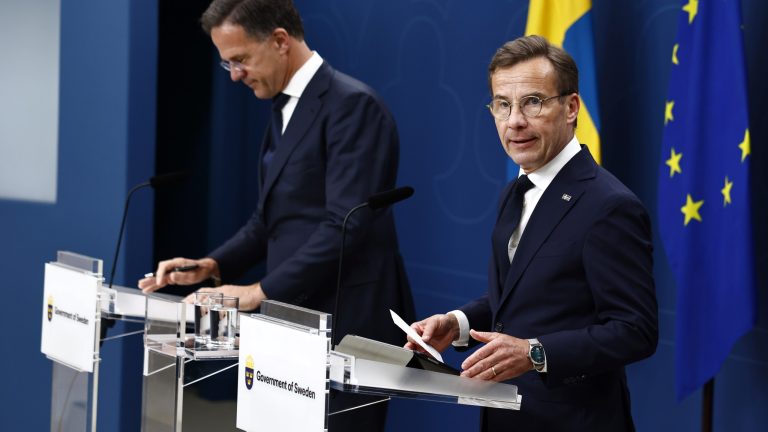
Sweden Commits 5% of GDP to Domestic and NATO Security

Sweden has unveiled one of the most ambitious defence investments in its modern history, committing to allocate 5% of its GDP to national and NATO security by 2030. The multi-party agreement includes $31 billion in new spending to modernise Sweden’s military and civil defence. As geopolitical tensions escalate, particularly around the Baltic, Stockholm’s move positions it as a frontline NATO contributor. However, balancing long-term ambition with economic and operational constraints will test Sweden’s resilience and readiness in the years ahead.

Read MoreSweden Commits 5% of GDP to Domestic and NATO Security