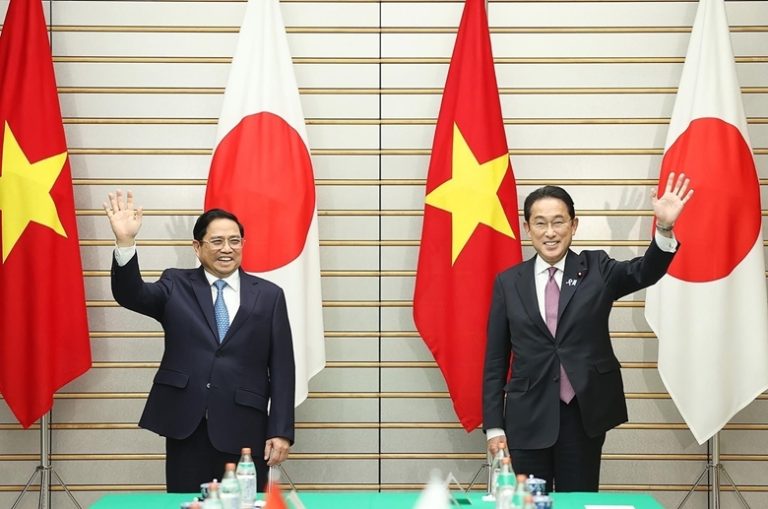
Strategic Alignment in a Fragmented World: Japan-Vietnam Economic Cooperation and the Shifting Balance of Power in Asia

In a world increasingly marked by fragmentation, protectionism, and economic uncertainty, Japan and Vietnam have emerged as proactive leaders seeking to reinforce stability and prosperity through a new bilateral trade pledge. In April 2025, both countries committed to boosting trade and investment flows, while upholding global rules and ensuring the free flow of goods

Read MoreStrategic Alignment in a Fragmented World: Japan-Vietnam Economic Cooperation and the Shifting Balance of Power in Asia

HSBC Raises Alarm Over Trade War Impact: What It Means for Emerging Markets and Global Stability

When a global financial institution like HSBC increases its bad debt provisions, it means the bank anticipates more customers—individuals, companies, or even governments—will default on their loans. The bank is effectively saying, "We expect tougher times ahead." This isn’t guesswork. It's a move based on internal data, macroeconomic trends, and predictive modeling.

Read MoreHSBC Raises Alarm Over Trade War Impact: What It Means for Emerging Markets and Global Stability

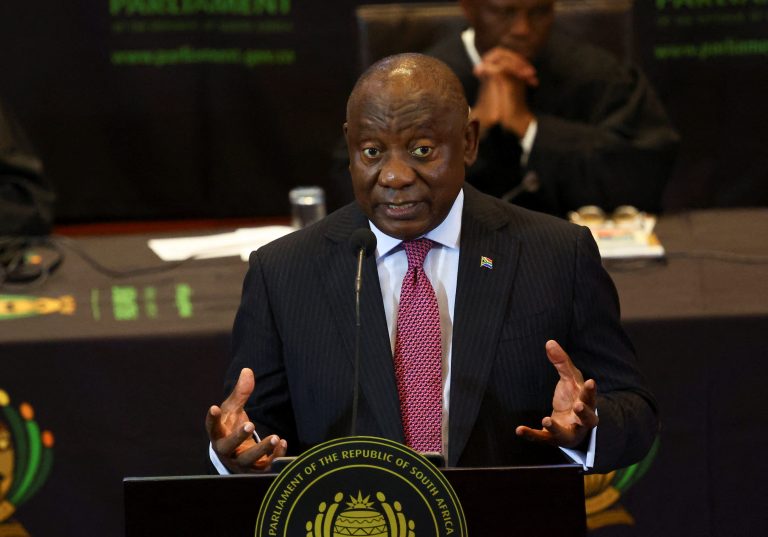
A Historic Turn: DR Congo and Rwanda Sign Landmark Declaration of Principles in Washington

In a historic diplomatic breakthrough not seen in over two decades, the Democratic Republic of the Congo (DRC) and the Republic of Rwanda signed a Declaration of Principles on US soil on 25 April 2025, marking a potential turning point in one of Africa’s most protracted and devastating regional conflicts. Hosted by US Secretary of State Marco Rubio in Washington, D.C., this high-level event has been heralded as the most significant move towards peace between the two nations since the 2002 Pretoria Accord.

Read MoreA Historic Turn: DR Congo and Rwanda Sign Landmark Declaration of Principles in Washington

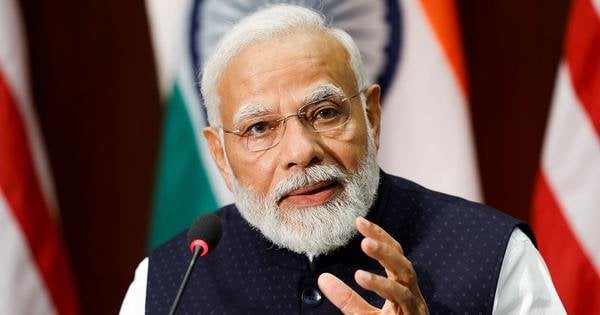
From Restraint to Retaliation: India’s Strategic Suspension of the Indus Waters Treaty

The treaty’s complex dispute-resolution mechanism precipitated several challenges for India’s hydropower projects, such as the Kishenganga and Ratle plants located on the Jhelum and Chenab rivers respectively. The Treaty’s annexure D permits India to only build run-of-river hydroelectric plants on the Indus water system’s Wester Rivers.

Read MoreFrom Restraint to Retaliation: India’s Strategic Suspension of the Indus Waters Treaty

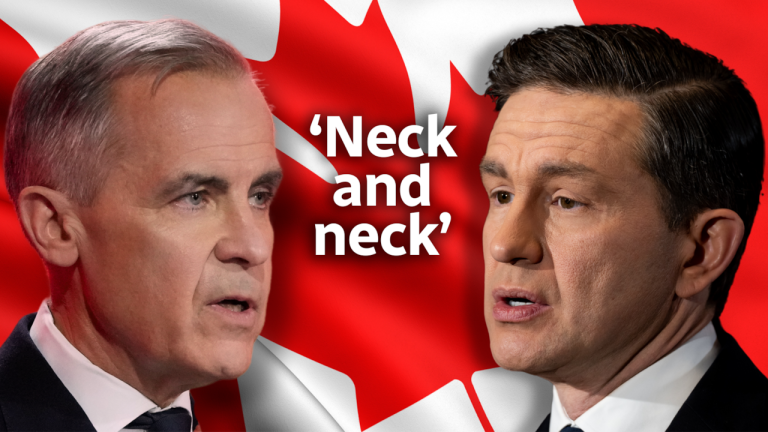
Canada’s Choice: An Analysis on the Candidates and their Policies 

While Carney’s economic acumen and climate change advocacy makes him a formidable candidate for the Prime Minister’s seat, some may argue that his lack of experience and policies make him unfit to be the country’s next leader. This lack of experience is highlighted when McGill University Political Science Professor, Daniel Beland, claimed that Carney was untested during the Liberal Party election

Read MoreCanada’s Choice: An Analysis on the Candidates and their Policies 

Tyranny of the Majority: Is the US Heading Down the Path of Dictatorship?

One can assert the Trump administration violated this amendment of the US constitution through the detention of US green card and student visa holders as presented in the cases of Mahmoud Khalil and Rumeysa Ozturk, two students who were detained. The reasons for their forced detention were tied to their involvement in pro-Palestine protests or criticisms of the US foreign policy relating to Israel’s campaign in Gaza (Pazmino, Rose, and Roy, 2025).

Read MoreTyranny of the Majority: Is the US Heading Down the Path of Dictatorship?