This section explores how President Trump’s policies are reshaping America’s global alliances and power dynamics.

Tariffs, Inflation, and the Looming Recoil: Is the U.S. Economy Headed Toward a Storm?

Donald Trump was swept into office by voters frustrated with the price inflation of everyday necessities; rising cost of milk, bread, and eggs had become symbols of deepening economic strain. His campaign promise to rein in inflation, protect American workers, and bring manufacturing back to U.S. soil struck a chord with the middle class.
Read MoreTariffs, Inflation, and the Looming Recoil: Is the U.S. Economy Headed Toward a Storm?

Peace Through Strength: Trump’s Trillion-Dollar Defense Blueprint

Defense expenditure of the U.S. has steadily increased with an aim to modernize, and increase the size and strength of the military forces to assert America’s military dominance in the world. As the U.S. continues to maintain the largest defense budget in the world, it has long believed that this military supremacy is advantageous to safeguard and spread American values globally.

Read MorePeace Through Strength: Trump’s Trillion-Dollar Defense Blueprint

Trump’s First 100 Days: What It Means for Europe’s Strategic Autonomy

As President Donald J. Trump crosses the 100-day threshold of his second term in office, a new era of transatlantic relations is taking shape. These first 100 days have not only reinforced his "America First" rhetoric, but also reignited critical debates within Europe about the future of its security, economic independence, and geopolitical alignment. For Europe, the message is increasingly clear: strategic autonomy is no longer an aspiration—it is a necessity.

Read MoreTrump’s First 100 Days: What It Means for Europe’s Strategic Autonomy

Tyranny of the Majority: Is the US Heading Down the Path of Dictatorship?

One can assert the Trump administration violated this amendment of the US constitution through the detention of US green card and student visa holders as presented in the cases of Mahmoud Khalil and Rumeysa Ozturk, two students who were detained. The reasons for their forced detention were tied to their involvement in pro-Palestine protests or criticisms of the US foreign policy relating to Israel’s campaign in Gaza (Pazmino, Rose, and Roy, 2025).

Read MoreTyranny of the Majority: Is the US Heading Down the Path of Dictatorship?

U.S.-India COMPACT Initiative: Strengthening Strategic Ties Amid Lingering Tensions

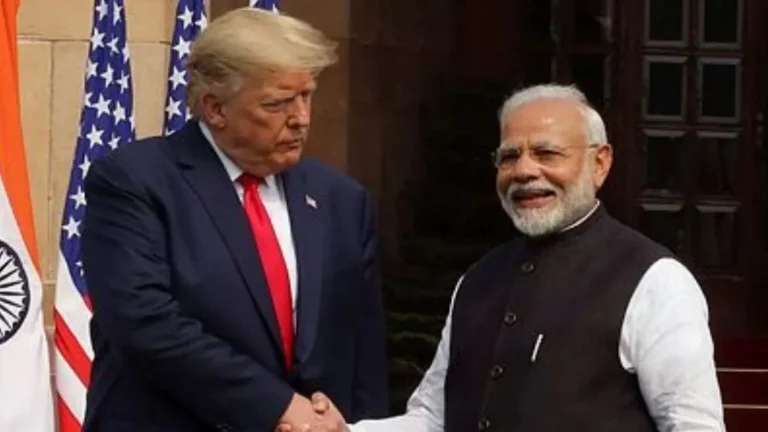
Not restricting to a buyer-seller relationship, the shared strategic interests between the two states have carved out a partnership which has increasingly focussed on greater military integration, sharing advanced technologies, innovation, and research and development. A string of key agreements over time has made this expansion and deepening of strategic relations possible.

Read MoreU.S.-India COMPACT Initiative: Strengthening Strategic Ties Amid Lingering Tensions

The U.S.-China Trade War in 2025: A New Chapter in Economic Confrontation

After Donald Trump returned to the presidency in January 2025, he reignited his administration’s protectionist trade policies under the banner of “America First.” Central to this approach is the aggressive use of tariffs, taxes imposed on imports to curb trade deficits, promote domestic manufacturing, and punish what Trump calls “unfair trade practices,” particularly by China.

Read MoreThe U.S.-China Trade War in 2025: A New Chapter in Economic Confrontation

The Costs of America’s New Trade Strategy

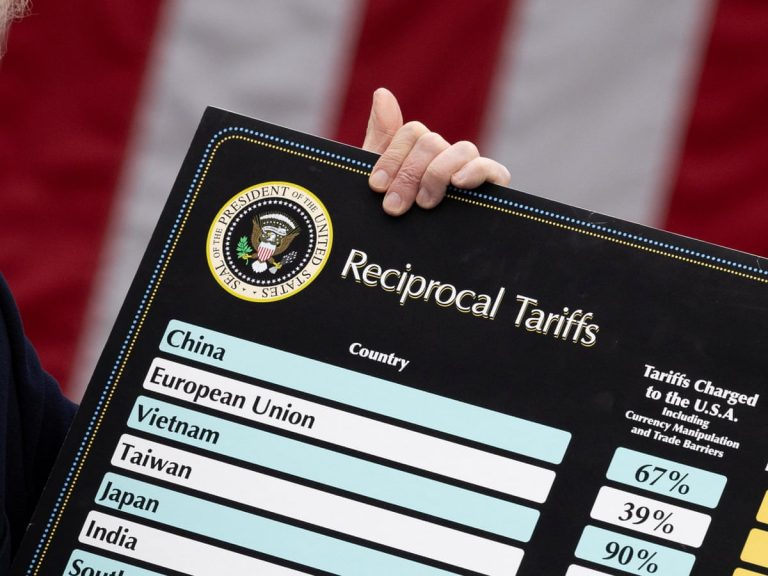
At the heart of this policy is a 10% baseline tariff on imports from 185 countries, amplified by exponential penalties on selected geopolitical and economic adversaries. Chinese goods now face a total of 104% in tariffs, a staggering figure that underscores the combative mood in Washington. The European Union, India, Canada, and Mexico have also been targeted with tariffs ranging from 15% to 26%, sparking widespread retaliation and diplomatic fallout.

Read MoreThe Costs of America’s New Trade Strategy