Tensions escalate as Venezuela mobilizes 4.5 million militiamen in response to US crackdown on drug trafficking.

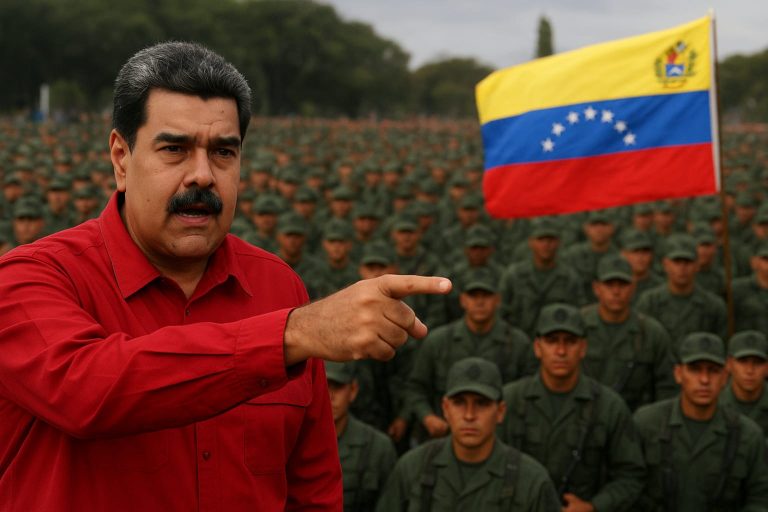
Venezuela has announced the mobilisation of 4.5 million militiamen throughout the country in response to increased US naval movements in the Latin America and Caribbean (LAC) region. The conflict is based on the national security threat of drug cartel activities, which have history of illegal drug trade into the US. Venezuelan president Maduro argues that US military imposition in the region undermines sovereignty and independence. The conflict threatens peace and stability in the region, with potential consequences for Venezuela’s economic crisis and humanitarian challenges. For the US, it could mean increased control over oil reserves and immigration.

Read MoreTensions escalate as Venezuela mobilizes 4.5 million militiamen in response to US crackdown on drug trafficking.

The Trump–Putin Summit and its implications for Sustainable Development

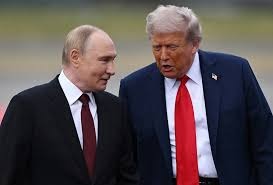
The Trump–Putin summit in Anchorage underscored shifting geopolitical dynamics with far-reaching consequences for sustainable development. While dominated by the Russia–Ukraine war, its implications extend to energy security, climate goals, food supply chains, and global cooperation. Agreements hinting at fossil fuel dependency, U.S. security guarantees to Ukraine, and weakened multilateralism risk slowing progress on the SDGs. With disruptions to trade, aid, and decarbonization, the summit highlights the need for vigilant international advocacy for sustainability, inclusivity, and cooperative governance.

Read MoreThe Trump–Putin Summit and its implications for Sustainable Development

2030 Climate Targets: What an EU Aviation Tax would mean for Europe

Europe is weighing a decisive move on climate: taxing aviation fuel to align the sector with its 2030 and 2050 net-zero targets. Long exempt from energy taxation, airlines face higher costs, reduced demand, and fare hikes under the proposed Energy Taxation Directive reform. Yet revenues—estimated at €9.5 billion annually—could be reinvested in green aviation technologies. Beyond economics, the measure would cut emissions, reinforce the EU’s climate leadership, and set a precedent in global industrial and environmental policy.

Read More2030 Climate Targets: What an EU Aviation Tax would mean for Europe

Peru–Indonesia Trade Diplomacy: CEPA Momentum Amid U.S. Tariff Pressures

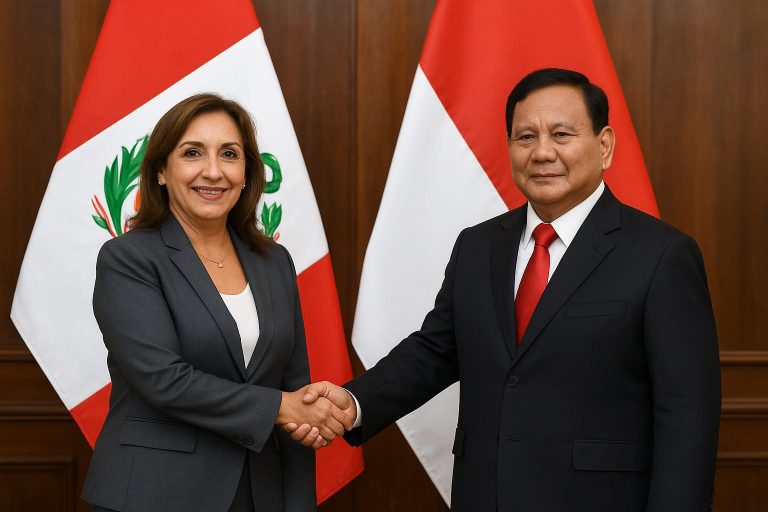
Peruvian President Dina Boluarte and Indonesian President Prabowo Subianto met in Lima to advance economic cooperation amid new U.S. tariffs—19% on Peru and 10% on Indonesia. Central to their talks was the Comprehensive Economic Partnership Agreement (CEPA), expected to be signed soon after being agreed in principle in May. The pact positions Peru as Indonesia’s bridge to Latin America and Indonesia as Peru’s entry into Southeast Asia, reinforcing cooperation in trade, food security, energy, and sustainable development.

Read MorePeru–Indonesia Trade Diplomacy: CEPA Momentum Amid U.S. Tariff Pressures

Rodrigo Paz Wins Bolivia’s First Round as MAS Loses Power After 20 Years

Centrist senator Rodrigo Paz’s first-round lead in Bolivia’s presidential race marks a historic rupture, ending two decades of Socialist Party dominance. His unexpected surge reflects widespread discontent with economic stagnation, corruption, and polarization under MAS governments. Paz, positioning as a pragmatic reformer, now faces intense runoff pressures from a weakened but mobilized socialist base. The result signals a potential reordering of Bolivian politics, with implications for regional alliances, resource nationalism, and democratic resilience in South America’s shifting landscape.

Read MoreRodrigo Paz Wins Bolivia’s First Round as MAS Loses Power After 20 Years

Tariffs Up, Treasury Down: Why Washington’s Red Ink Matter

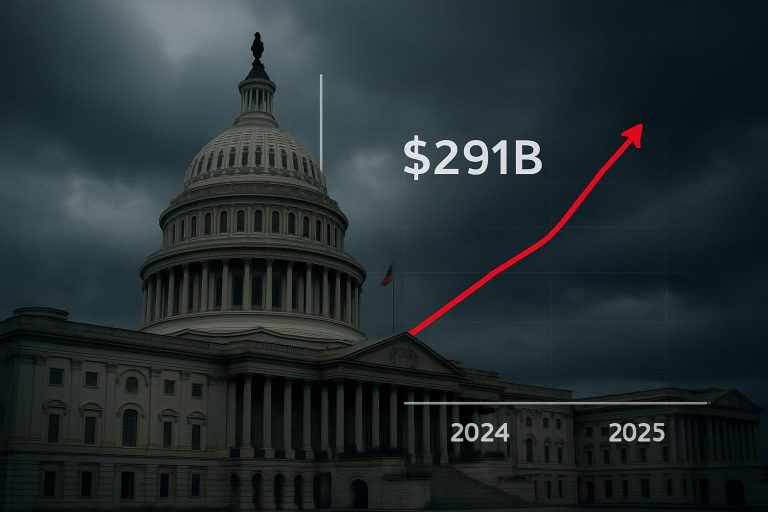
The U.S. federal deficit widened to $291 billion in July, a 19% year-on-year rise, despite tariff revenues tripling under Trump’s trade regime. Customs duties reached $21 billion, but were eclipsed by surging healthcare, Social Security, and debt service costs. With the year-to-date shortfall at $1.63 trillion, Washington faces a structural imbalance that tariff windfalls cannot offset. Fiscal sustainability now collides with strategic ambition, reshaping America’s capacity to fund defense, sustain alliances, and project power abroad.

Read MoreTariffs Up, Treasury Down: Why Washington’s Red Ink Matter

Argentina’s Fiscal Gambit: Milei’s Vetoes, Market Signalling, and the Politics of Austerity

In Buenos Aires, President Javier Milei’s veto of congressional bills to expand pensions, disability support, and moratorium extensions underscores his uncompromising libertarian agenda. By blocking spending increases while pushing symbolic measures such as banning Central Bank transfers to the Treasury and criminalising deficit budgets, Milei signals a doctrine of austerity over welfare. He frames social expansion as a threat to fiscal surplus and the peso’s stability, positioning Argentina on a collision course between economic orthodoxy and mounting public discontent.

Read MoreArgentina’s Fiscal Gambit: Milei’s Vetoes, Market Signalling, and the Politics of Austerity

India’s GST Reforms: Balancing Simplification, Growth, and Self-Reliance

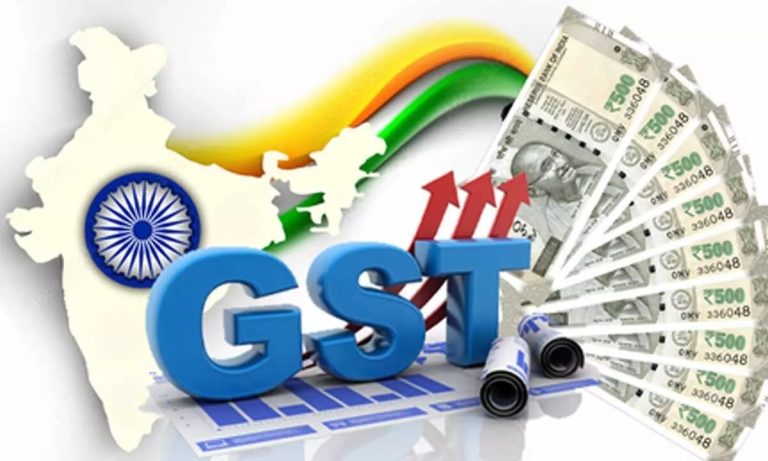
India is set to overhaul its Goods and Services Tax (GST) system, simplifying its multi-tiered structure into two main rates—5% for essentials and 18% for most goods, with a 40% rate on demerit products. The reforms focus on structural fixes, rate rationalization, and ease of compliance to boost consumption, support MSMEs, and attract global investment. Success will depend on managing Centre–state fiscal tensions and ensuring transparency. If implemented effectively, GST reforms could strengthen India’s self-reliance and secure stable, growth-driven development.

Read MoreIndia’s GST Reforms: Balancing Simplification, Growth, and Self-Reliance

Alaska Summit, No Ceasefire: What the Trump–Putin Optics Mean for Kyiv and Europe

The Trump–Putin summit in Alaska produced headlines but no ceasefire. Moscow floated a deal trading territorial concessions for a freeze, but Kyiv and Europe firmly rejected redrawing borders by force. For Russia, the optics eased isolation; for Ukraine, exclusion risked weakening support. Civilian casualties hit a three-year high, underscoring the costs of delay. With Trump set to meet Zelensky in Washington, the next test is whether U.S. mediation can deliver a sovereignty-first framework that Europe and Kyiv accept.

Read MoreAlaska Summit, No Ceasefire: What the Trump–Putin Optics Mean for Kyiv and Europe

The Alaska Summit: Why Trump and Putin’s Meeting Marks a Diplomatic Success

The Alaska Summit between Trump and Putin marked a subtle but meaningful diplomatic success. While no ceasefire or land swap was announced, the meeting established common ground, opened channels for future talks, and secured a commitment to reconvene. Trump’s pledge to consult Zelenskyy, NATO, and European allies underscores a process-driven approach rather than unilateralism. History shows that first meetings often set the stage for breakthroughs. By creating momentum and continuity, Anchorage became a quiet step toward potential peace.

Read MoreThe Alaska Summit: Why Trump and Putin’s Meeting Marks a Diplomatic Success