Global Threat Report Evaluates National Security Challenges Facing Trump Administration

The U.S. Defence Intelligence Agency has released its annual threat assessment report in May 2025 offering a comprehensive appraisal of evolving global security challenges facing the United States. The report underscores the growing complexity of modern threats, shaped by rapid technological advancements and geopolitical rivalries.
Read MoreGlobal Threat Report Evaluates National Security Challenges Facing Trump Administration

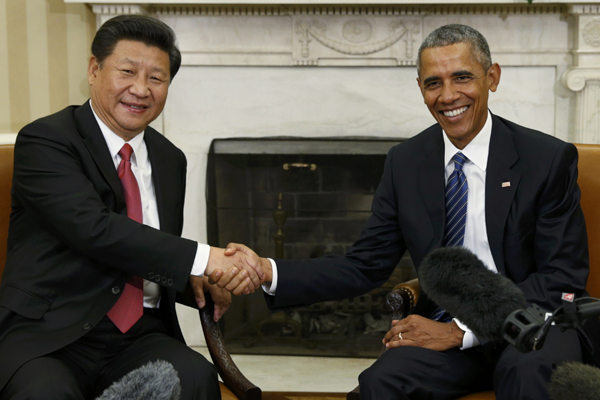
How America Powered the Rise of China—Willingly

America's engagement with China was built on the belief that economic integration would lead to political liberalization. Instead, the U.S. facilitated China's rise by granting trade privileges, offshoring industries, and sharing technology. This strategy, driven by profit motives and strategic naivety, empowered a rival that now challenges U.S. dominance. Recognizing this, America faces the task of realigning its policies to safeguard national interests and technological sovereignty.

Read MoreHow America Powered the Rise of China—Willingly

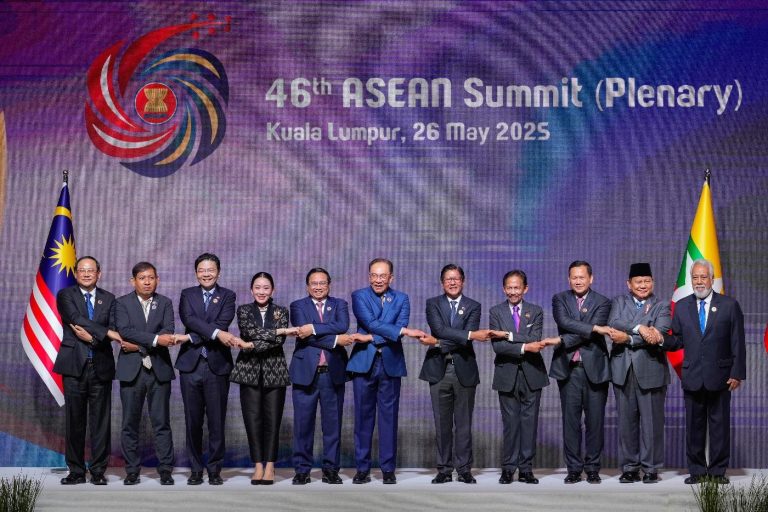
ASEAN Summit in Malaysia: Defying Trump’s Tariffs. Will the Region Break Free or Bow Down?

At the ASEAN Summit in Kuala Lumpur, leaders faced tough choices as Trump’s tariff threats loomed and China expanded its influence. With pressure mounting from both sides, ASEAN pushed for unity and new partnerships, including with the Gulf states. But internal divisions and the unresolved crisis in Myanmar cast a shadow. The summit was a clear reminder: if ASEAN wants to shape its own future, it needs to stand together, now more than ever.

Read MoreASEAN Summit in Malaysia: Defying Trump’s Tariffs. Will the Region Break Free or Bow Down?

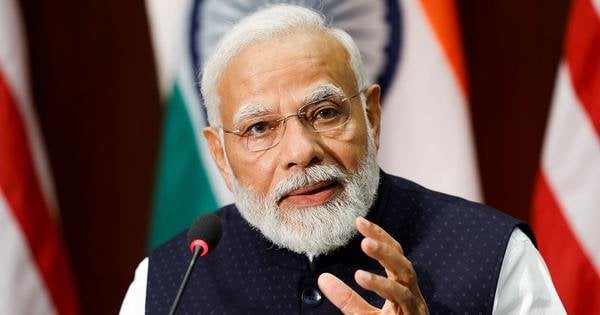
From Restraint to Retaliation: India’s Strategic Suspension of the Indus Waters Treaty

The treaty’s complex dispute-resolution mechanism precipitated several challenges for India’s hydropower projects, such as the Kishenganga and Ratle plants located on the Jhelum and Chenab rivers respectively. The Treaty’s annexure D permits India to only build run-of-river hydroelectric plants on the Indus water system’s Wester Rivers.

Read MoreFrom Restraint to Retaliation: India’s Strategic Suspension of the Indus Waters Treaty