Who Checks Trump? Who Checked the U.S.?

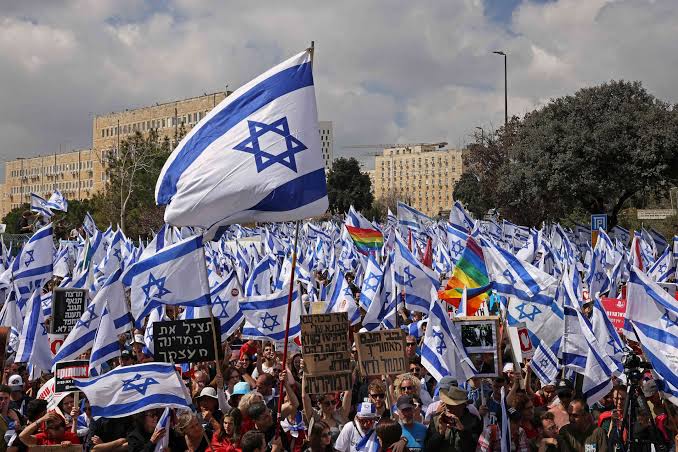
The U.S. capture of Nicolás Maduro marks a dangerous rupture in global governance. By openly declaring its intent to “run” Venezuela, the United States has crossed from influence into occupation, undermining the very rules-based order it once championed. For Africa and states like Ghana, the message is stark: sovereignty is now conditional, and unchecked power—not law—risks becoming the new global norm.

Read MoreWho Checks Trump? Who Checked the U.S.?

India as the Anchor of a Post-Brexit Global Strategy

India’s emergence as the anchor of Britain’s post-Brexit global strategy marks a decisive turn in London’s Indo-Pacific engagement. Through the Comprehensive Economic and Trade Agreement (CETA) and the “India-UK Vision 2035,” both nations are translating diplomatic symbolism into structured, institutionalised cooperation. Anchored in trade, defence co-development, and technology, this partnership reflects a pragmatic recalibration of middle-power agency. It positions India and the UK as pivotal actors in shaping a rules-based, multipolar Indo-Pacific order grounded in connectivity, innovation, and strategic balance.

Read MoreIndia as the Anchor of a Post-Brexit Global Strategy

Navigating the Reconfiguration of the Global Order

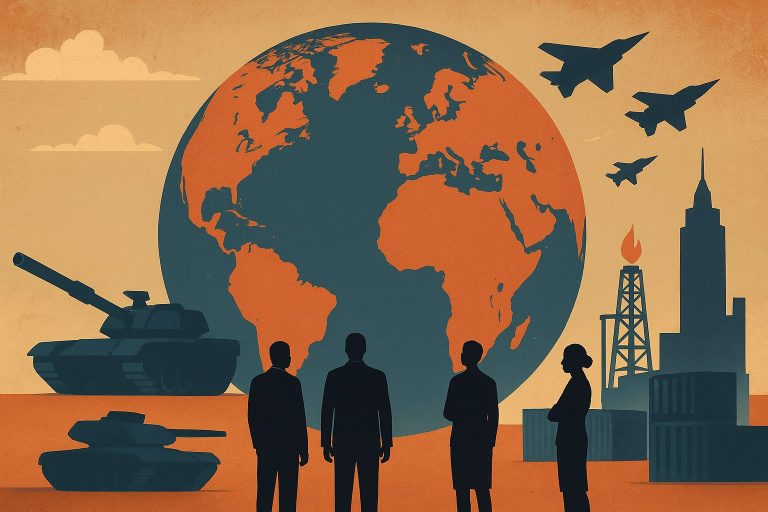
The global order is undergoing its deepest reconfiguration since the Cold War. Power is diffusing beyond the U.S.–China axis to assertive regional powers, non-state actors, and transnational corporations. Conflicts, supply-chain shocks, and climate pressures are exposing the fragility of old institutions. De-risking strategies, digital competition, and the energy transition are redrawing economic and security maps in real time. Resilience, adaptability, and pragmatic cooperation—not outdated assumptions—will determine which nations and institutions thrive in this fluid, contested system.

Read MoreNavigating the Reconfiguration of the Global Order

Is Europe About to Be Colonized?

Europe stands at an uncomfortable crossroads, squeezed between Washington and Beijing. As the U.S. reasserts its security dominance and China deepens its economic reach, the continent risks drifting into a 21st-century form of colonial dependency—ceding sovereignty over defense, technology, and supply chains. Without a coherent, purpose-driven vision of its own, the EU could end up reacting rather than leading, becoming a strategic pawn instead of a power in its own right.

Read MoreIs Europe About to Be Colonized?

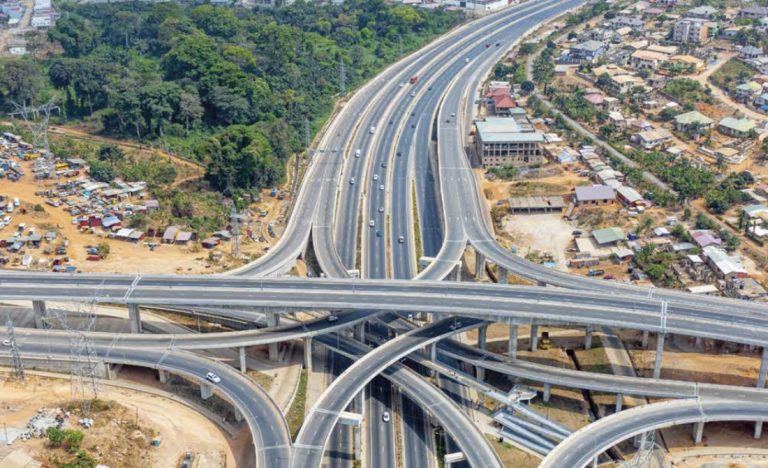
How Africa’s Infrastructure Gaps Are Holding Back Regional Value Chains

Despite the promise of AfCFTA, Africa’s regional trade remains stunted by a critical and underexamined barrier: infrastructure. This dispatch argues that fragmented, underfinanced, and nationally siloed infrastructure systems are preventing the emergence of regional value chains. From broken transport links to disconnected power grids and outdated customs systems, the lack of coordinated, production-enabling infrastructure is the single most decisive bottleneck to industrial integration. Without a radical shift in governance, finance, and planning, Africa risks missing its moment in the global value chain race.

Read MoreHow Africa’s Infrastructure Gaps Are Holding Back Regional Value Chains

Europe’s Trade Reboot: From Liberal Idealism to Strategic Geo-Economics 

Europe’s trade model is undergoing a seismic shift—from liberal idealism to strategic geo-economics. As global power rivalries reshape economic flows, the EU must reforge trade policy as an instrument of statecraft, aligning it with security, resilience, and influence. The age of values-driven trade is ending; purpose-driven trade must begin.

Read MoreEurope’s Trade Reboot: From Liberal Idealism to Strategic Geo-Economics 

The Last Days of the Nation-State: How Corporations Are Building the Next Global Order 

As governments falter under the weight of debt, disruption, and declining legitimacy, corporations are quietly stepping in—not just to influence the global order, but to construct a new one altogether. From private satellite constellations to platform-enforced speech, a corporate architecture of power is emerging with little democratic oversight. This dispatch traces the end of traditional sovereignty and the rise of algorithmic governance—and asks whether the public still governs the public sphere.

Read MoreThe Last Days of the Nation-State: How Corporations Are Building the Next Global Order 

From Presence to Power: Can Africa Redraw the Map of Global Governance?

Africa is no longer absent from global governance—it’s increasingly present, from BRICS to the G20. But visibility without influence is a hollow victory. Despite symbolic gains, real power remains elusive, scattered by internal disunity and institutional limits. To shape the world order, Africa must build leverage, not just presence—through coherence, strategic diplomacy, and reform from within. The seat at the table is not the prize; what Africa does with it is.

Read MoreFrom Presence to Power: Can Africa Redraw the Map of Global Governance?

DRC Unique Circumstances Doesn’t Need Another Nationalist Like Patrice Lumumba but a Strategist Like Mobutu (Without Dictatorship)

This article asserts that the DRC’s unique circumstances do not need another fiery nationalist leader; it requires a strategist—someone capable of forging pragmatic coalitions internally and externally, advancing military capabilities to secure its vast territories, and ensuring sustainable development in key sectors. Drawing on historical episodes, reputable sources, and factual evidence, we examine why strategic leadership can better serve the DRC’s interests than pure nationalism.

Read MoreDRC Unique Circumstances Doesn’t Need Another Nationalist Like Patrice Lumumba but a Strategist Like Mobutu (Without Dictatorship)