The Missing Middle: The Structural Financing Gap That Keeps SMEs Small

Small and medium-sized enterprises (SMEs) drive over 90% of African businesses and are vital to employment, innovation, and industrialisation. Yet many remain trapped in the “missing middle”—too large for microfinance but too small or informal for bank loans or venture capital. This structural financing gap limits their ability to expand, modernise, or join regional value chains. Without growth capital, SMEs operate below potential, reinforcing inequality and slowing Africa’s broader economic transformation and competitiveness.
Read MoreThe Missing Middle: The Structural Financing Gap That Keeps SMEs Small

Aspiration or Implementation: Friction and the AfCFTA’s Great Experiment

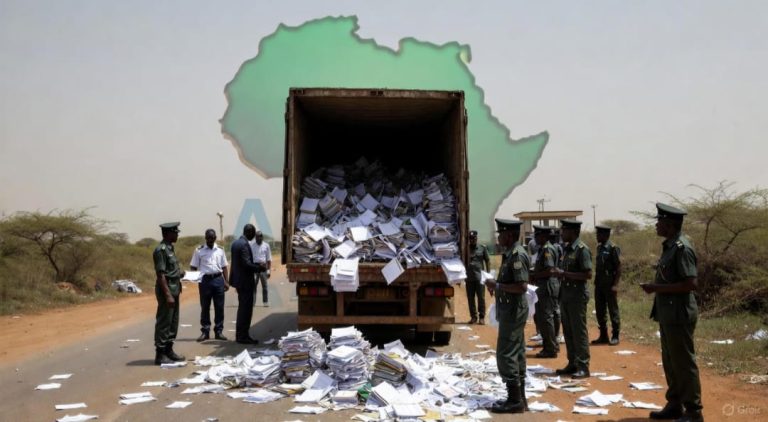
A shipment from Accra to Lagos should take a day but often takes four—stalled by paperwork, checkpoints, and unofficial fees. This reflects the persistent barriers undermining the African Continental Free Trade Area (AfCFTA). Launched in 2021 to create a seamless African market, AfCFTA promised lower tariffs, unified trade rules, and continental growth. Yet, nearly four years later, non-tariff barriers, weak infrastructure, and fragmented regulations continue to slow progress. Vision remains high, but real implementation lags behind ambition.

Read MoreAspiration or Implementation: Friction and the AfCFTA’s Great Experiment

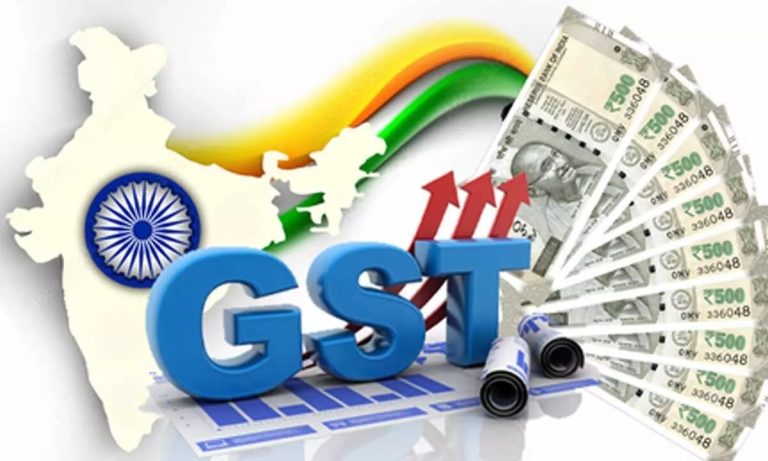
India’s GST Reforms: Balancing Simplification, Growth, and Self-Reliance

India is set to overhaul its Goods and Services Tax (GST) system, simplifying its multi-tiered structure into two main rates—5% for essentials and 18% for most goods, with a 40% rate on demerit products. The reforms focus on structural fixes, rate rationalization, and ease of compliance to boost consumption, support MSMEs, and attract global investment. Success will depend on managing Centre–state fiscal tensions and ensuring transparency. If implemented effectively, GST reforms could strengthen India’s self-reliance and secure stable, growth-driven development.

Read MoreIndia’s GST Reforms: Balancing Simplification, Growth, and Self-Reliance

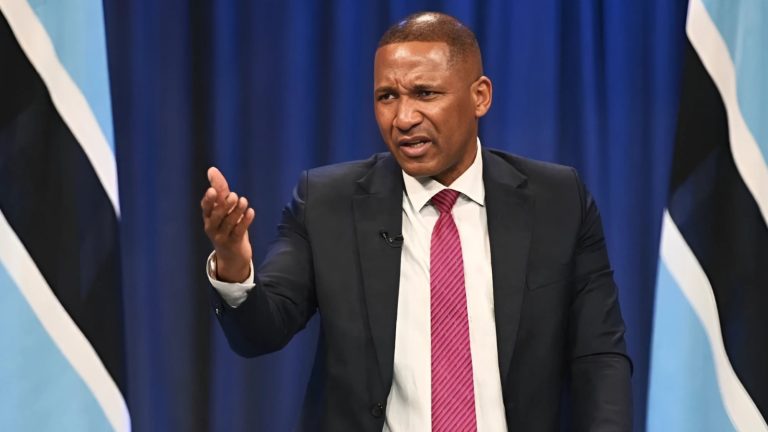
Botswana’s President Unleashes Fury: Ministers Exposed for Fatal Incompetence

President Duma Boko delivered a fiery address condemning systemic failures in Botswana’s governance, education, energy, and procurement sectors. Highlighting the paradox of vast mineral wealth amid economic underperformance, he called for radical reform, including digitalisation, public accountability, and state-led development. Rejecting neoliberal policies, Boko urged foundational change through a sovereign wealth fund, education overhaul, and energy restructuring. His speech was a bold call to action for ethical, transformative leadership.

Read MoreBotswana’s President Unleashes Fury: Ministers Exposed for Fatal Incompetence

Panic in Washington: US Lawmakers Admit They’ve Lost Strategic Control in Africa

Africa is no longer passively awaiting Western aid, it is actively reshaping global power structures. As U.S. influence recedes due to policy neglect and strategic confusion, countries like China, Russia, and Türkiye have filled the void with investments and diplomatic engagement. African leaders are rejecting paternalism, insisting on equal partnerships and sovereign respect. The United States, once a dominant presence, now watches from the sidelines, adrift while the continent forges a multipolar future on its own terms.

Read MorePanic in Washington: US Lawmakers Admit They’ve Lost Strategic Control in Africa

The Republic of Kenya: The 2025 Budget Policy Statement

Kenya’s 2025 Budget Policy Statement outlines a bold vision for economic recovery, equity, and transformation under the Bottom-Up Economic Transformation Agenda. With record allocations to education, health, and agriculture, it aims to tackle poverty, youth unemployment, and debt pressure. Yet gaps remain between policy promises and lived realities. Can fiscal discipline and inclusive development truly coexist in a landscape marked by inequality, climate shocks, and mounting debt obligations?

Read MoreThe Republic of Kenya: The 2025 Budget Policy Statement

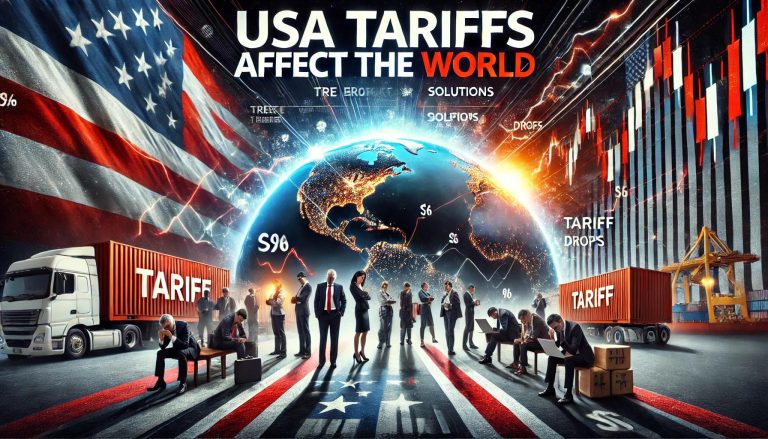
Donald Trump’s Tariff Impacts on Private Markets: A Deep-Dive Analysis of Economic Sovereignty, Global Trade, and American Industry Decline

Tariffs, once considered a relic of protectionist pasts, returned with brute force under President Donald J. Trump. With the rise of “America First,” a slogan that evolved into a full-fledged economic doctrine, Trump redrew the lines of international trade. His…

Read MoreDonald Trump’s Tariff Impacts on Private Markets: A Deep-Dive Analysis of Economic Sovereignty, Global Trade, and American Industry Decline

The Great Experiment: How to Make Trump’s Tariffs Work for America

Trump’s tariffs target countries like China and industries where America has been losing competitive ground. The goal is to make it more expensive for U.S. companies to rely on cheap foreign imports, thereby pushing them to manufacture goods domestically. This aligns with his broader “America First” agenda, which aims to bring back jobs, reduce trade deficits, and protect critical industries like steel, semiconductors, and pharmaceuticals

Read MoreThe Great Experiment: How to Make Trump’s Tariffs Work for America