UN-Habitat Strategic Plan 2026–2029 Evaluation: Solutions to the Global Housing Crisis

Each day, millions of families wake up to the harsh realities of inadequate shelter. For 2.8 billion people, housing does not provide the protection, stability or dignity that every human being deserves. Across sprawling urban slums, displacement camps and makeshift settlements, children grow up without toilets, running water or a sense of safety. The global housing crisis is not a distant concern. It is a pressing human rights failure, visible in every region and city on Earth. It is not merely a matter of shelter; it is about survival, equality and the right to live with dignity.

Read MoreUN-Habitat Strategic Plan 2026–2029 Evaluation: Solutions to the Global Housing Crisis

Municipal Meltdown: Tsakani Maluleke Warns of South Africa’s Local Governance Failure

South Africa’s municipal governance is in systemic collapse. Auditor-General Tsakani Maluleke’s 2022–2023 report reveals widespread corruption, service delivery failures, and ethical decay across municipalities. Only 13% achieved clean audits. Dysfunctional leadership, misused infrastructure grants, and unchecked patronage threaten public welfare. With Eskom debt surging and communities suffering, Maluleke’s call is clear: without ethical, professional leadership and enforcement, the country risks a constitutional crisis in service delivery.

Read MoreMunicipal Meltdown: Tsakani Maluleke Warns of South Africa’s Local Governance Failure

How America Powered the Rise of China—Willingly

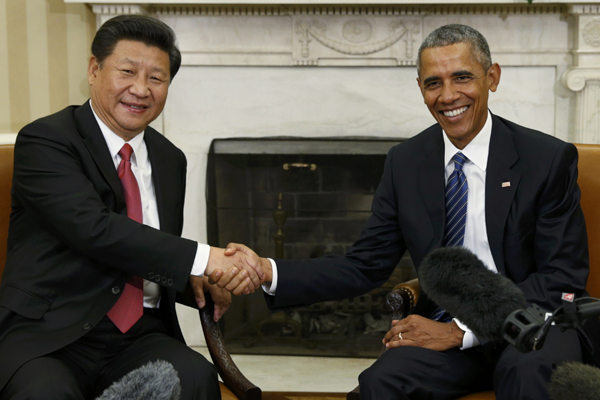
America's engagement with China was built on the belief that economic integration would lead to political liberalization. Instead, the U.S. facilitated China's rise by granting trade privileges, offshoring industries, and sharing technology. This strategy, driven by profit motives and strategic naivety, empowered a rival that now challenges U.S. dominance. Recognizing this, America faces the task of realigning its policies to safeguard national interests and technological sovereignty.

Read MoreHow America Powered the Rise of China—Willingly

The Second Punch: Why Trump’s Student Visa Freeze Marks a Strategic Shift in U.S.–China Relations

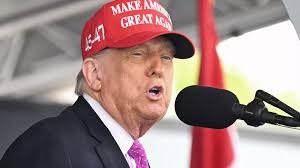
President Trump’s freeze on student visa processing marks a strategic shift in U.S.–China relations. Framed as a response to campus antisemitism, the move is part of a broader effort to decouple from China. By targeting academic exchanges, the administration aims to protect America’s innovation ecosystem from foreign exploitation. This policy, following earlier tariffs, represents the second major strike in a systematic recalibration of U.S. geopolitical and economic priorities.

Read MoreThe Second Punch: Why Trump’s Student Visa Freeze Marks a Strategic Shift in U.S.–China Relations

Economic Deals and Syria Sanctions Lift- The Implications of Trump’s Middle East Tour

During a four-day tour of Saudi Arabia, Qatar, and the UAE, U.S. President Donald Trump secured historic economic and defense deals, including a $600 billion investment pact with Saudi Arabia and a $1.4 trillion AI agreement with the UAE. In a surprise move, Trump also announced the lifting of U.S. sanctions on Syria, signaling a potential diplomatic reset and opening the door to regional economic investment and reconstruction.

Read MoreEconomic Deals and Syria Sanctions Lift- The Implications of Trump’s Middle East Tour

Starving Gaza: Aid Chaos Erupts as Crisis Deepens Under Israeli Blockade

Gaza is on the brink of famine, with over a million people facing starvation under an 11-week Israeli blockade. Aid efforts have collapsed, and new initiatives like the U.S.-backed Gaza Humanitarian Foundation face criticism for being politicised and ineffective. As desperation grows, international agencies warn of total healthcare system failure. Without urgent UN-led intervention and the reopening of border crossings, Gaza’s humanitarian crisis will spiral into a full-blown catastrophe.

Read MoreStarving Gaza: Aid Chaos Erupts as Crisis Deepens Under Israeli Blockade

ASEAN Summit in Malaysia: Defying Trump’s Tariffs. Will the Region Break Free or Bow Down?

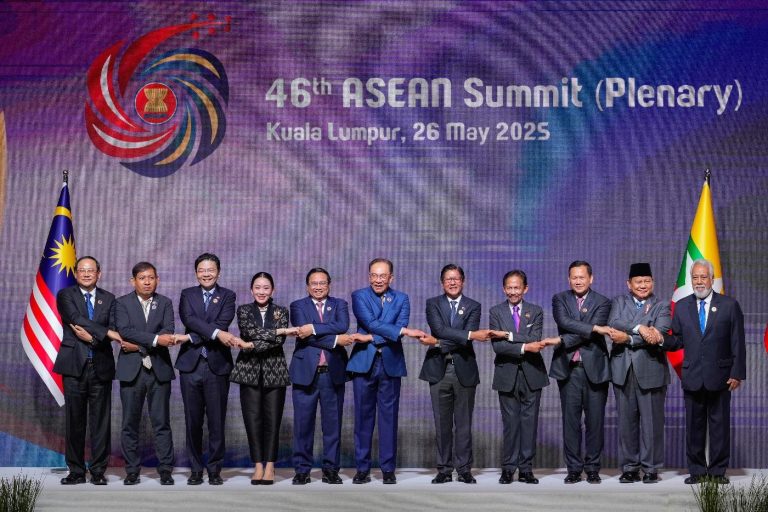
At the ASEAN Summit in Kuala Lumpur, leaders faced tough choices as Trump’s tariff threats loomed and China expanded its influence. With pressure mounting from both sides, ASEAN pushed for unity and new partnerships, including with the Gulf states. But internal divisions and the unresolved crisis in Myanmar cast a shadow. The summit was a clear reminder: if ASEAN wants to shape its own future, it needs to stand together, now more than ever.

Read MoreASEAN Summit in Malaysia: Defying Trump’s Tariffs. Will the Region Break Free or Bow Down?

The Republic of Kenya: The 2025 Budget Policy Statement

Kenya’s 2025 Budget Policy Statement outlines a bold vision for economic recovery, equity, and transformation under the Bottom-Up Economic Transformation Agenda. With record allocations to education, health, and agriculture, it aims to tackle poverty, youth unemployment, and debt pressure. Yet gaps remain between policy promises and lived realities. Can fiscal discipline and inclusive development truly coexist in a landscape marked by inequality, climate shocks, and mounting debt obligations?

Read MoreThe Republic of Kenya: The 2025 Budget Policy Statement

US-Syria Relations – How the Lifting of Sanctions can Lead to Opportunities for Rapprochement

The recent U.S. decision to lift sanctions on Syria has sparked cautious hope for a new chapter in U.S.-Syria relations. With a new Syrian president in place, there's a chance to rebuild diplomatic and economic ties. While the move offers opportunities for recovery and cooperation, it comes with tough conditions. Could this be the start of lasting peace and partnership, or just a temporary shift in a complex region?

Read MoreUS-Syria Relations – How the Lifting of Sanctions can Lead to Opportunities for Rapprochement

Trade Rivalry in the Americas: China Courts Latin America and the Caribbean

At a time when the U.S. and China are cautiously working towards stabilising trade relations following their recent tariff war, Beijing is revitalising economic relations with Latin American and Caribbean states through the China-CELAC (Community of Latin American and Caribbean States) cooperation forum by offering them billions of dollars in funding.

Read MoreTrade Rivalry in the Americas: China Courts Latin America and the Caribbean