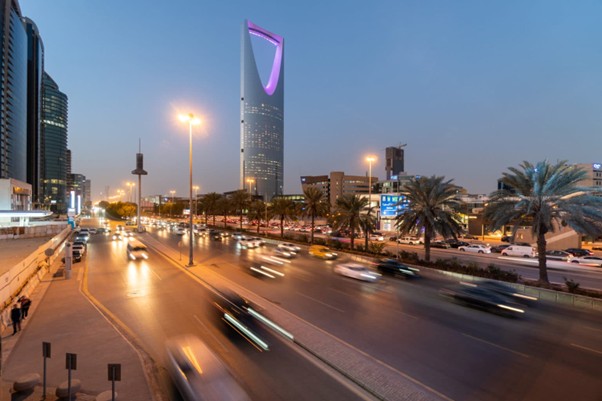
“The Line” Review

Saudi Arabia’s \$500 billion mega project, “The Line,” part of the NEOM initiative under Vision 2030, faces financial and ethical scrutiny amid falling oil revenues. Planned as a 100% renewable, linear city for 9 million residents, its projected 2030 population has been cut to 300,000. Critics cite massive costs, budget deficits, and alleged forced displacements of the Al-Huwaitat tribe. The project’s future remains uncertain, with global economic implications, including potential effects on Africa where Saudi investments may reach \$41 billion in the next decade.

Read More“The Line” Review

To Intervene or not to Intervene – Consequences of a US Entry into the Iran-Israel Conflict

A U.S. intervention in the escalating Iran-Israel conflict risks igniting a broader regional war, straining ties with Gulf allies, and triggering domestic political backlash. As military assets mobilize and tensions rise, Washington stands at a crossroads: defend its strategic partner or uphold a doctrine of restraint. With public opinion divided and regional stability on the line, the costs of action may far outweigh the benefits. Diplomacy may be the only viable path forward.

Read MoreTo Intervene or not to Intervene – Consequences of a US Entry into the Iran-Israel Conflict

A New Iran Nuclear Deal – Can an Agreement be Reached or Will a Conflict be Born?

As US-Iran nuclear negotiations stall, rising tensions risk igniting conflict. While interim deals and Omani-mediated proposals offer hope, like a regional consortium enriching uranium under IAEA oversight, key issues remain unresolved. President Trump’s threats of airstrikes and Israel’s potential unilateral action underscore the stakes. A peaceful resolution via the Omani framework may avert regional destabilization and ensure Iran’s nuclear program remains civilian-focused under multilateral scrutiny.

Read MoreA New Iran Nuclear Deal – Can an Agreement be Reached or Will a Conflict be Born?

Economic Deals and Syria Sanctions Lift- The Implications of Trump’s Middle East Tour

During a four-day tour of Saudi Arabia, Qatar, and the UAE, U.S. President Donald Trump secured historic economic and defense deals, including a $600 billion investment pact with Saudi Arabia and a $1.4 trillion AI agreement with the UAE. In a surprise move, Trump also announced the lifting of U.S. sanctions on Syria, signaling a potential diplomatic reset and opening the door to regional economic investment and reconstruction.

Read MoreEconomic Deals and Syria Sanctions Lift- The Implications of Trump’s Middle East Tour

Starving Gaza: Aid Chaos Erupts as Crisis Deepens Under Israeli Blockade

Gaza is on the brink of famine, with over a million people facing starvation under an 11-week Israeli blockade. Aid efforts have collapsed, and new initiatives like the U.S.-backed Gaza Humanitarian Foundation face criticism for being politicised and ineffective. As desperation grows, international agencies warn of total healthcare system failure. Without urgent UN-led intervention and the reopening of border crossings, Gaza’s humanitarian crisis will spiral into a full-blown catastrophe.

Read MoreStarving Gaza: Aid Chaos Erupts as Crisis Deepens Under Israeli Blockade

US-Syria Relations – How the Lifting of Sanctions can Lead to Opportunities for Rapprochement

The recent U.S. decision to lift sanctions on Syria has sparked cautious hope for a new chapter in U.S.-Syria relations. With a new Syrian president in place, there's a chance to rebuild diplomatic and economic ties. While the move offers opportunities for recovery and cooperation, it comes with tough conditions. Could this be the start of lasting peace and partnership, or just a temporary shift in a complex region?

Read MoreUS-Syria Relations – How the Lifting of Sanctions can Lead to Opportunities for Rapprochement