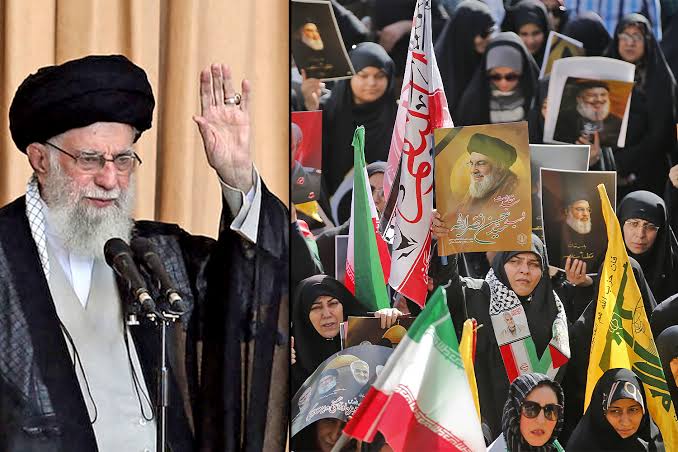
The Iran Strike: Regional Conflagration and Global Strategic Implications

The U.S.–Israel strikes on Iran represent now a decisive shift in regional security dynamics. By targeting strategic military infrastructure, the attacks have elevated the Gulf from a zone of tension to an active theatre of risk. Iran’s capacity for asymmetric retaliation through maritime disruption and proxy escalation remains intact. Energy markets, trade corridors, and alliance structures now face renewed volatility, while major powers recalibrate shifting positions in anticipation of a prolonged period of instability and competitive deterrence ahead globally today.
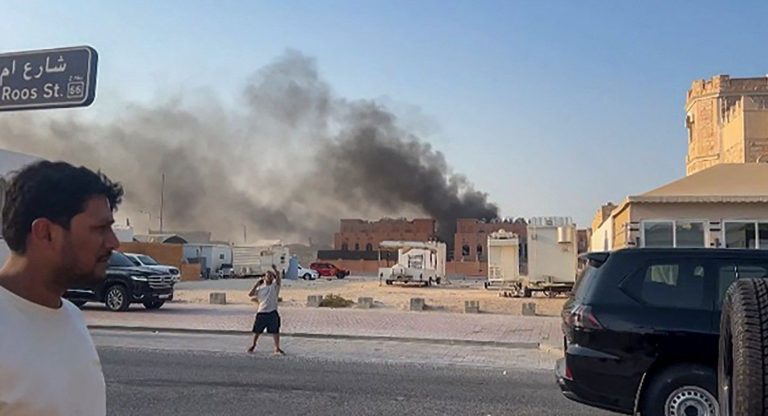
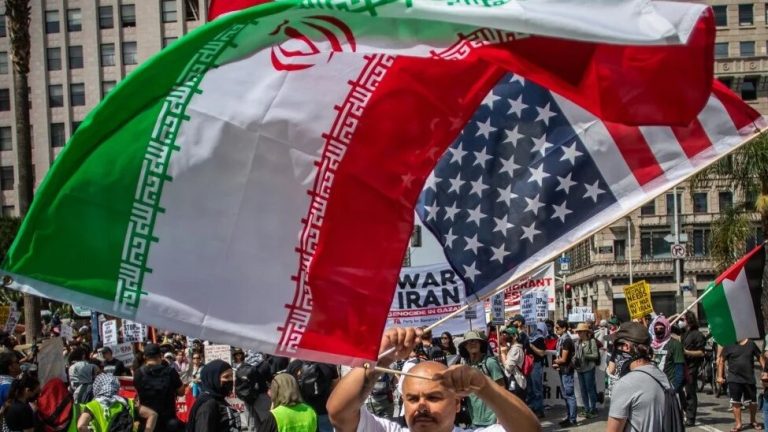
Read MoreThe Iran Strike: Regional Conflagration and Global Strategic Implications

Israel Attacks Qatar: Implications for US-Gulf Relations:

Israel’s airstrike on Hamas leaders in Doha has shaken US–Gulf relations, undermining Washington’s reputation as a reliable security guarantor. Gulf states now view the US as prioritizing Israel over their sovereignty, prompting calls for greater self-sufficiency and alternative security arrangements. Qatar’s suspension of mediation efforts and backlash against the Abraham Accords signal potential diplomatic fallout. Unless Washington reins in Israeli overreach, it risks losing influence, weakening regional partnerships, and ceding ground to rival powers such as China or Russia.

Read MoreIsrael Attacks Qatar: Implications for US-Gulf Relations:

After The Strike: Why Trump’s Ceasefire Isn’t the Endgame 

President Trump’s strike on Iran’s nuclear facilities, followed by a surprise ceasefire, has jolted the global order—but it’s not the endgame. This is a high-stakes pause, not peace. The real test lies in converting military leverage into a lasting strategic framework. For Africa and the Global South, the episode signals a shift in U.S. power projection—swift, forceful, then restrained. If not followed by coherent diplomacy, it risks becoming just another spark in a volatile world.

Read MoreAfter The Strike: Why Trump’s Ceasefire Isn’t the Endgame 

To Intervene or not to Intervene – Consequences of a US Entry into the Iran-Israel Conflict

A U.S. intervention in the escalating Iran-Israel conflict risks igniting a broader regional war, straining ties with Gulf allies, and triggering domestic political backlash. As military assets mobilize and tensions rise, Washington stands at a crossroads: defend its strategic partner or uphold a doctrine of restraint. With public opinion divided and regional stability on the line, the costs of action may far outweigh the benefits. Diplomacy may be the only viable path forward.

Read MoreTo Intervene or not to Intervene – Consequences of a US Entry into the Iran-Israel Conflict

Will Russia, Türkiye and China Back Iran?

As tensions escalate between Israel and Iran, Russia, Türkiye, and China face a critical test. Though all three condemn Israel’s strikes, none have offered military backing to Iran. Their strategic caution risks rendering their influence meaningless. A multilateral de-escalation strategy—through Astana Plus, BRICS diplomacy, and reconstruction planning—offers a peaceful path forward. The moment demands more than words; it demands coordinated action to avert a regional catastrophe.

Read MoreWill Russia, Türkiye and China Back Iran?

Starving Gaza: Aid Chaos Erupts as Crisis Deepens Under Israeli Blockade

Gaza is on the brink of famine, with over a million people facing starvation under an 11-week Israeli blockade. Aid efforts have collapsed, and new initiatives like the U.S.-backed Gaza Humanitarian Foundation face criticism for being politicised and ineffective. As desperation grows, international agencies warn of total healthcare system failure. Without urgent UN-led intervention and the reopening of border crossings, Gaza’s humanitarian crisis will spiral into a full-blown catastrophe.

Read MoreStarving Gaza: Aid Chaos Erupts as Crisis Deepens Under Israeli Blockade