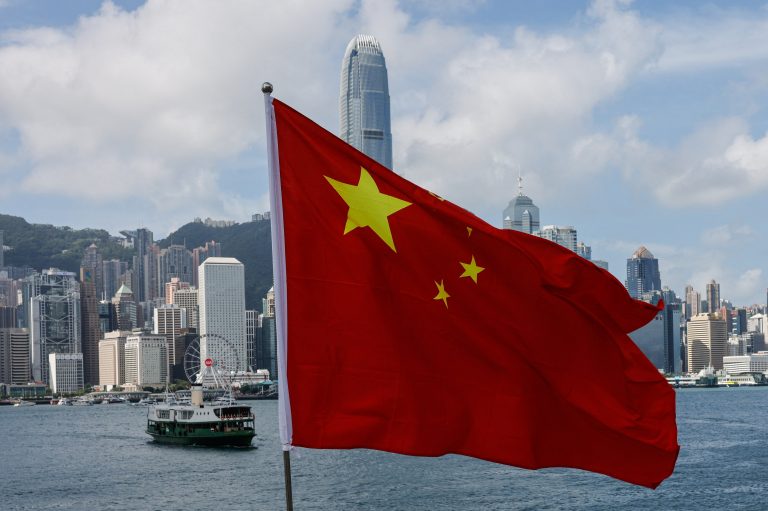
China’s Domination in Green Technology

China has emerged as the dominant force in global green technology, investing $625 billion in clean energy in 2024 and producing the vast majority of the world’s solar modules and wind turbines. With companies like BYD leading the electric vehicle market, the sector now drives over 11% of China’s GDP. Despite this progress, heavy coal reliance sustains high emissions. China’s scale and affordability in clean tech are reshaping global energy systems and accelerating electrification, particularly across emerging economies.


Read MoreChina’s Domination in Green Technology

Global Order Under Strain: The Major Foreign-Policy Shocks of 2025

2025 exposed a global order under strain, defined less by decisive realignments than by accumulating shocks. U.S.–China economic confrontation became visibly symmetric, conflict mediation in Ukraine and the Middle East lost credibility, and regional actors assumed security roles once held by global powers. Trade routes, supply chains, and deterrence norms all proved fragile. The year underscored a central reality: major powers retain ambition, but their ability to enforce outcomes is increasingly constrained, producing a more volatile and contested international system.

Read MoreGlobal Order Under Strain: The Major Foreign-Policy Shocks of 2025

2030 Climate Targets: What an EU Aviation Tax would mean for Europe

Europe is weighing a decisive move on climate: taxing aviation fuel to align the sector with its 2030 and 2050 net-zero targets. Long exempt from energy taxation, airlines face higher costs, reduced demand, and fare hikes under the proposed Energy Taxation Directive reform. Yet revenues—estimated at €9.5 billion annually—could be reinvested in green aviation technologies. Beyond economics, the measure would cut emissions, reinforce the EU’s climate leadership, and set a precedent in global industrial and environmental policy.

Read More2030 Climate Targets: What an EU Aviation Tax would mean for Europe